 🏰 History & heritage
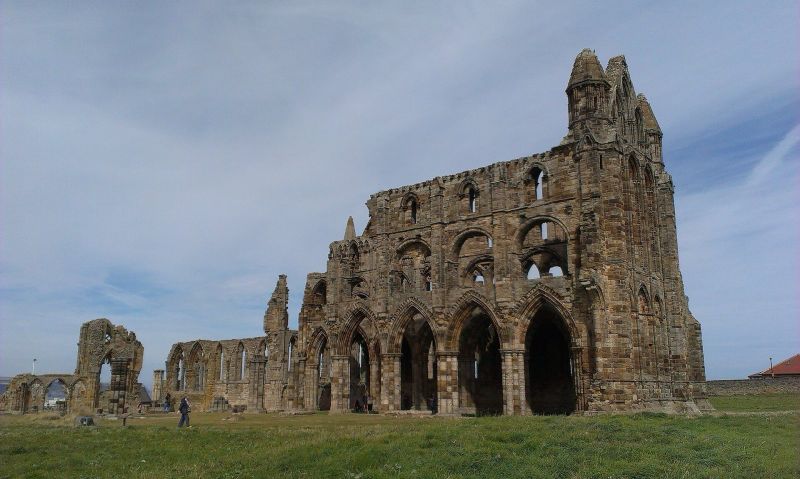
Whitby Abbey
Dramatic Gothic ruin on the East Cliff that inspired Bram Stoker's Dracula.

Abbeys and castles, waterfalls and beaches, steam trains and stargazing. Pick a category or browse the lot.
🏰 History & heritage
Dramatic Gothic ruin on the East Cliff that inspired Bram Stoker's Dracula.
 🏰 History & heritage
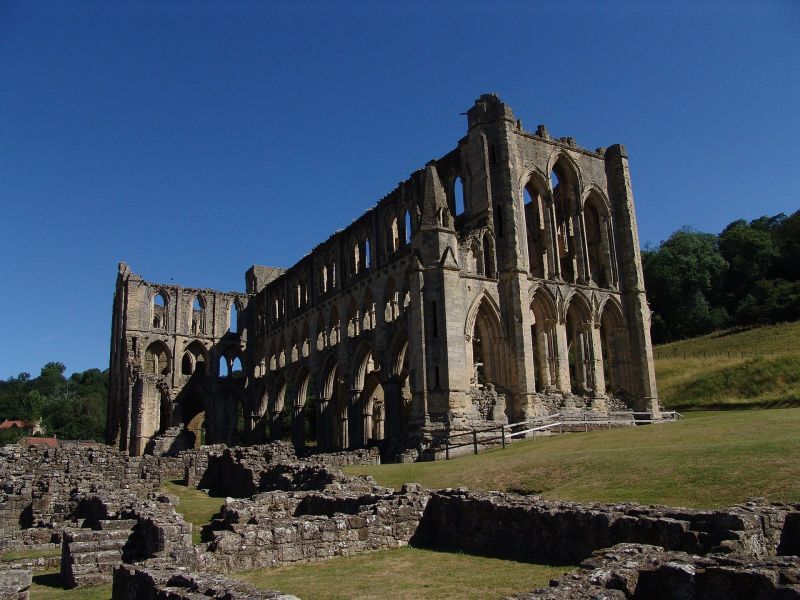
One of the most complete and beautiful Cistercian abbeys in England, in a wooded valley near Helmsley.
 🎈 Family days out
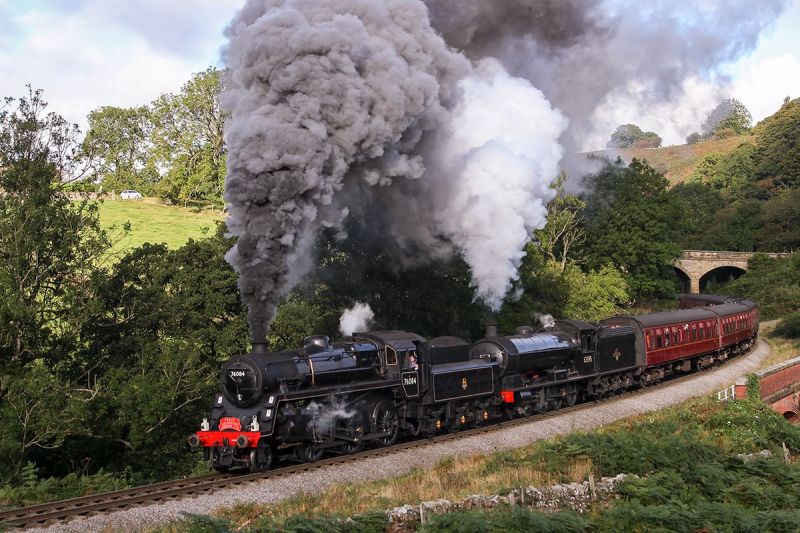
Eighteen miles of heritage steam railway from Pickering through Newton Dale to Grosmont and Whitby.
 🌿 Moors & nature
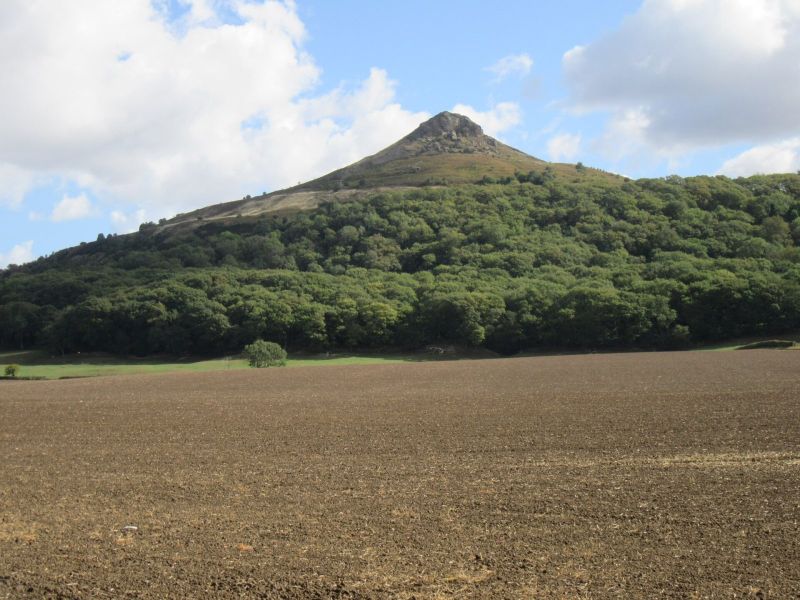
The distinctive mini-Matterhorn peak on the northern edge of the moors, with huge views for a short climb.
 🌿 Moors & nature
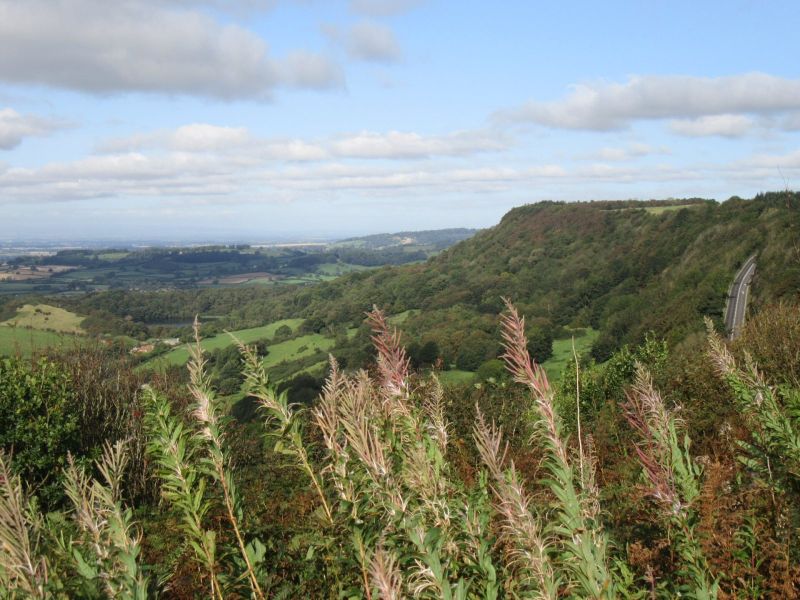
James Herriot called this the finest view in England. Easy walks, cycle hire and a cafe on the escarpment edge.
 🌿 Moors & nature
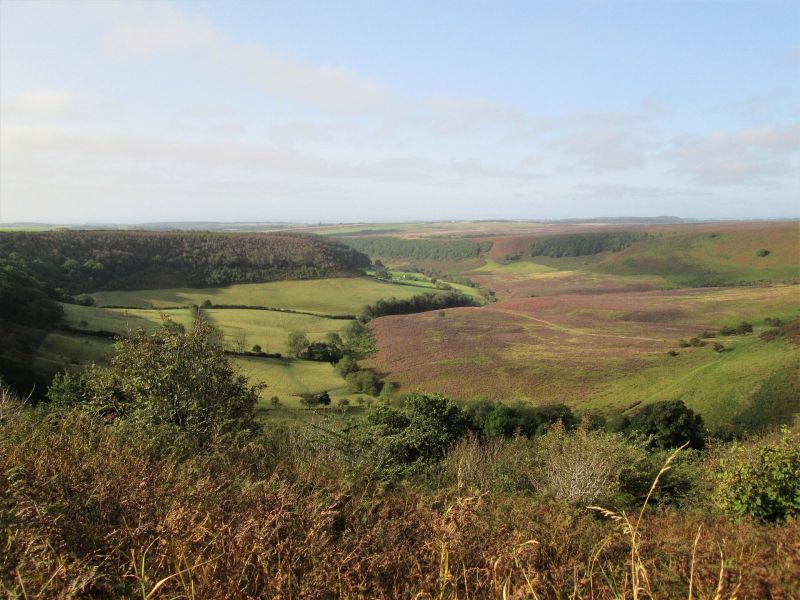
A vast natural amphitheatre in the moors, said to have been scooped out by the giant Wade.
 🚵 Active & outdoors
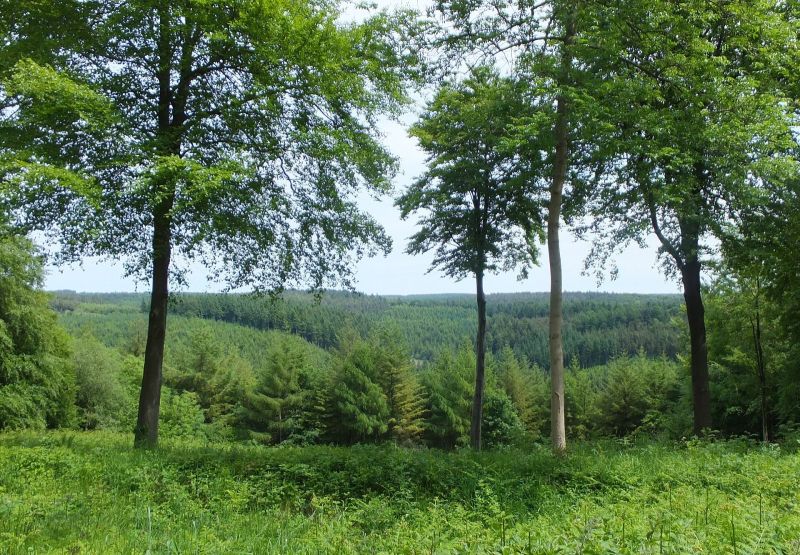
Forestry England's flagship forest with mountain bike trails, Go Ape, a visitor centre and dark skies.
 🏰 History & heritage
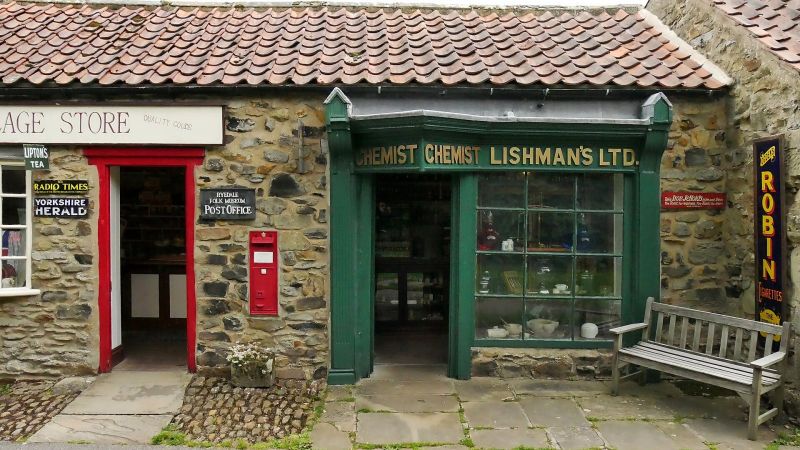
Open-air museum of rescued moorland buildings: cottages, workshops, a chapel and a Victorian shop.
 🌿 Moors & nature
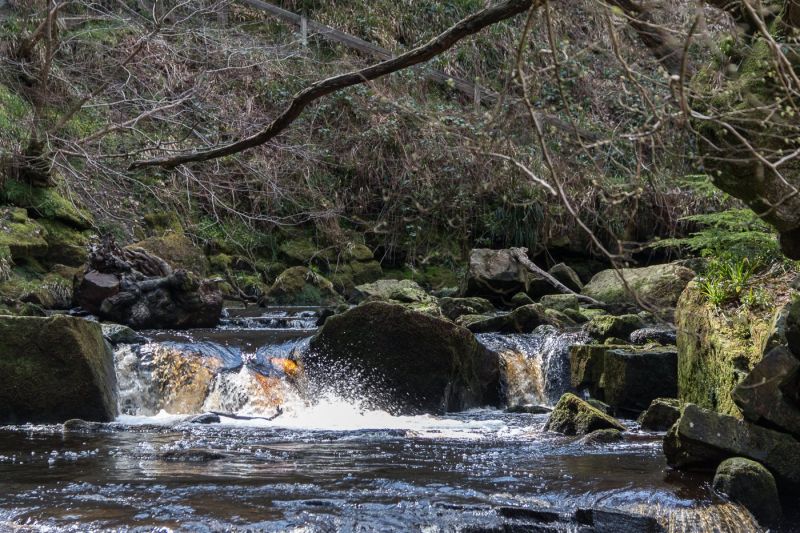
The highest waterfall in the National Park, a 20-minute walk from Goathland through a wooded gorge.
 🌿 Moors & nature
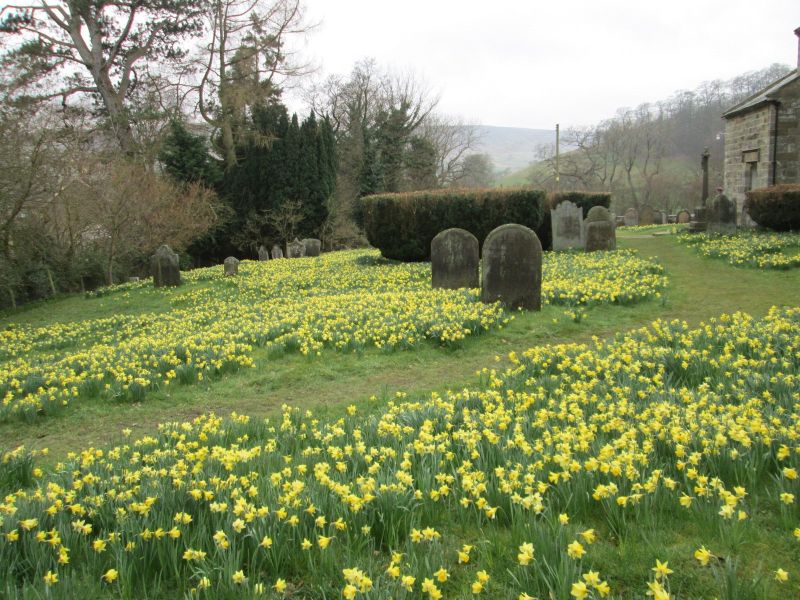
Every spring the banks of the River Dove fill with wild daffodils for a mile and a half.
 🌊 Coast
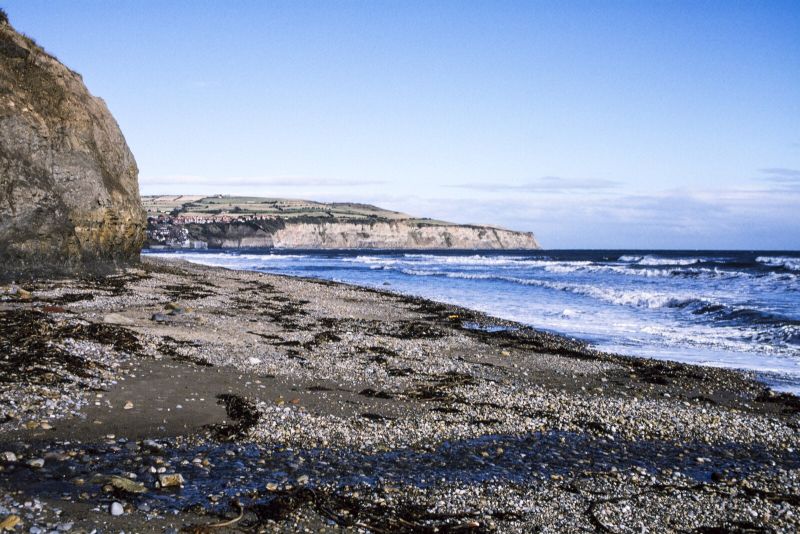
Rock pools, ammonites and the widest scar on the coast at low tide.
 🏰 History & heritage
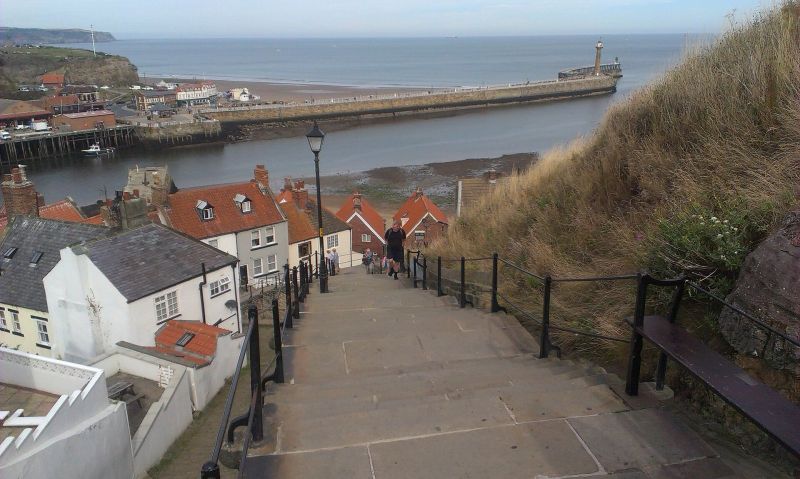
Whitby's famous stairway from the old town to the church and abbey on the East Cliff.
 🌊 Coast
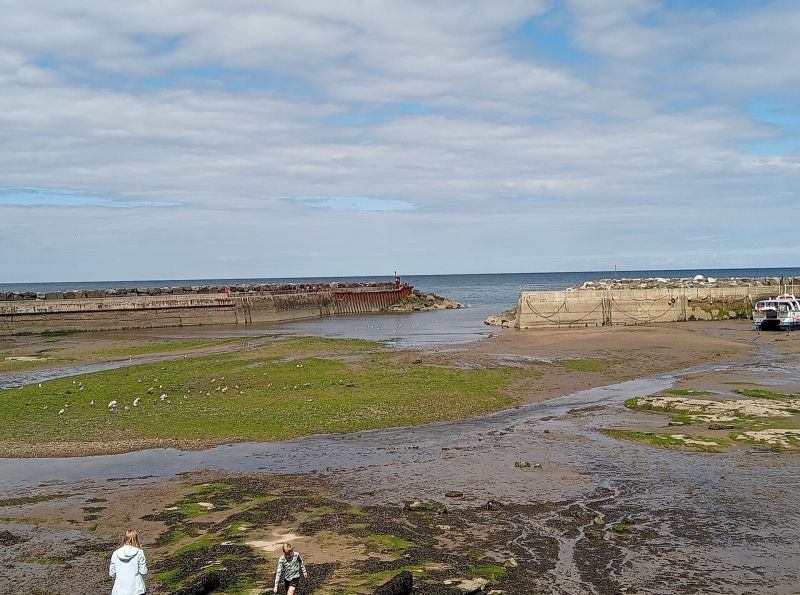
Tiny harbour, fossil beach and the Cleveland Way clifftop path.
 🏰 History & heritage
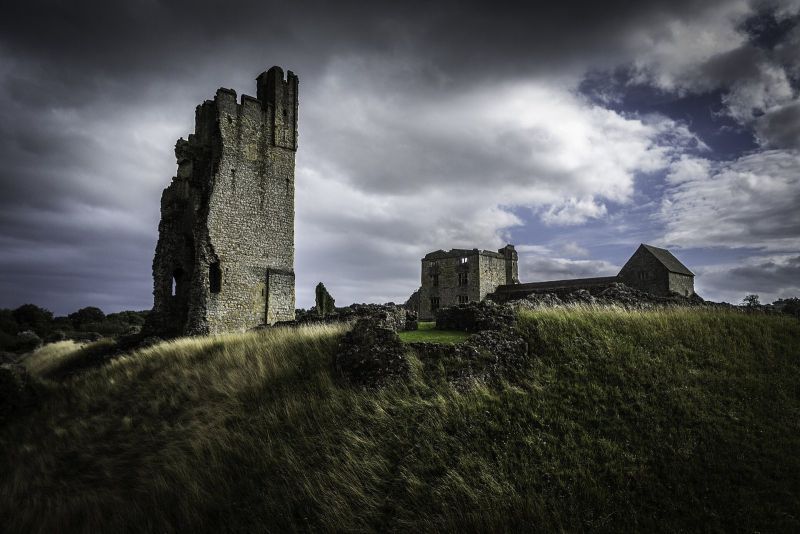
Medieval castle with a shattered keep, Tudor mansion and Civil War history in the middle of the town.
 🏰 History & heritage
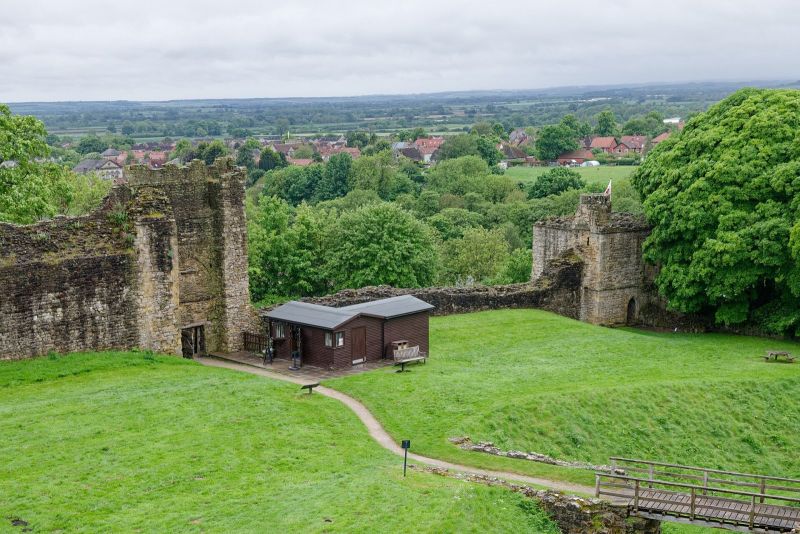
Well-preserved motte-and-bailey castle used by medieval kings as a hunting lodge.
 🏰 History & heritage
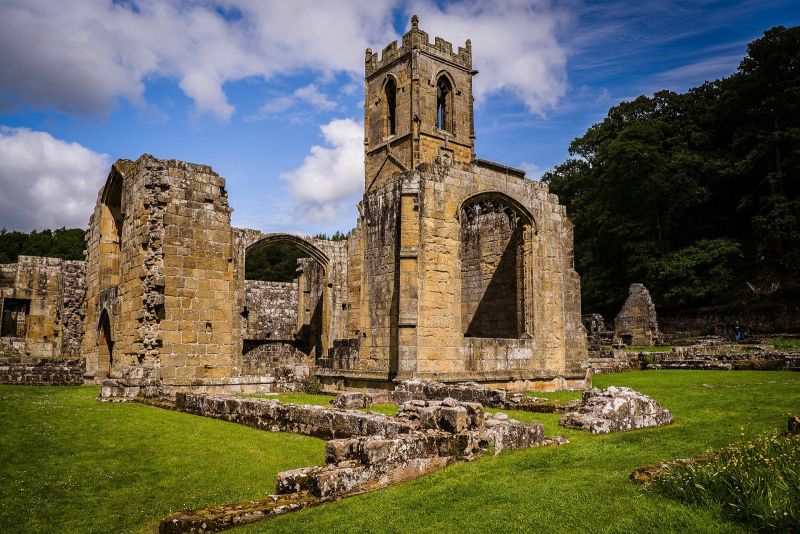
The best-preserved Carthusian monastery in England, with a reconstructed monk's cell and Arts and Crafts gardens.
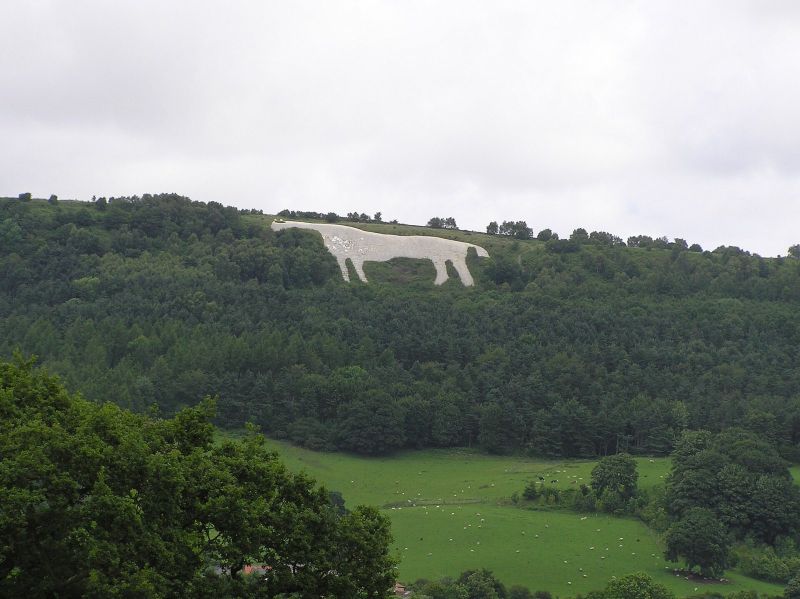 🏰 History & heritage
Yorkshire's hill figure, cut in 1857 and visible from the A1 on a clear day.
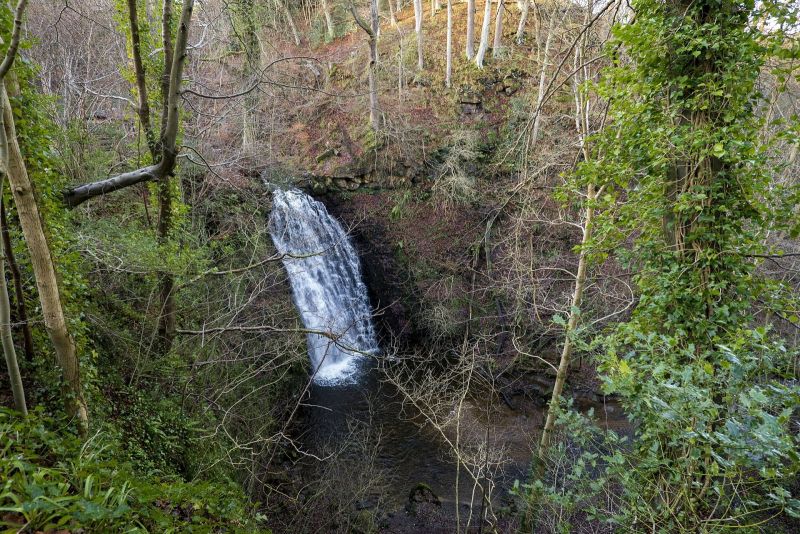 🌿 Moors & nature
Woodland waterfall with a tea garden beside it and a cave hermitage carved from a boulder.
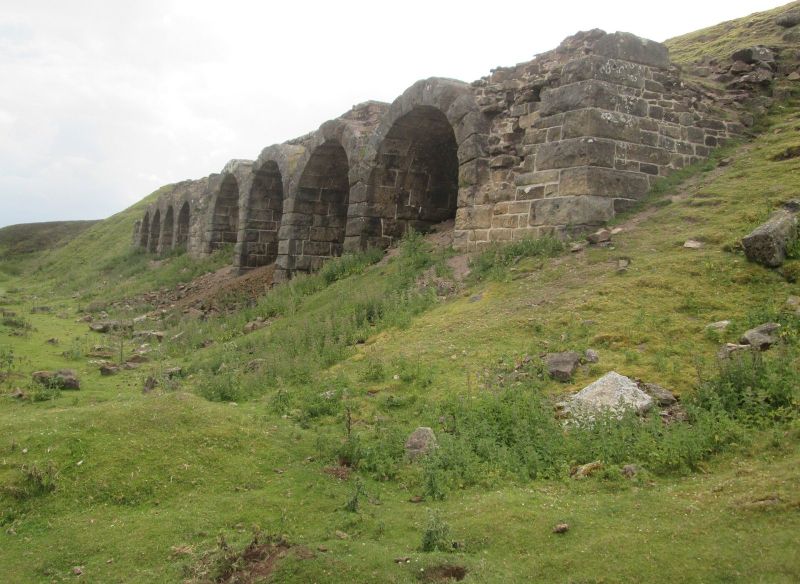 🏰 History & heritage
Industrial ruins along a level railway trackbed high above Rosedale, now one of the finest walks on the moors.
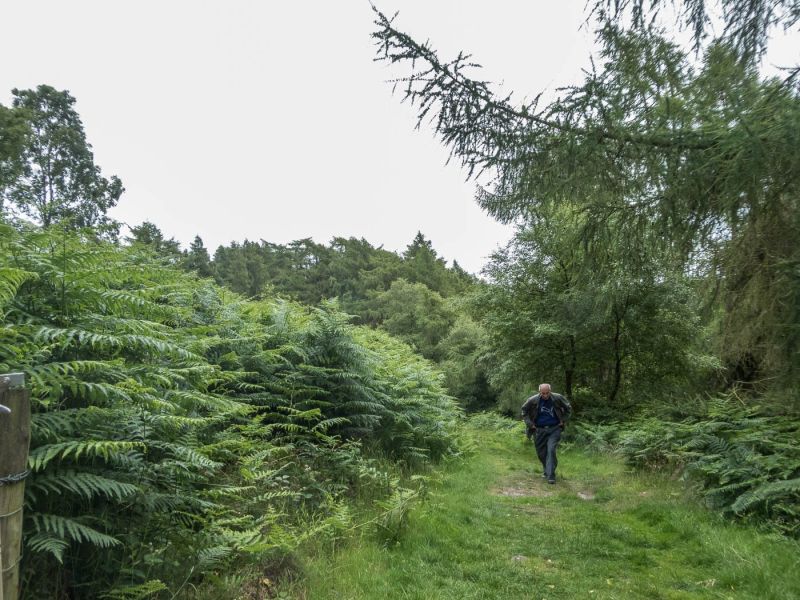 🌿 Moors & nature
Weathered sandstone stacks on a heather ridge inside Dalby Forest.
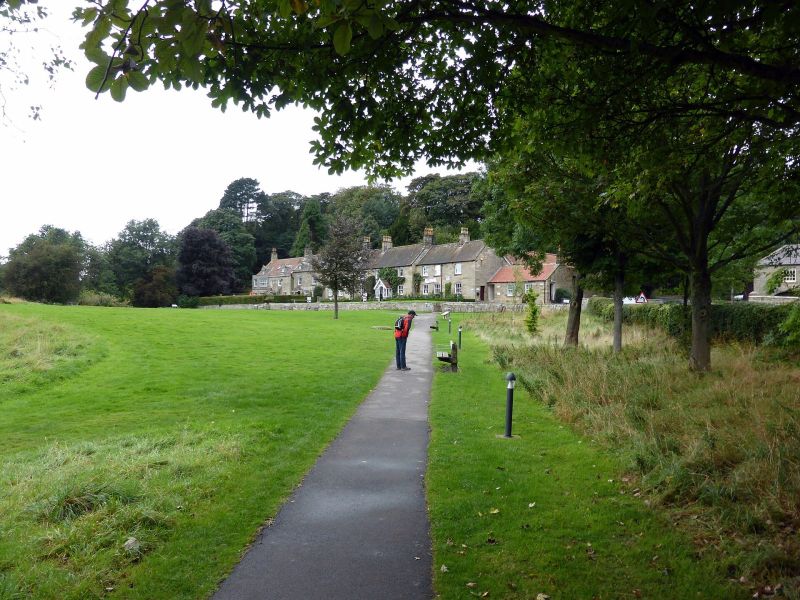 🎈 Family days out
National Park visitor centre in the Esk Valley with exhibitions, gallery, cafe, play area and riverside walks.
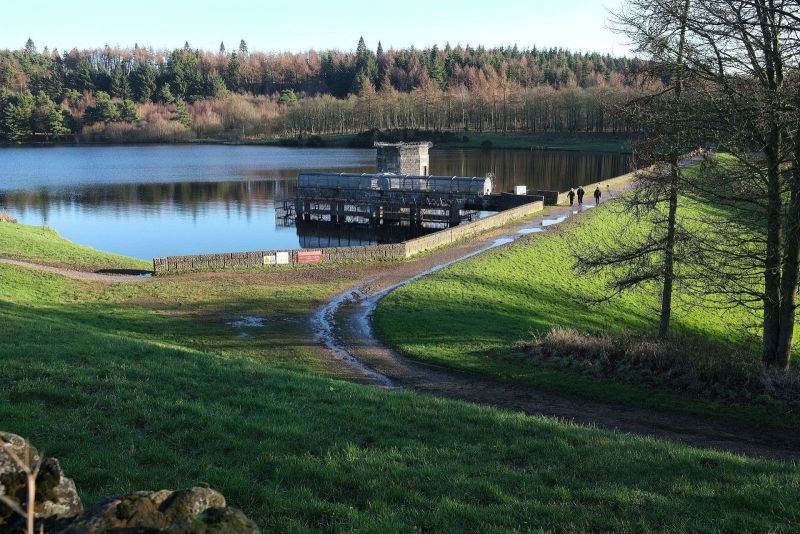 🌿 Moors & nature
Pine-fringed reservoir with a level path all the way round, a mile from Osmotherley.
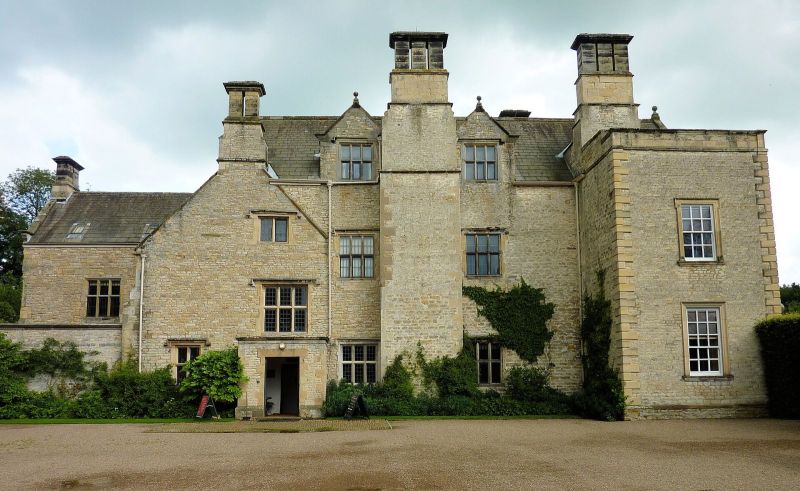 🏰 History & heritage
Sheltered manor house on the River Rye with walled gardens, peacocks and the Carlisle collection of miniature rooms.
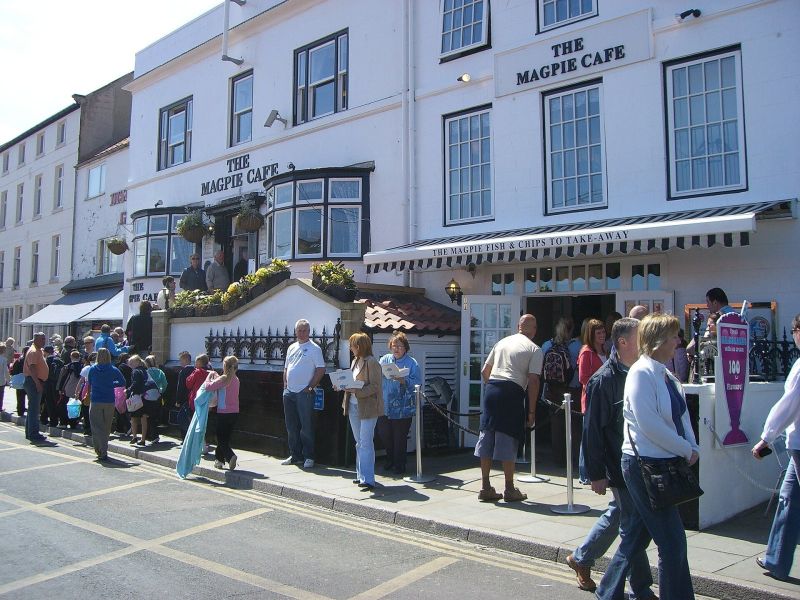 🍽️ Food & drink
Whitby claims the best fish and chips in Britain, and the queues on Pier Road suggest it might be right.
 🍽️ Food & drink
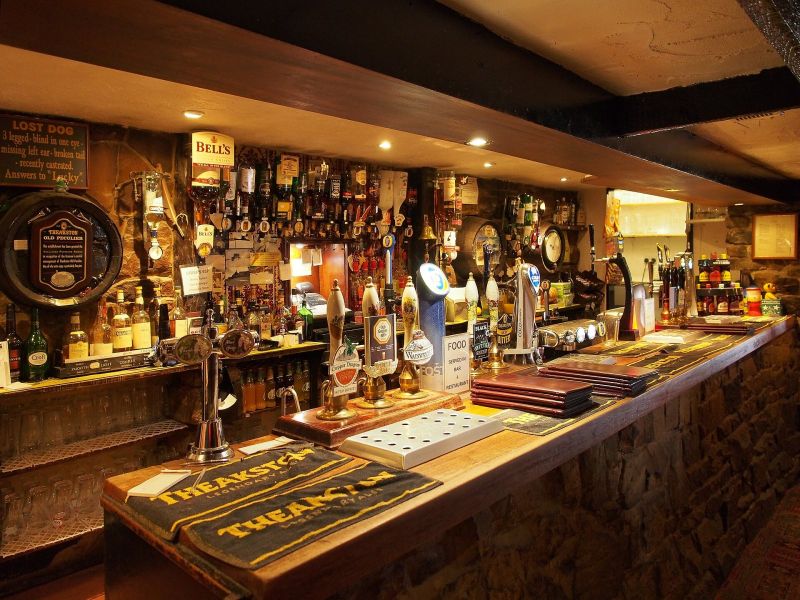
Sixteenth-century pub at 400 metres on the ridge between Rosedale and Farndale, miles from anywhere.
 🌿 Moors & nature
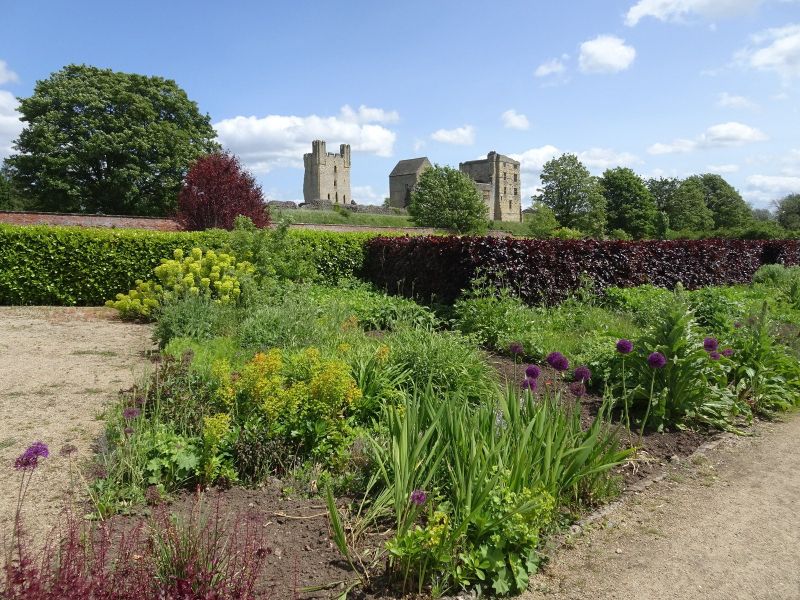
Five acres of restored Victorian walled garden beneath the castle, run as a charity with a vine house cafe.
 🌊 Coast
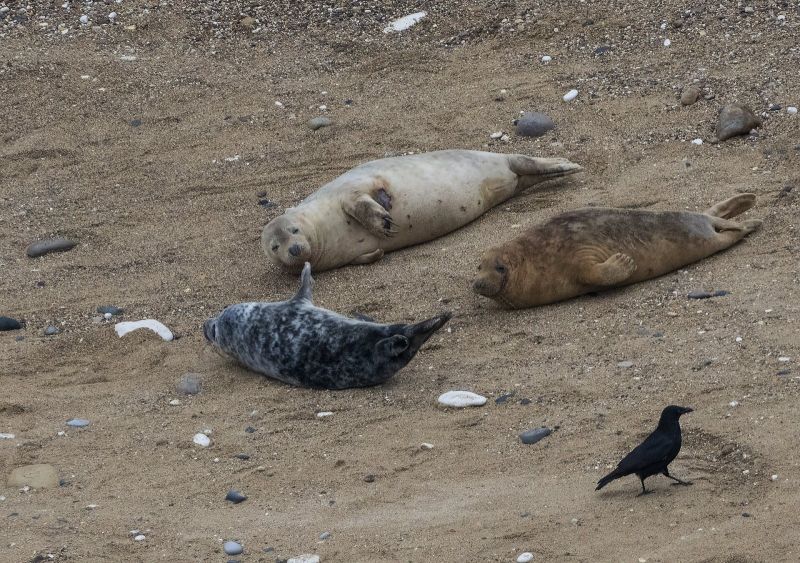
Grey seals haul out on the rocks below the old alum works and can be watched from the cliff path.
 🎈 Family days out
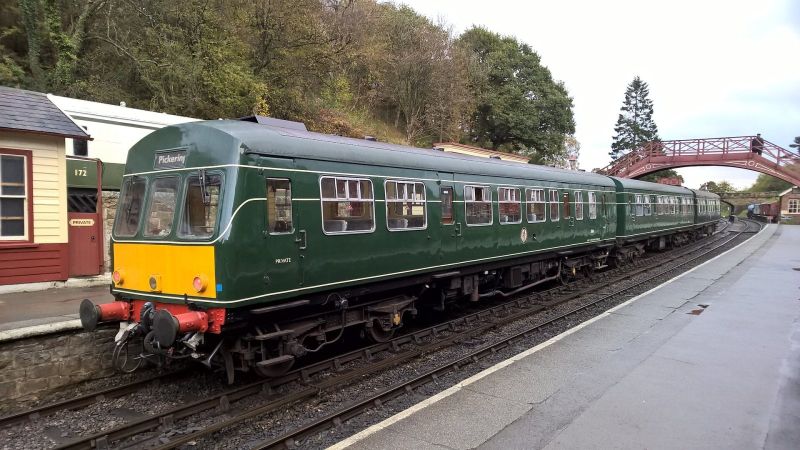
The Hogsmeade of the first Harry Potter film, and a Heartbeat location, on the North Yorkshire Moors Railway.
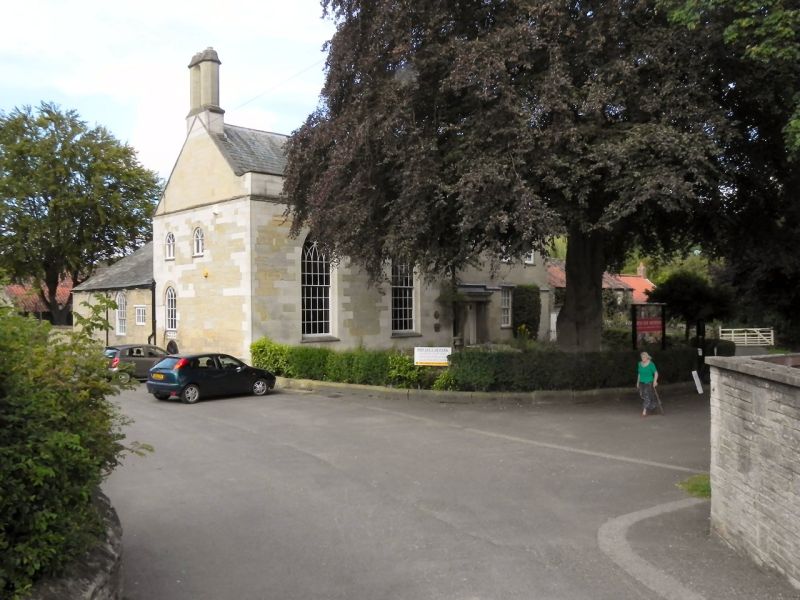 🏰 History & heritage
Museum of rural life in a Regency house beside Pickering Beck, with a reconstructed street of shops.
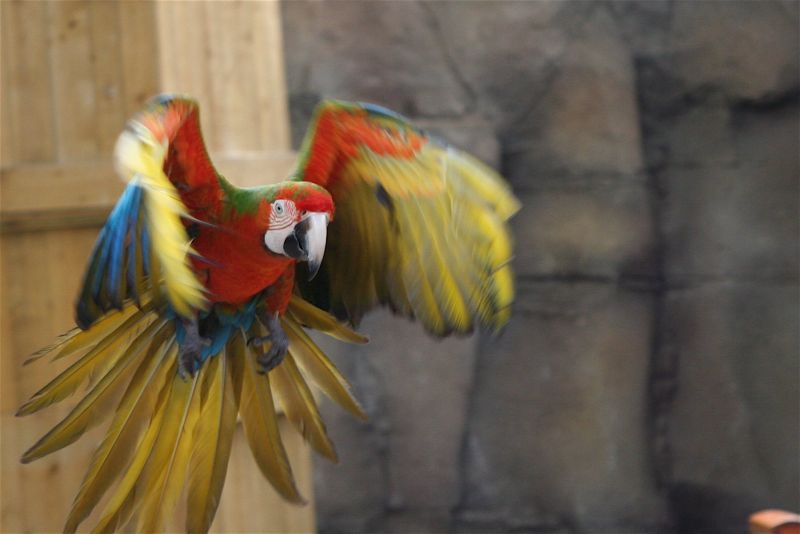 🎈 Family days out
Theme park and zoo on the edge of the moors near Pickering, with roller coasters and 140 animal species.
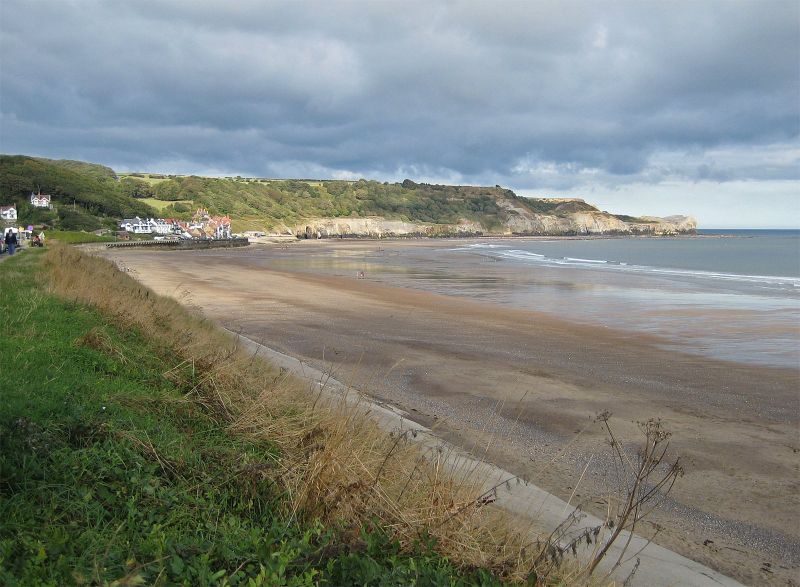 🌊 Coast
Three miles of sand from Whitby to Sandsend, with the best rock pools at the far end.
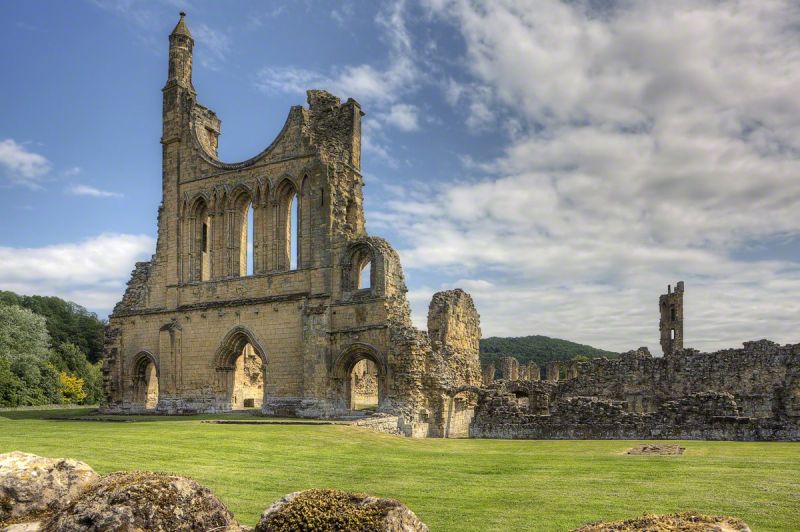 🏰 History & heritage
Vast Cistercian ruin with a great rose window, once one of the largest churches in Europe.
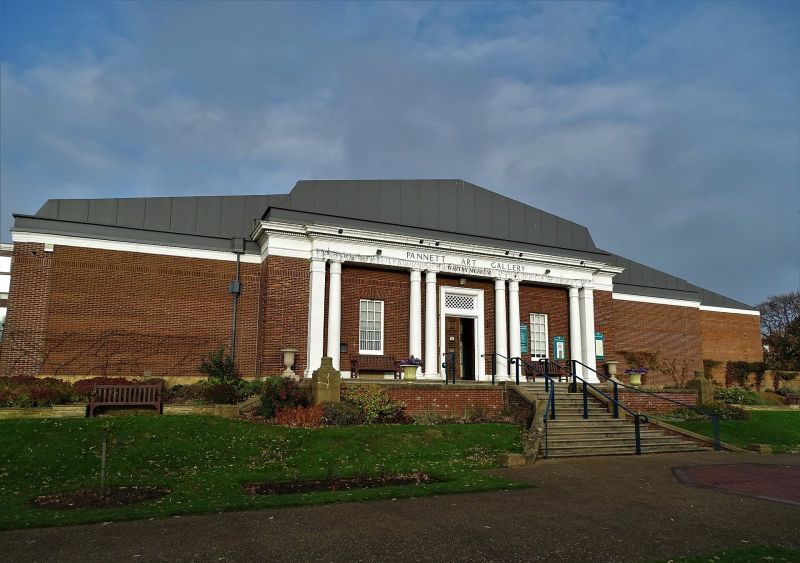 🏰 History & heritage
Wonderfully old-fashioned museum of fossils, ships, whaling and the Hand of Glory, in a park above the town.
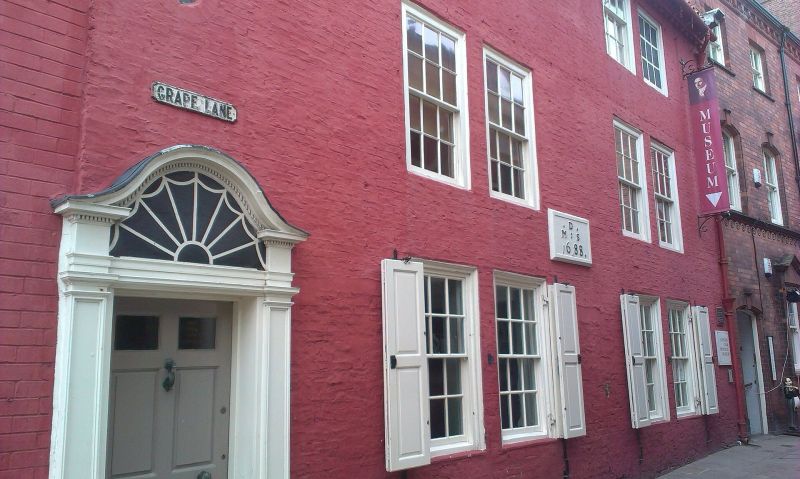 🏰 History & heritage
The house on Grape Lane where the young James Cook lodged as an apprentice, now a museum of his voyages.
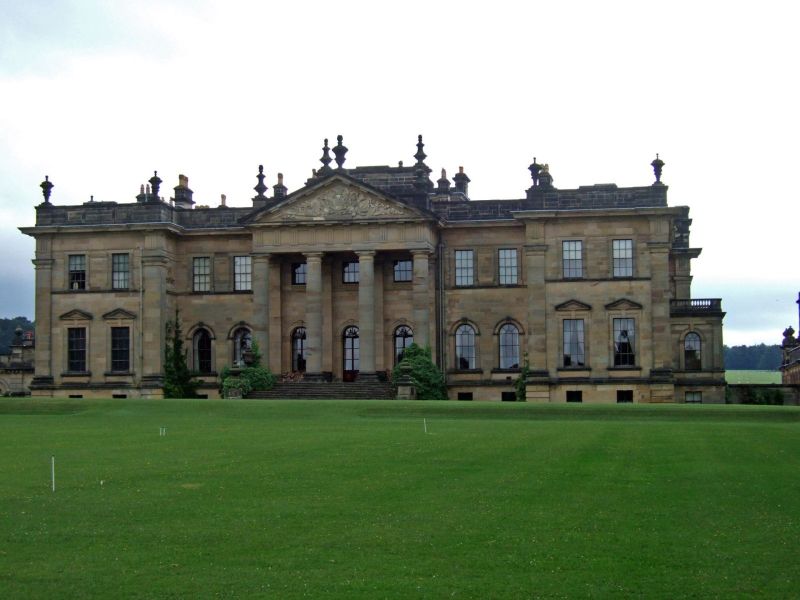 🏰 History & heritage
Baroque country house and parkland on the edge of Helmsley, with a National Nature Reserve of ancient trees.
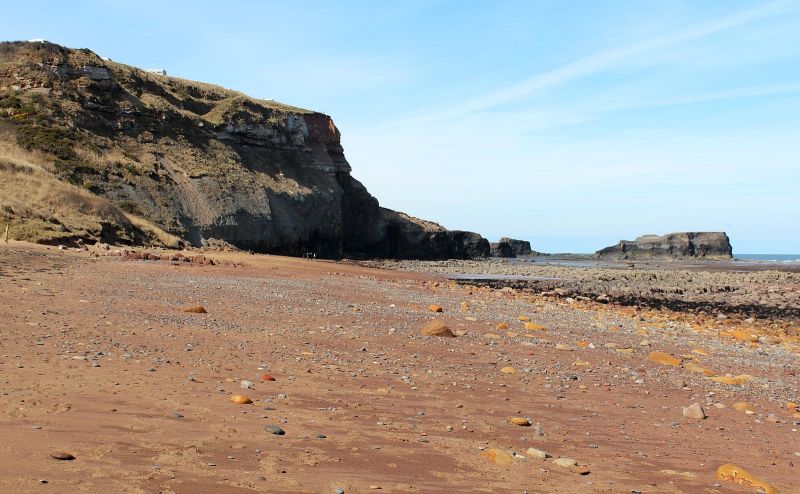 🌊 Coast
Dramatic little bay under the abbey cliffs with a shipwreck, sea stacks and fossils.
 🌊 Coast
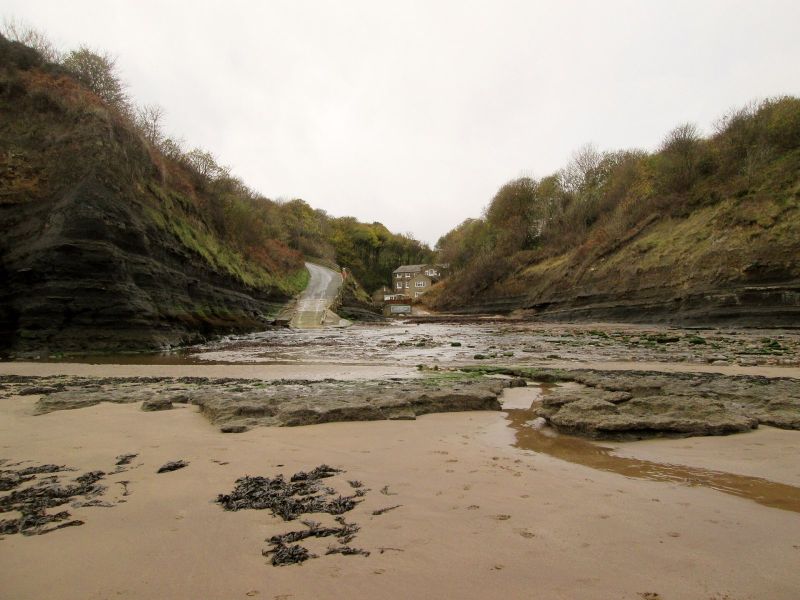
A smugglers' cove with a youth hostel in the old mill, a mile south of Robin Hood's Bay.
 🌿 Moors & nature
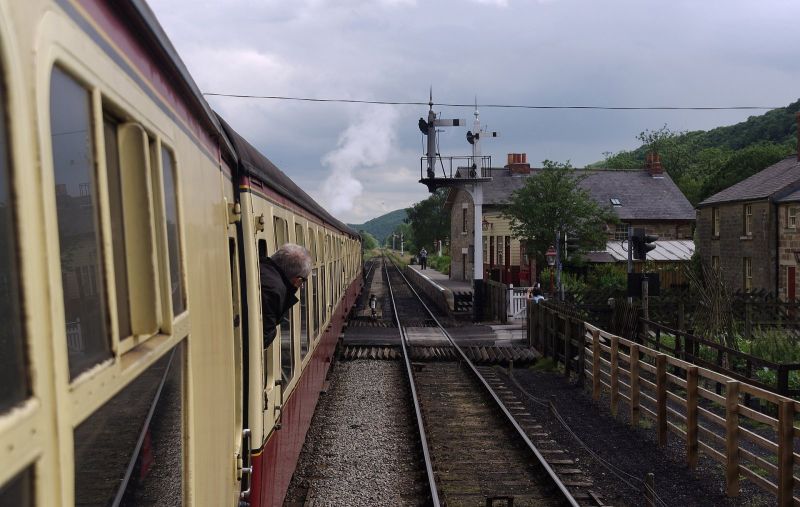
The remotest stop on the steam railway, at the bottom of a glacial gorge, with walks in every direction.
 🌿 Moors & nature
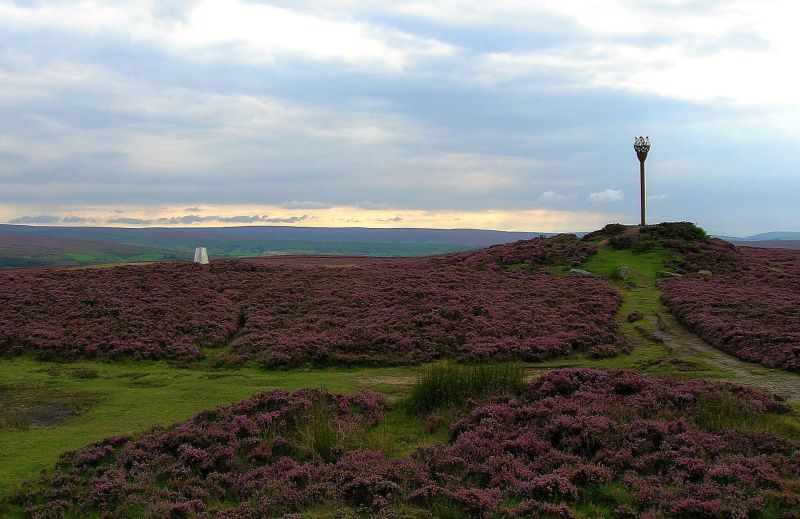
A moor-top viewpoint above the Esk Valley with a modern beacon and views to the coast.
 🍽️ Food & drink
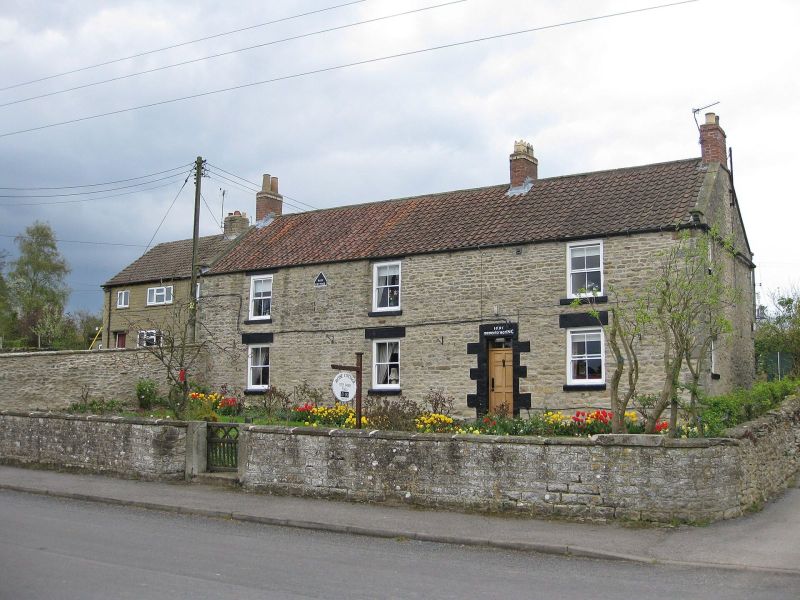
Village brewery behind the New Inn at Cropton, with tours, a tap room and a campsite.
 🍽️ Food & drink
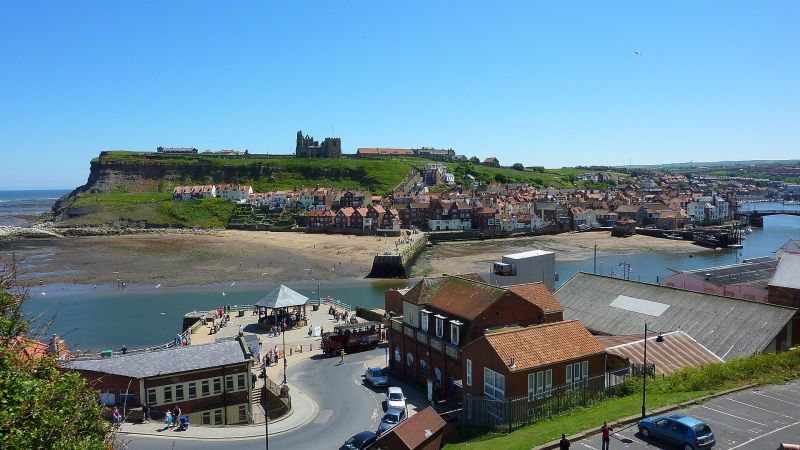
Microbrewery in the shadow of the abbey with a tap room, live music and a view over the harbour.
 🍽️ Food & drink
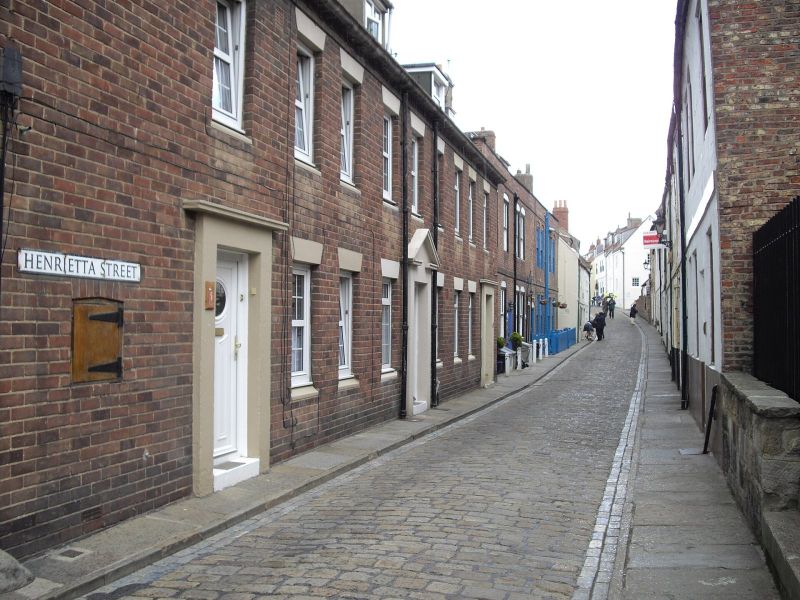
Whitby kippers smoked over oak in the same Henrietta Street smokehouse since 1872.
 🚵 Active & outdoors
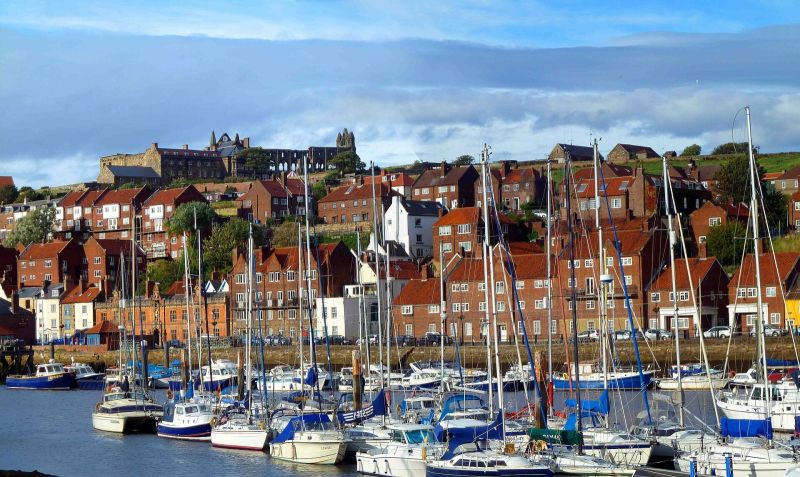
Short harbour cruises, coastal trips beneath the abbey cliffs, sea fishing and whale watching.
 🚵 Active & outdoors
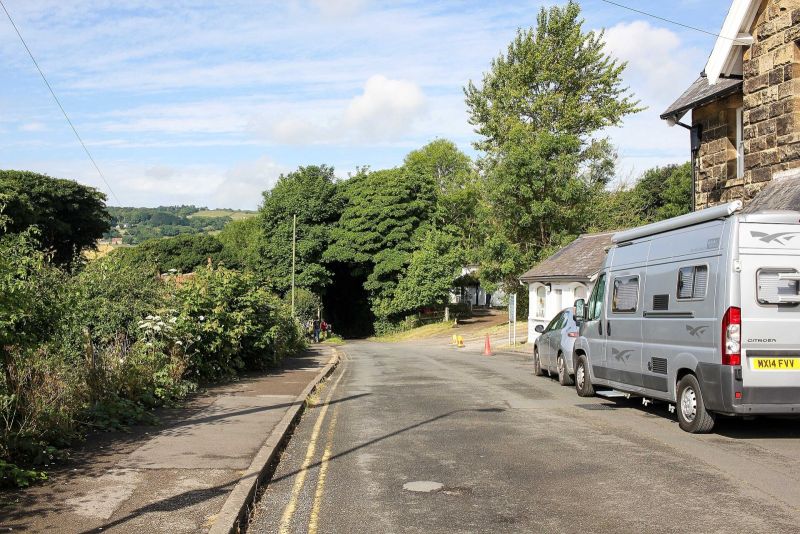
The old Scarborough to Whitby railway, now a 21-mile traffic-free trail for walking and cycling.
 🏰 History & heritage
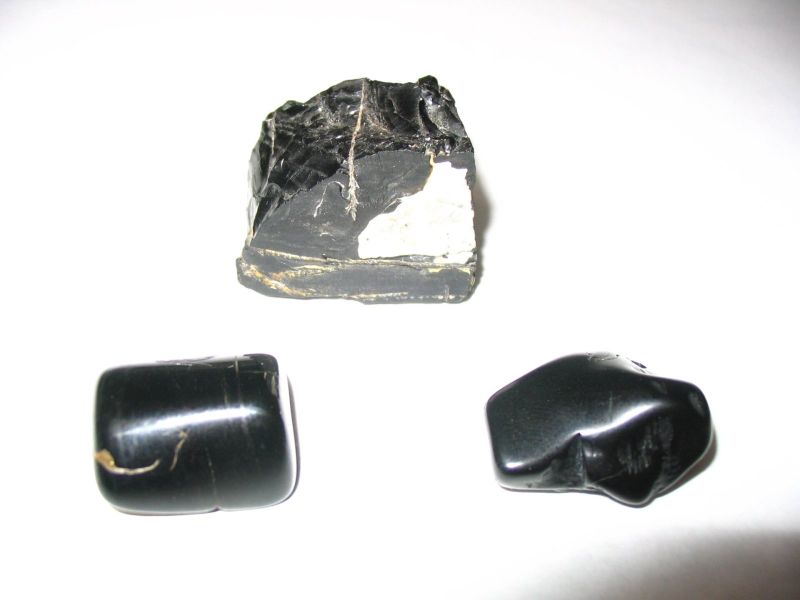
The black gemstone of Whitby, carved here since the Bronze Age and made famous by Queen Victoria.
 🚵 Active & outdoors
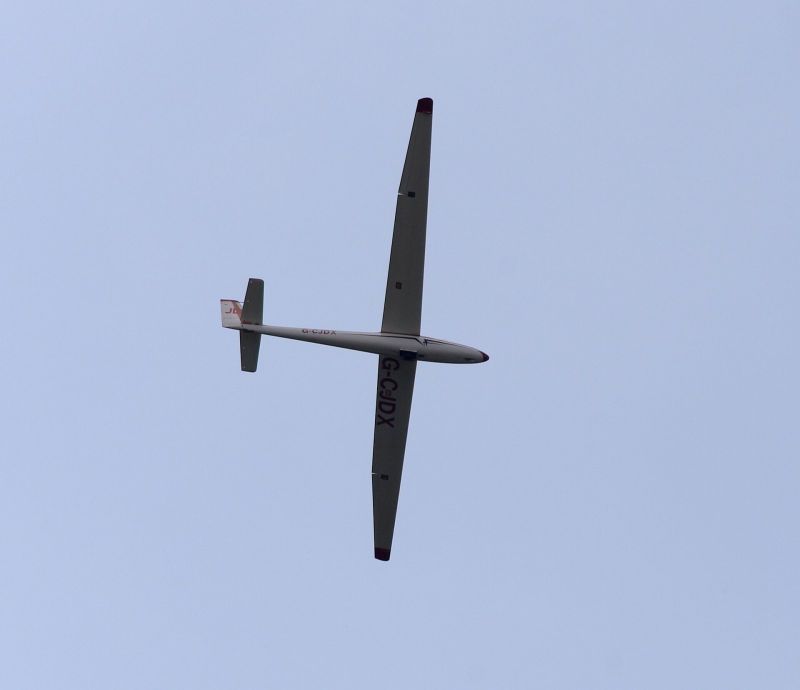
Trial gliding flights launched from the edge of Sutton Bank, riding the ridge lift above the Vale of York.
 🎈 Family days out
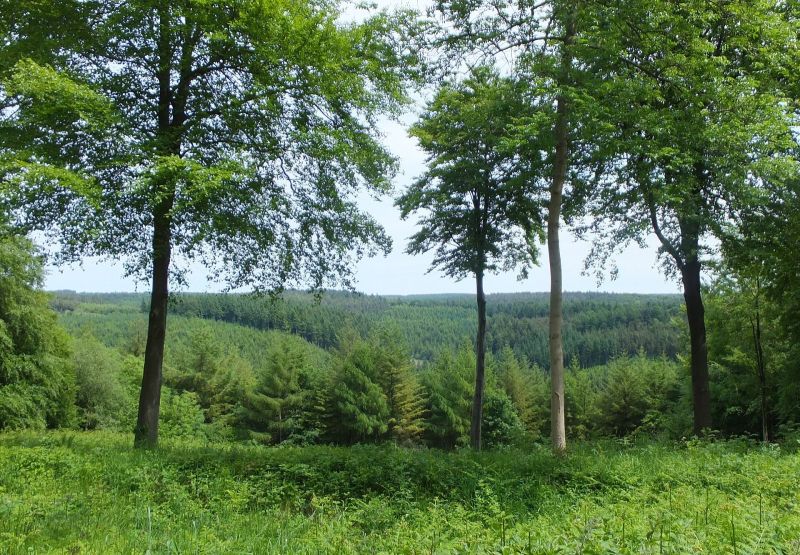
Treetop ropes course and zip wires among the pines, plus forest Segway trails.
 🚵 Active & outdoors
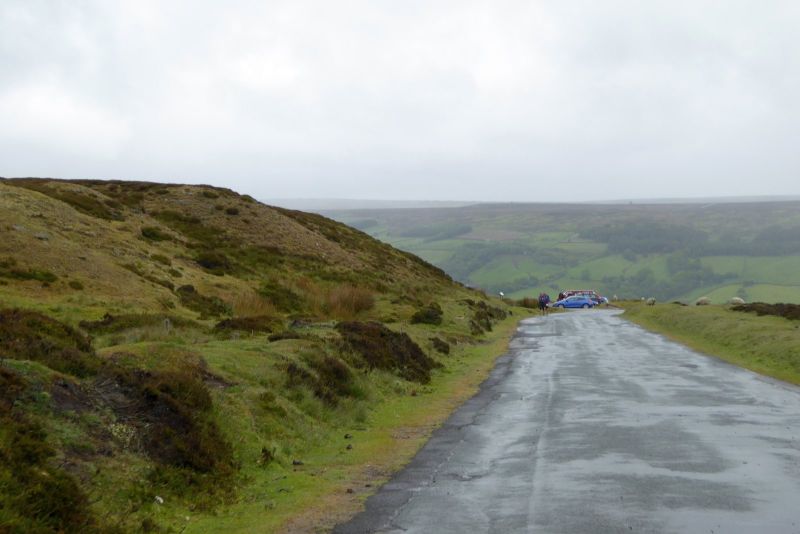
One of the steepest roads in England, 1 in 3 at its worst, and a legendary climb for cyclists.
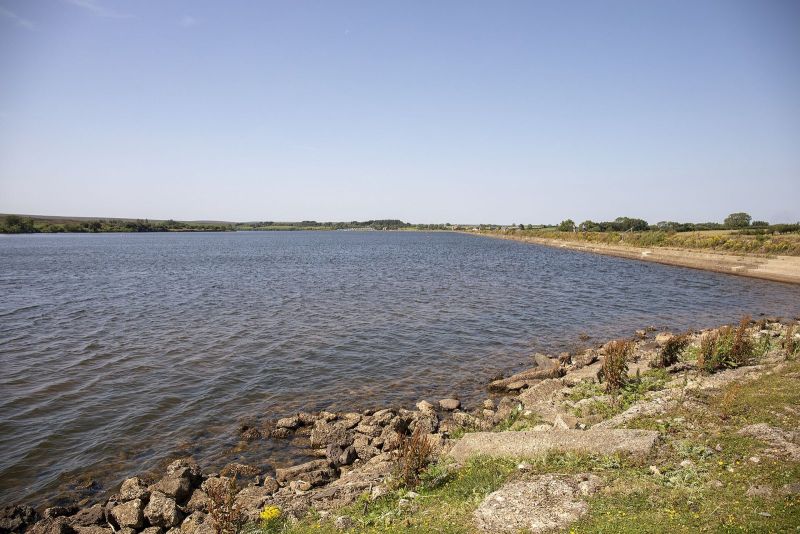 🌿 Moors & nature
Reservoir on the northern edge of the moors with a sailing club, nature reserve and easy lakeside path.
 🏰 History & heritage
Working Benedictine monastery with a visitor centre, tea room, orchard and cider made by the monks.
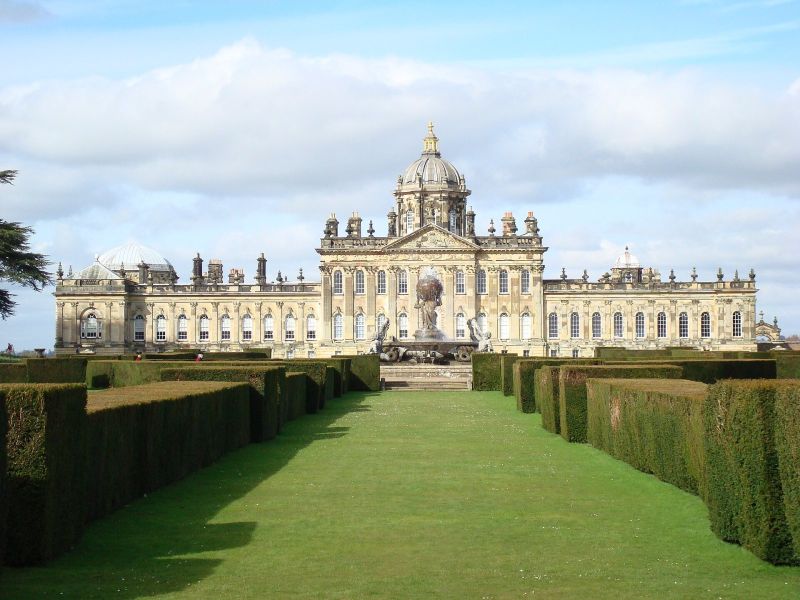 🏰 History & heritage
One of the grandest houses in England, in 1,000 acres of parkland fifteen minutes from the moors.
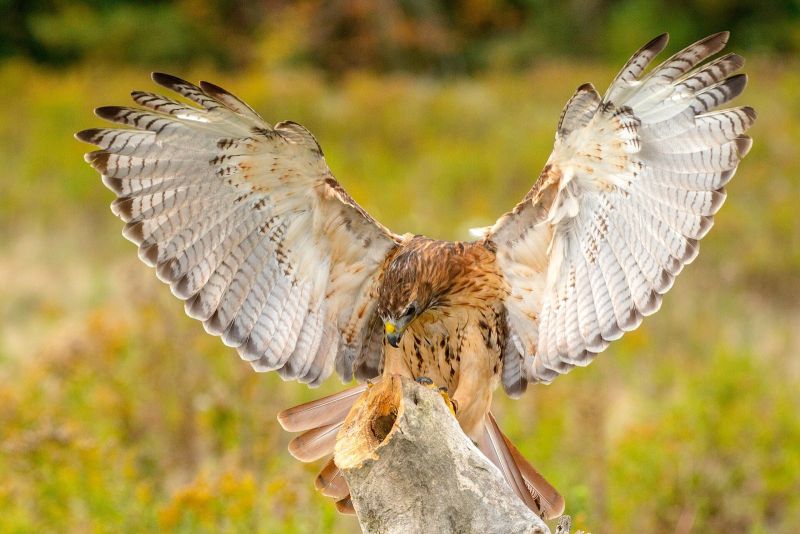 🎈 Family days out
Eagles, owls, vultures and falcons flown daily in the grounds of Duncombe Park.
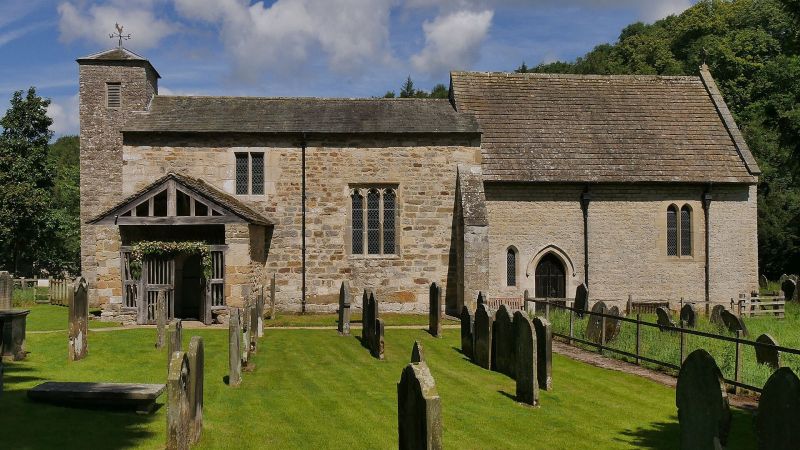 🏰 History & heritage
A Saxon church with the finest pre-Conquest sundial in England, beside a cave full of Ice Age hyenas.
 🏰 History & heritage
Four Roman military earthworks on the moor edge north of Pickering, with a waymarked trail.
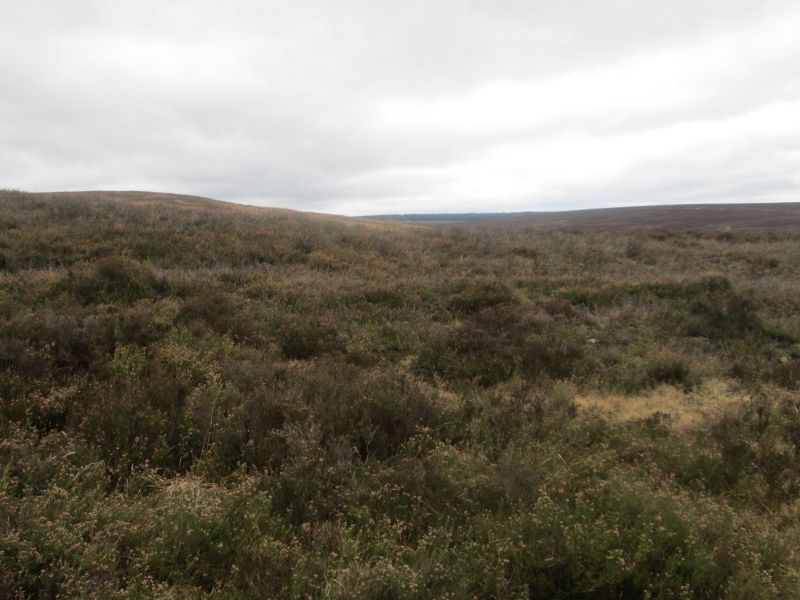 🏰 History & heritage
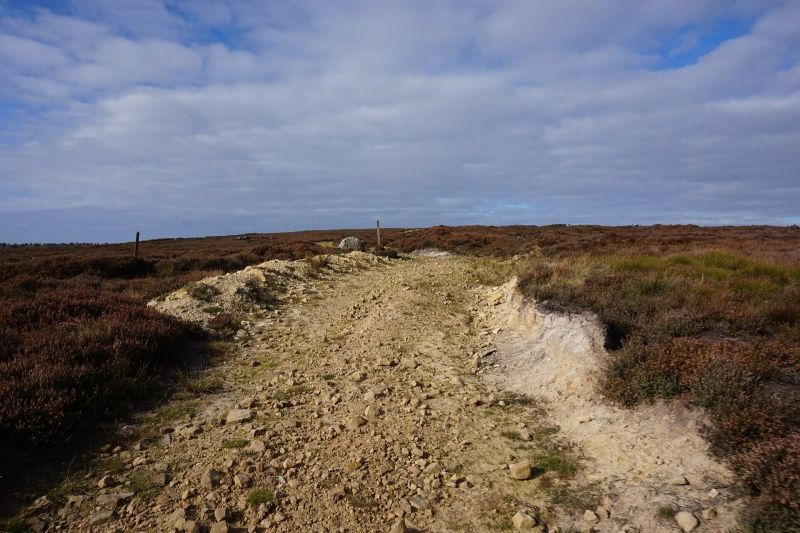
A mile of ancient paved trackway across the moor, long thought Roman, now a pleasing mystery.
 🏰 History & heritage
The oldest Christian monument on the moors, marking where a thane died saving King Edwin in 626.
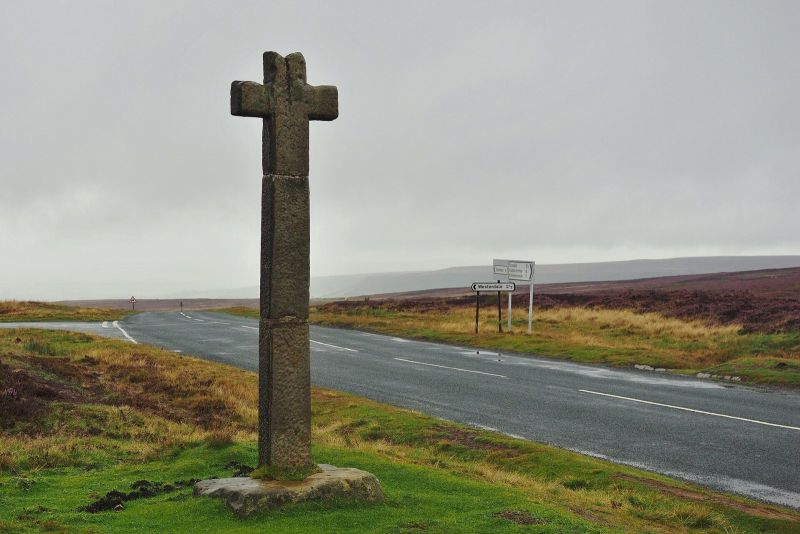 🌿 Moors & nature
Two medieval waymarkers at the top of the moors, one the emblem of the National Park.
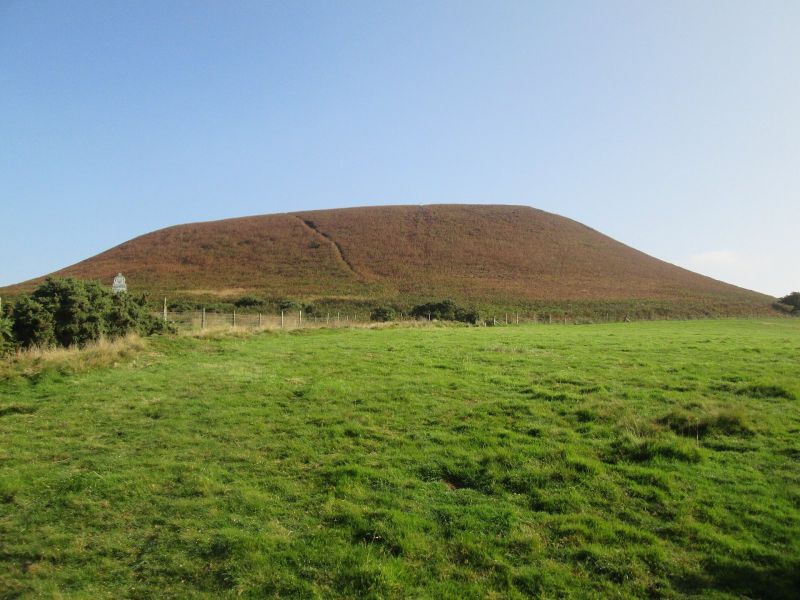 🌿 Moors & nature
A conical hill dropped by the giant Wade, ringed by standing stones and views into the Hole of Horcum.
 🌿 Moors & nature
A hidden waterfall in a wooded gorge below Beck Hole, a short scramble from the pub.
 🌊 Coast
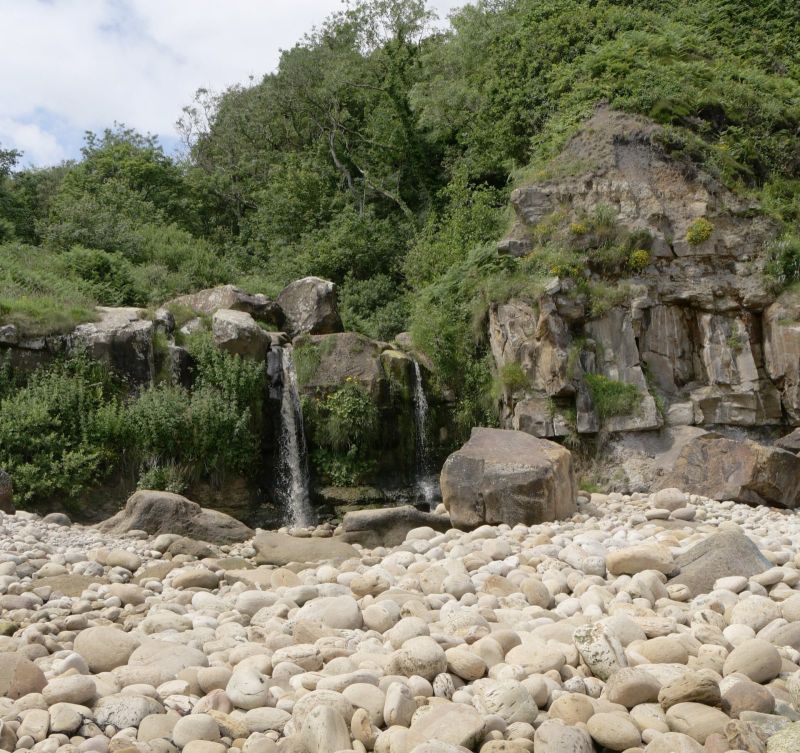
A waterfall that tumbles straight onto a boulder beach in a wooded cove south of Ravenscar.
 🌿 Moors & nature
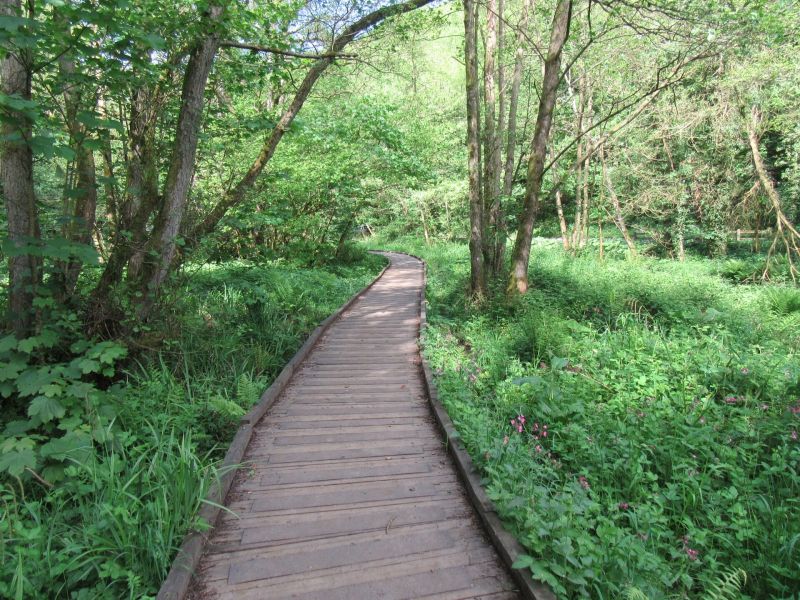
A wooded gorge of the River Derwent where wild birds feed from your hand.
 🏰 History & heritage
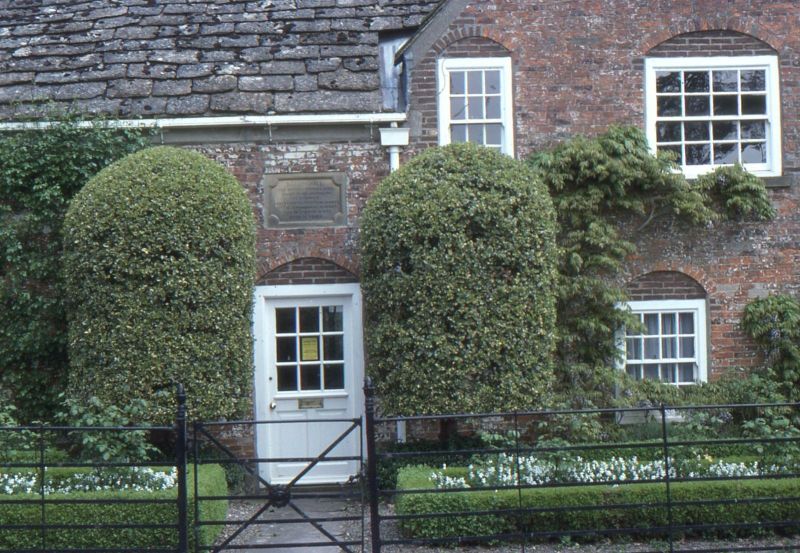
The house where Laurence Sterne wrote Tristram Shandy, now a museum and garden.
 🏰 History & heritage
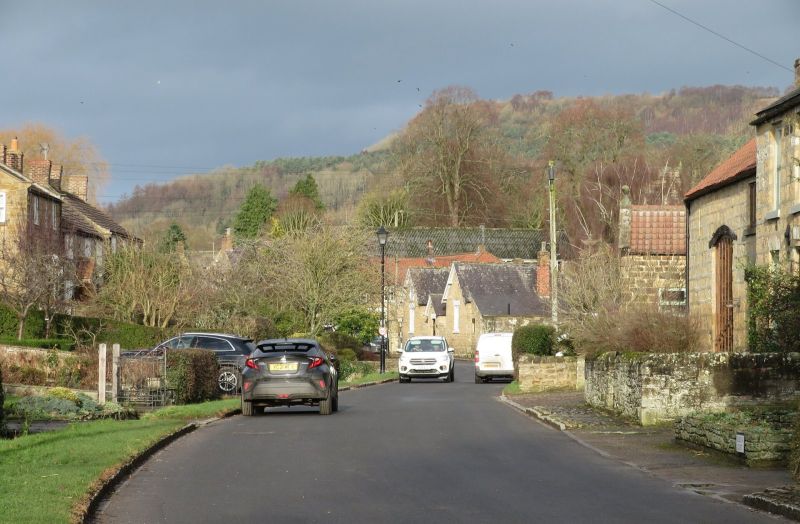
The workshop of Robert Thompson, whose oak furniture carries a carved mouse, still made in the village.
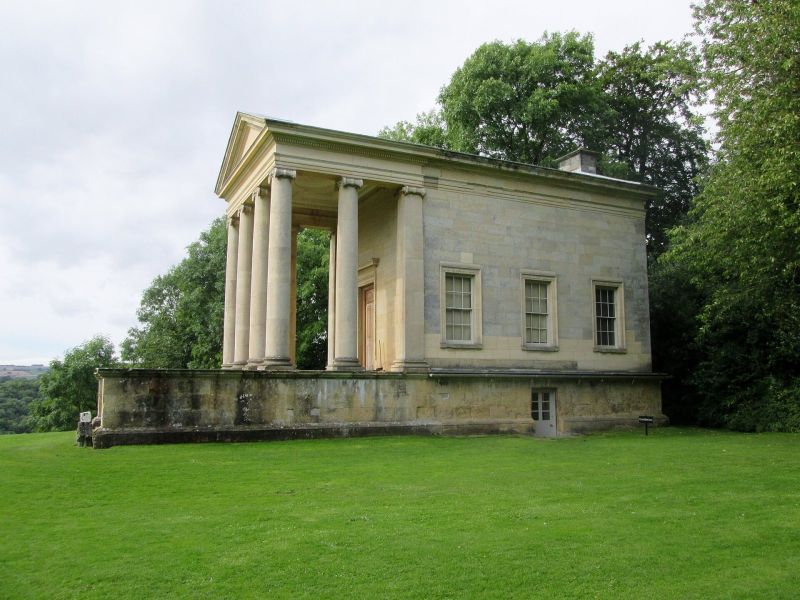 🏰 History & heritage
A curving grass terrace with two Georgian temples and framed views down onto Rievaulx Abbey.
 🏰 History & heritage
The village schoolroom where James Cook learned to read and reckon, now a small museum.
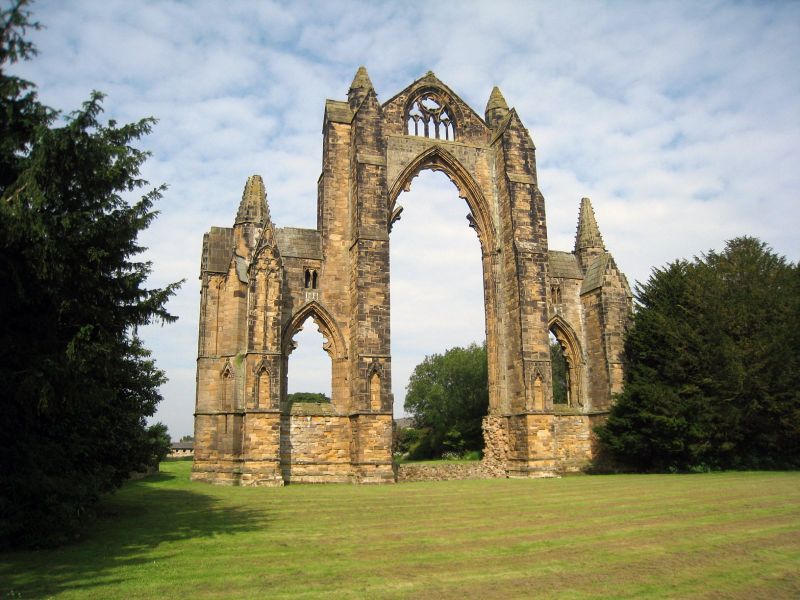 🏰 History & heritage
The soaring east end of an Augustinian priory church rising above the market town of Guisborough.
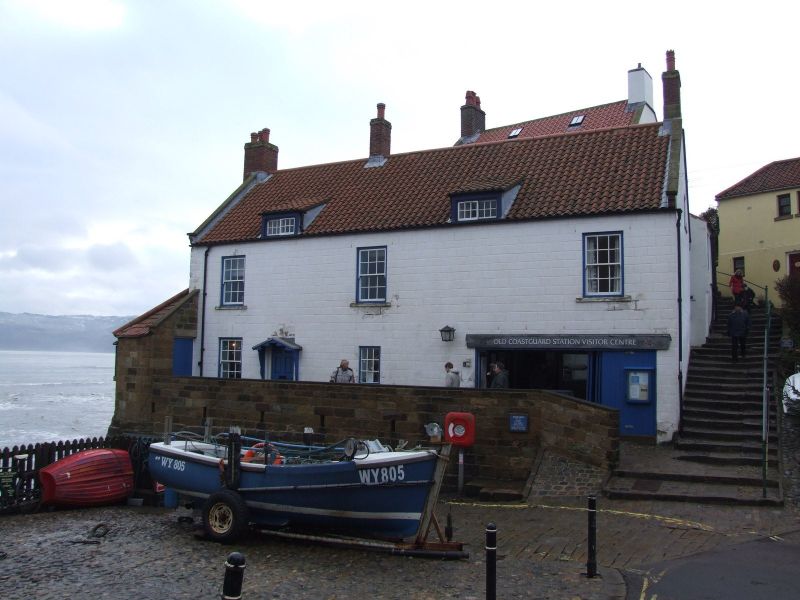 🏰 History & heritage
National Trust visitor centre on the slipway with exhibits on the bay's geology, wildlife and smugglers.
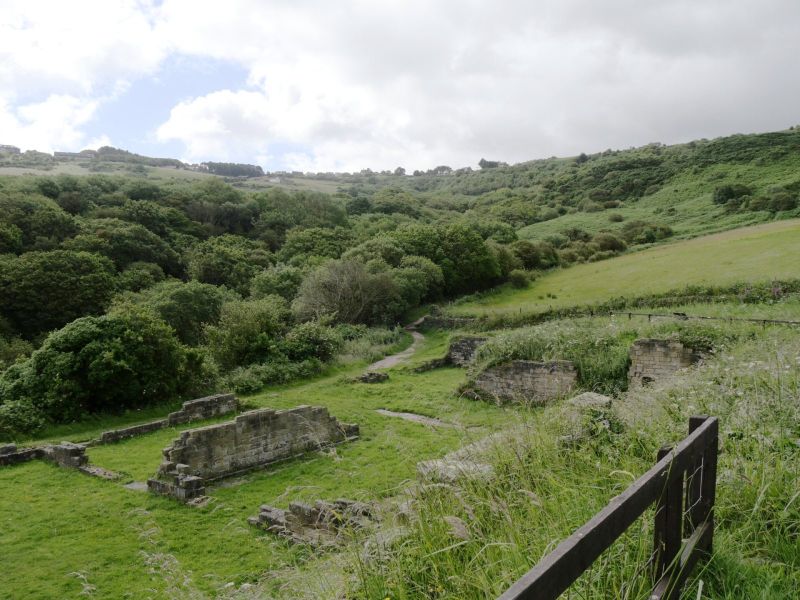 🏰 History & heritage
The remains of a 17th-century chemical industry on the cliffs, and the story of the resort that never was.
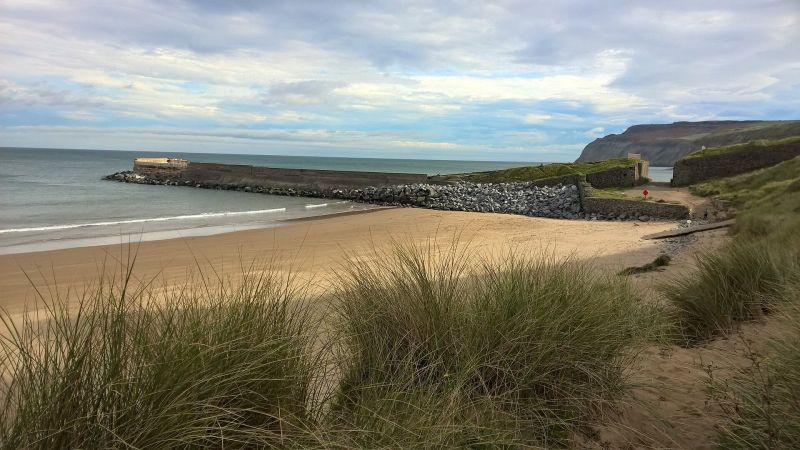 🏰 History & heritage
Underground tours of a real ironstone mine in the village of Skinningrove on the coast north of Staithes.
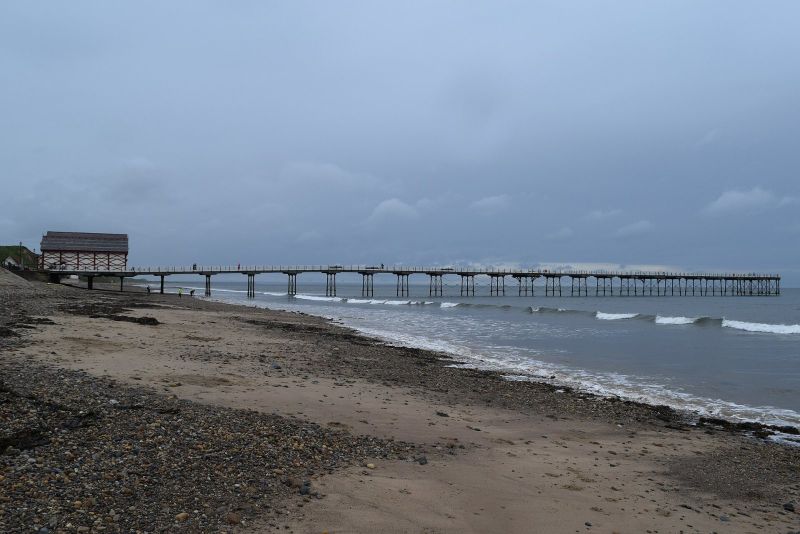 🌊 Coast
The last pier on the north-east coast and the oldest water-balanced cliff lift in Britain.
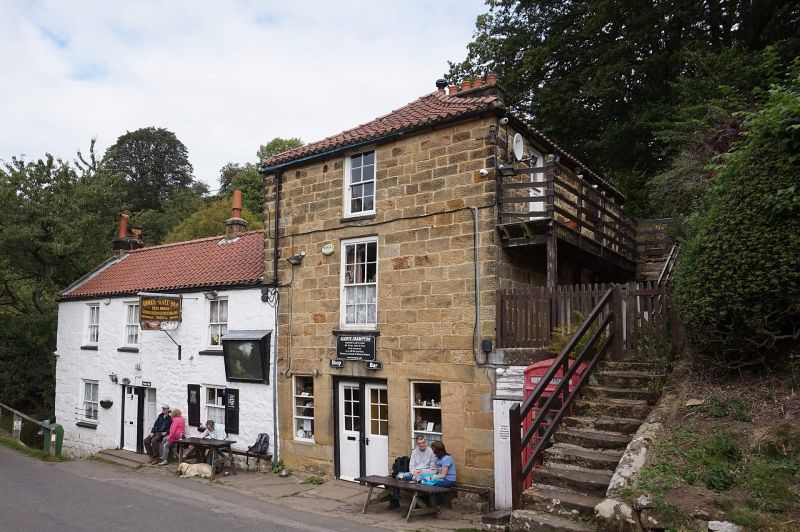 🍽️ Food & drink
A hamlet of nine cottages in the Goathland gorge with one of the smallest pubs in the country.
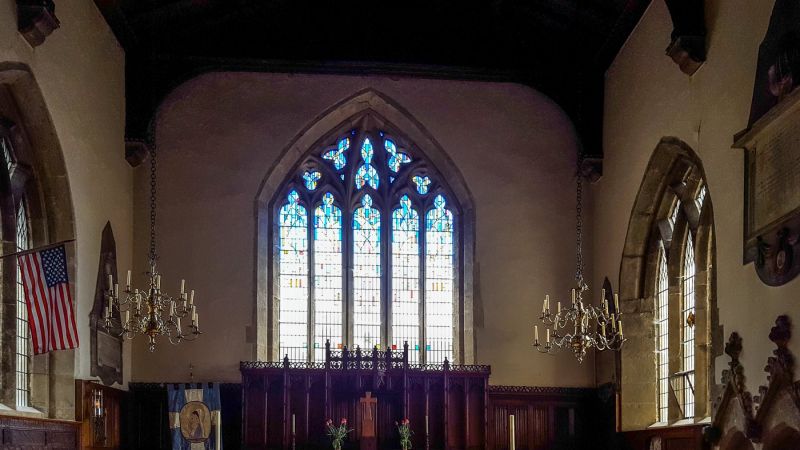 🏰 History & heritage
Parish church with a complete cycle of 15th-century wall paintings, whitewashed over and rediscovered in 1852.
 🚵 Active & outdoors
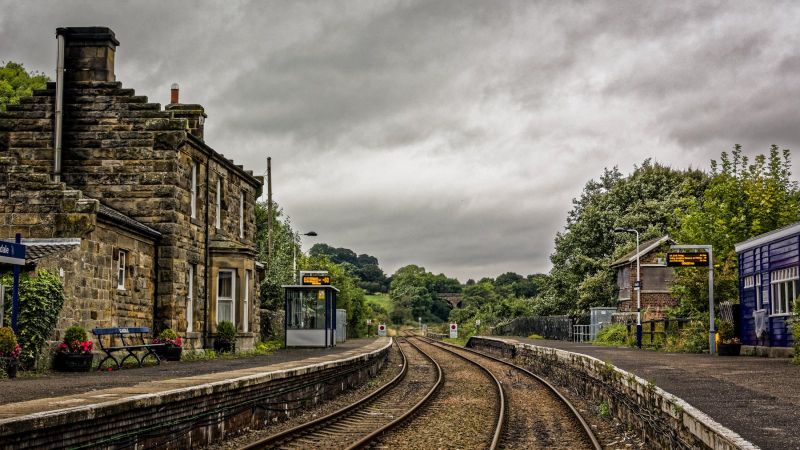
A scenic branch line from Middlesbrough to Whitby that calls at nine moorland villages.
 🎈 Family days out
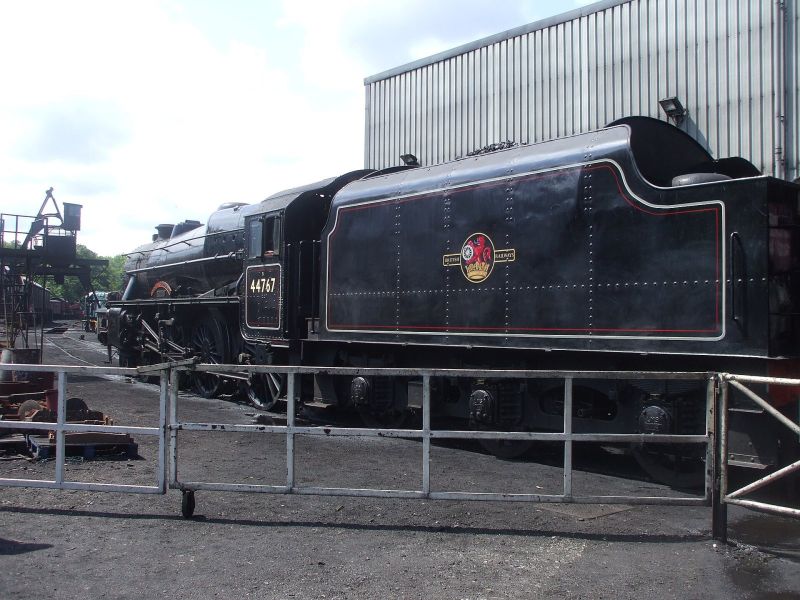
Where the steam railway keeps and restores its locomotives, open to visitors through the old tunnel.
 🌊 Coast
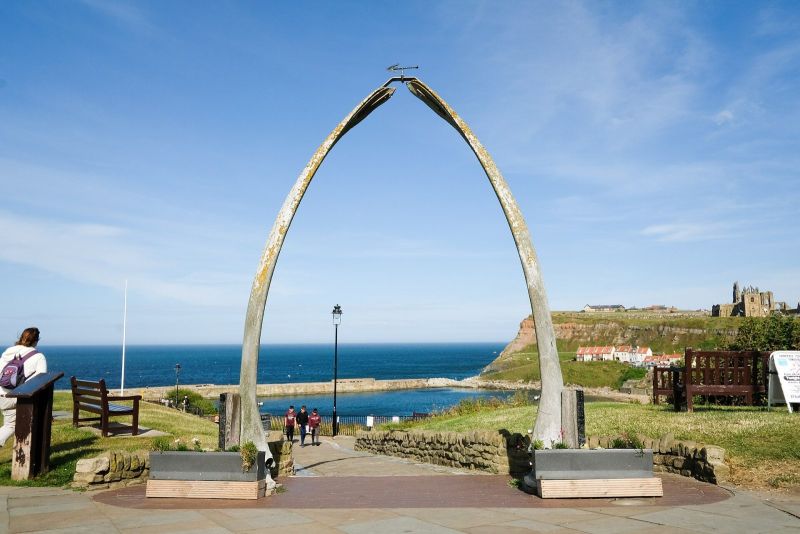
The Victorian side of town: whalebone arch, Captain Cook statue, the Royal Crescent and views to the abbey.
 🎈 Family days out
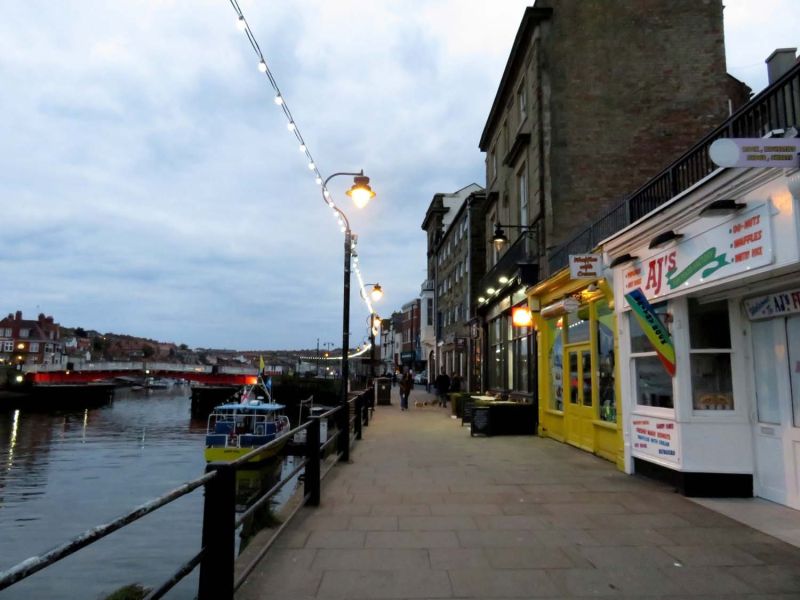
Animatronic walk-through of Stoker's novel on the harbourside, with a real cape from the 1979 film.
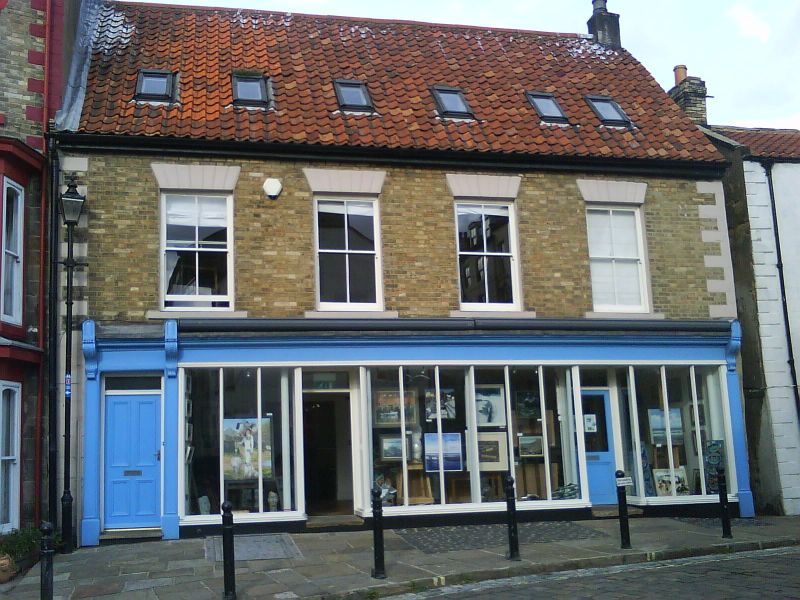 🏰 History & heritage
A reconstructed Staithes street of 1745 and the story of the young James Cook and the Staithes painters.
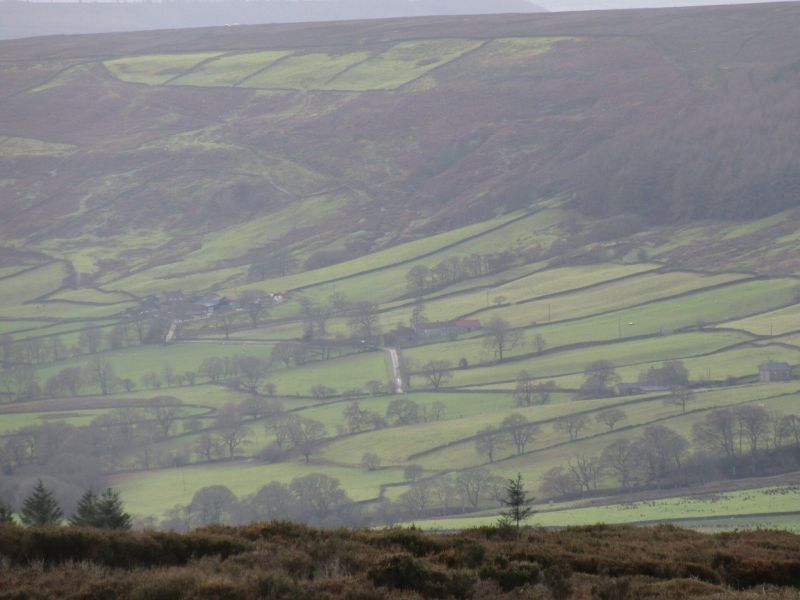 🌿 Moors & nature
The quietest dale on the moors, a National Trust estate with a restored watermill and a road that loops nowhere.
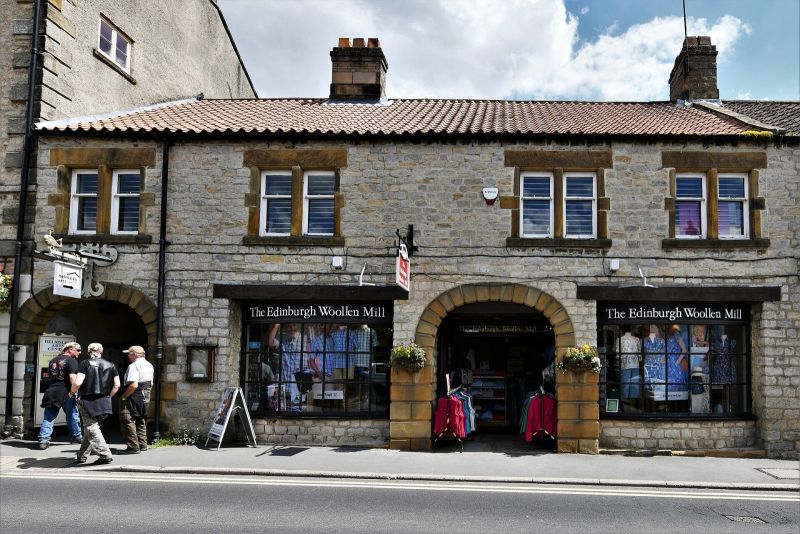 🍽️ Food & drink
Microbrewery and tap room a minute from Helmsley market square, brewing Yorkshire Legend and Striding the Riding.
Occasional emails on seasonal highlights, events and new walks. No spam, unsubscribe any time.