Itinerary
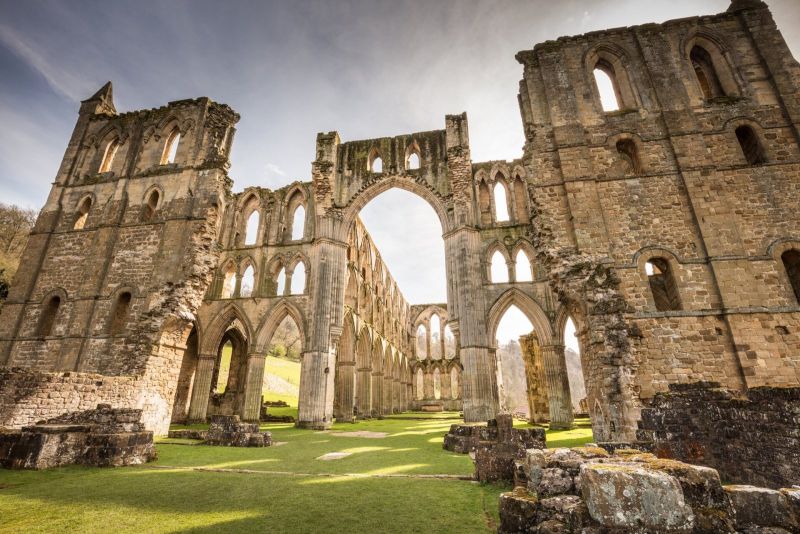
48 hours on the moors
A first-timer's weekend: abbey, steam train, waterfall, moor-top pub and a night by the sea.
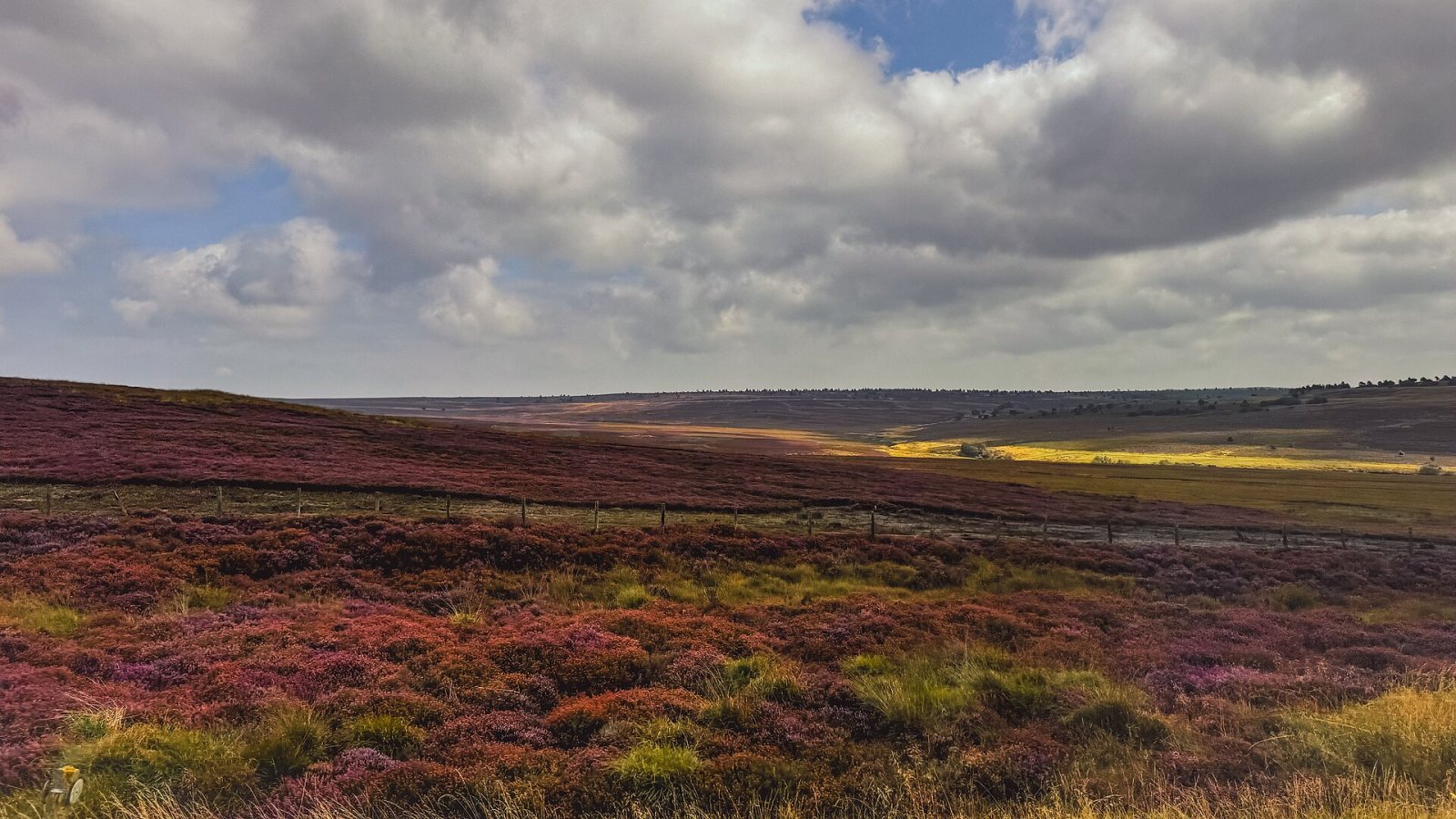
Ready-made plans for a weekend or a week, and deeper guides to heather, dark skies, fossils and wildlife.
Follow them as written or use them as a skeleton.
A first-timer's weekend: abbey, steam train, waterfall, moor-top pub and a night by the sea.
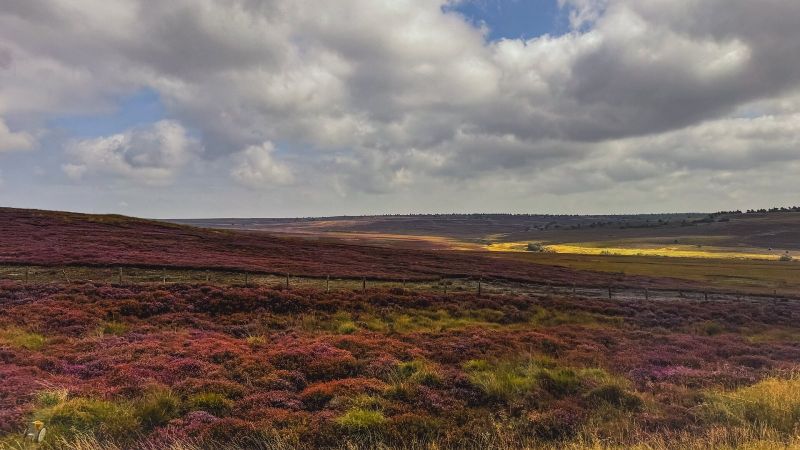
Seven days that cover the coast, the dales, the escarpment and the high moor without rushing any of it.
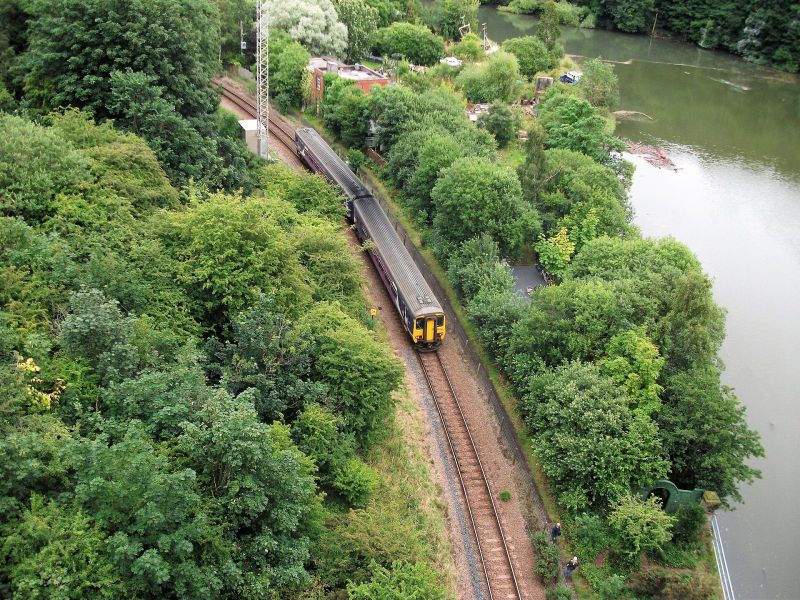
Middlesbrough to Whitby on the Esk Valley line, the steam railway to Pickering and back by bus: no car needed.
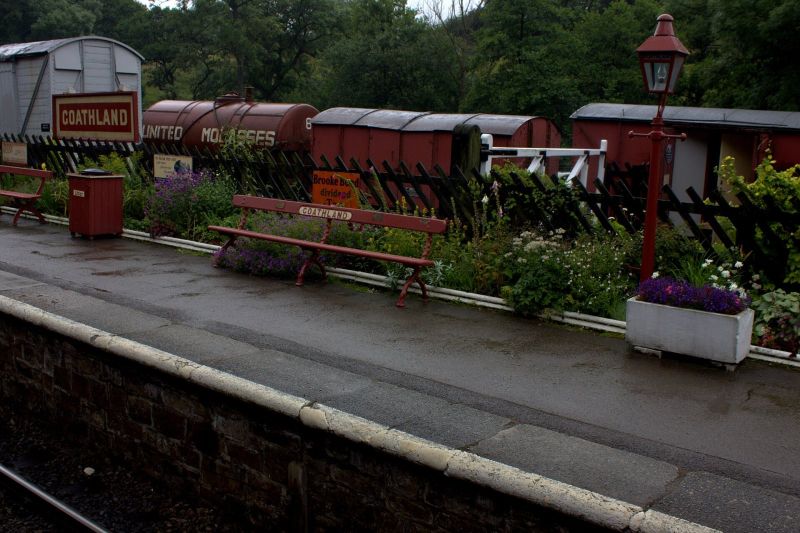
Trains, beaches, rock pools, a folk museum and a forest: three days that keep children busy.
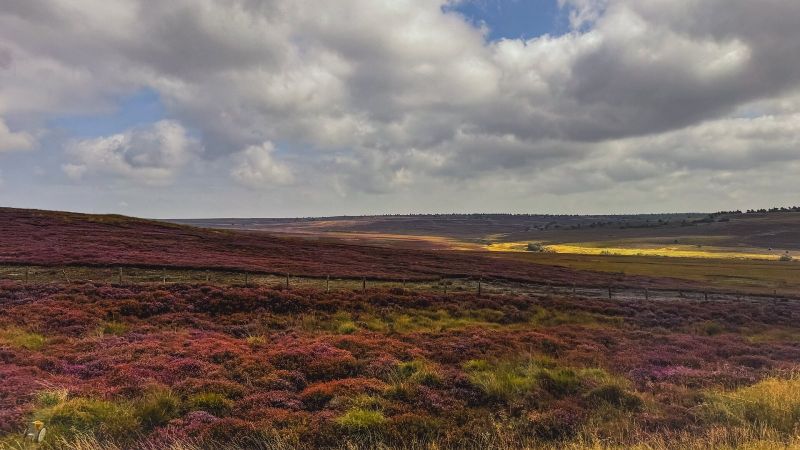
For a few weeks in August the largest expanse of heather moorland in England turns purple. Where and when to see it.
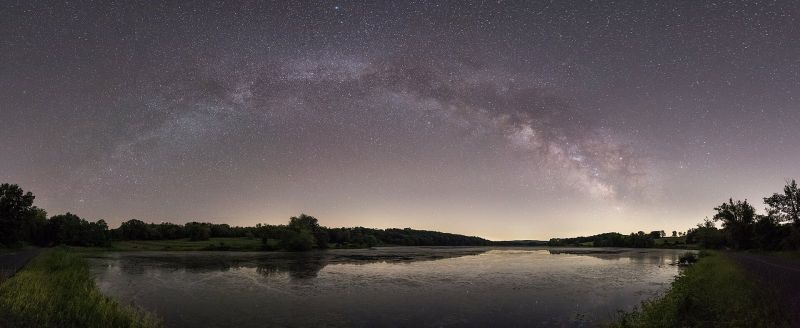
The North York Moors has some of the darkest skies in England. Where to go, when to go and what you will see.
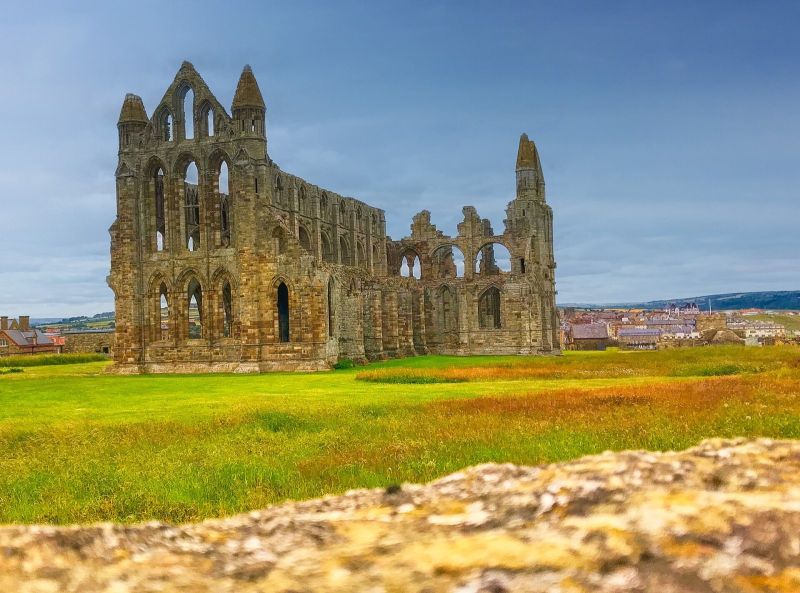
Bram Stoker stayed in Whitby in 1890 and put the town into the most famous vampire story ever written. Follow the trail.
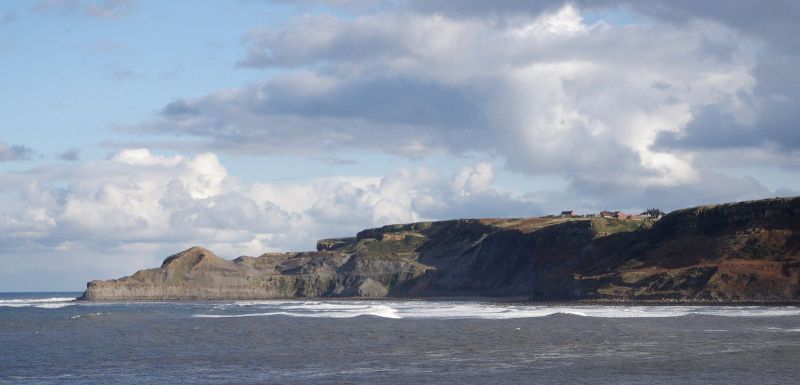
Thirty miles of cliffs from Saltburn to Ravenscar, with a fishing village every few miles. Which is which.
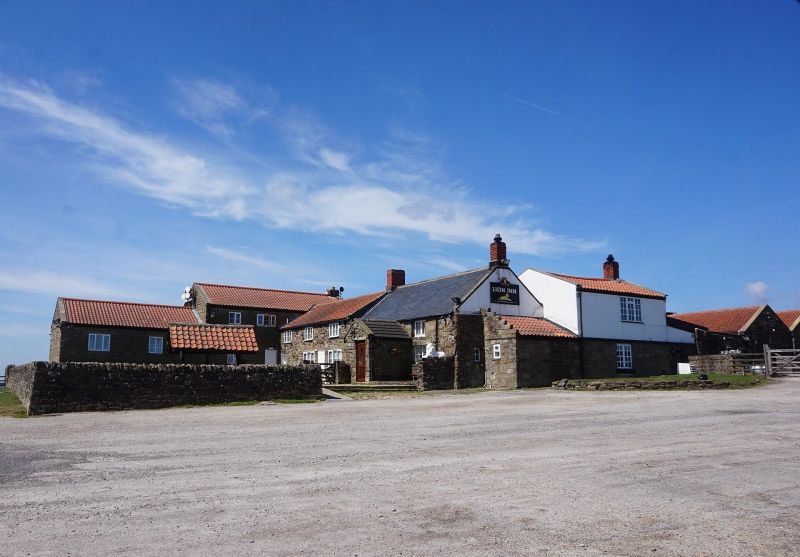
Moor-top inns, riverside taprooms and pubs the size of a front room. Where to drink on the moors.
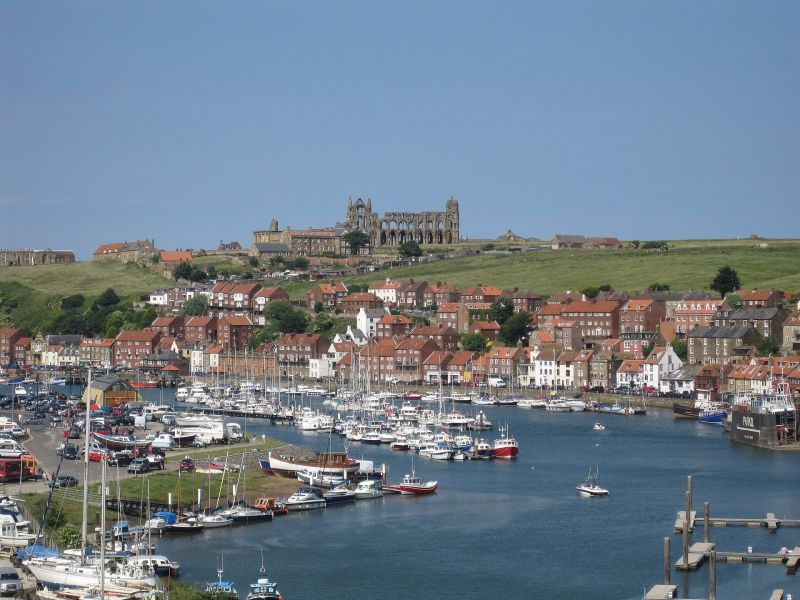
Two days in the town that has everything: abbey, harbour, jet, Dracula, fish and chips and the best beach walk on the coast.
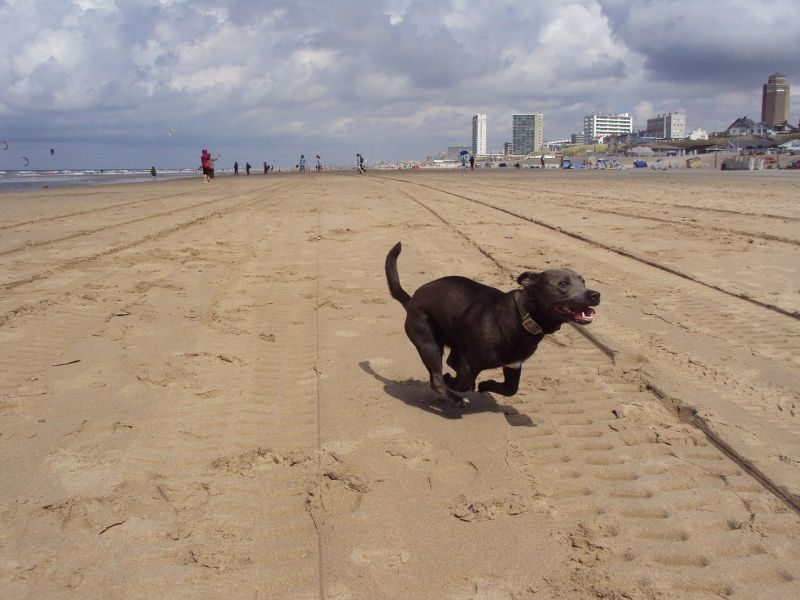
Dog-friendly beaches, walks, pubs and attractions, and the rules that keep dogs and ground-nesting birds safe.
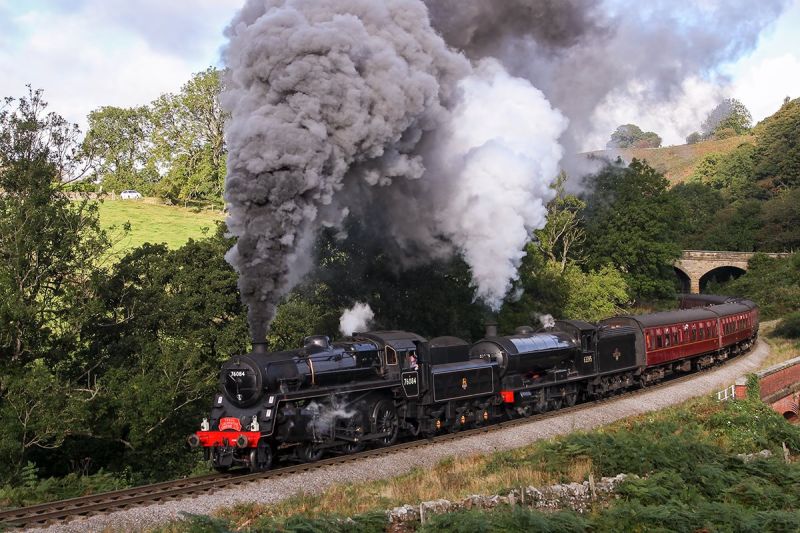
Steam trains, rock pools, a treetop course, sheep on the green and a museum with dressing up. Days that work.
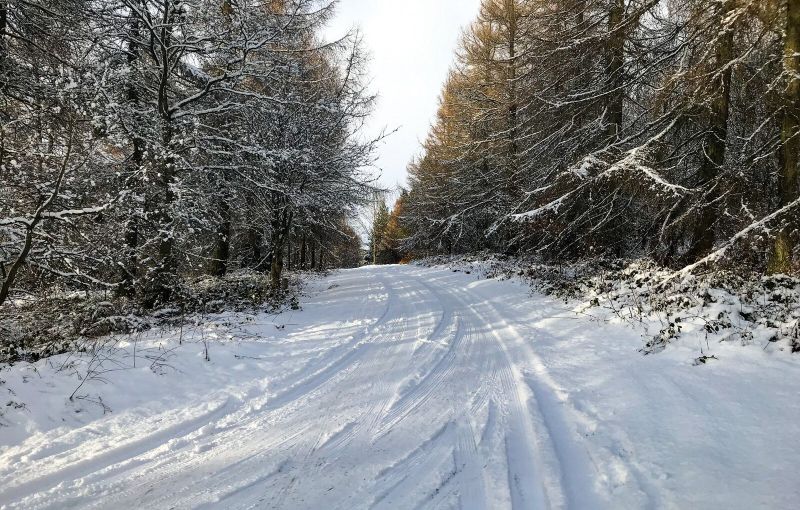
Santa trains, illuminated abbeys, Krampus in Whitby, a stately home dressed for the season and a Boxing Day walk.
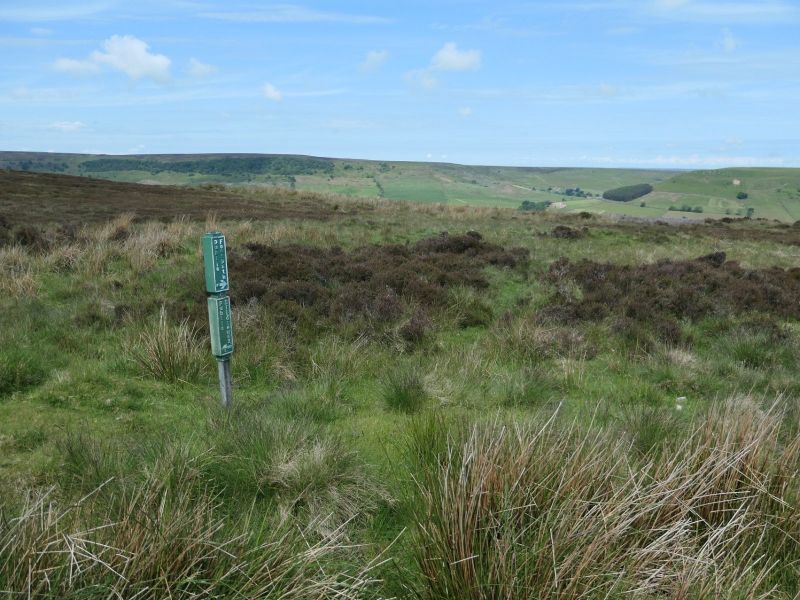
Footpaths, bridleways, byways and open access moorland explained, with the rules for dogs and how to report a blocked path.
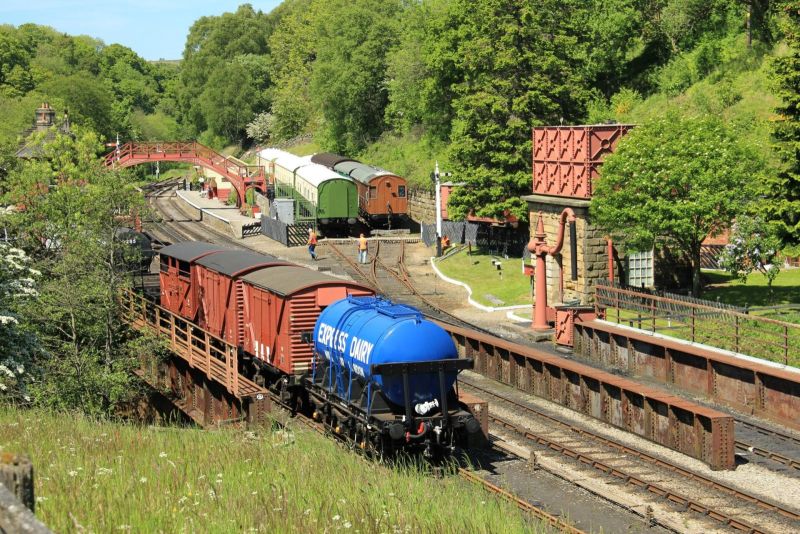
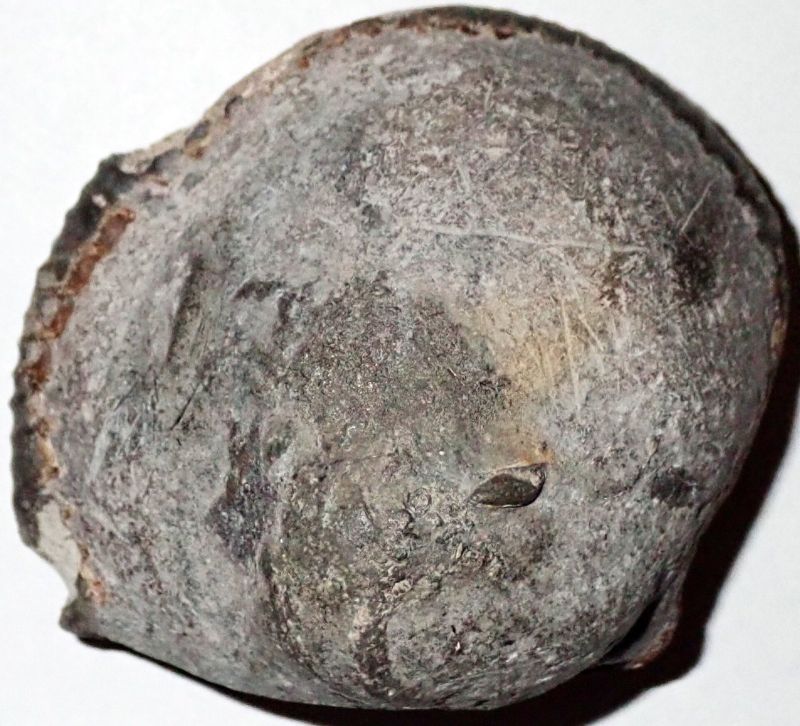
The Jurassic cliffs between Staithes and Ravenscar are among the best fossil grounds in Britain. How to look responsibly.
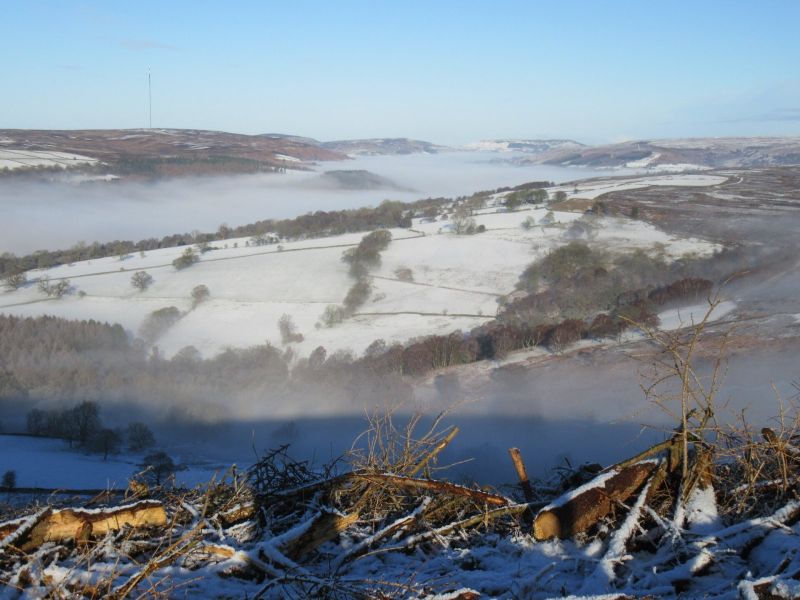
What to expect, and what to look out for, in every month of the year.
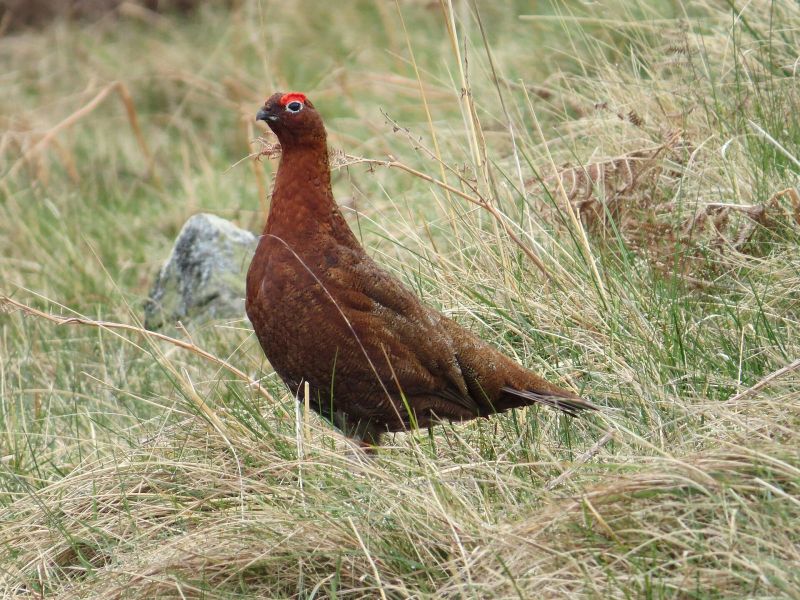
Curlews, merlins, seals, adders, otters and dippers. What lives here and where to find it.
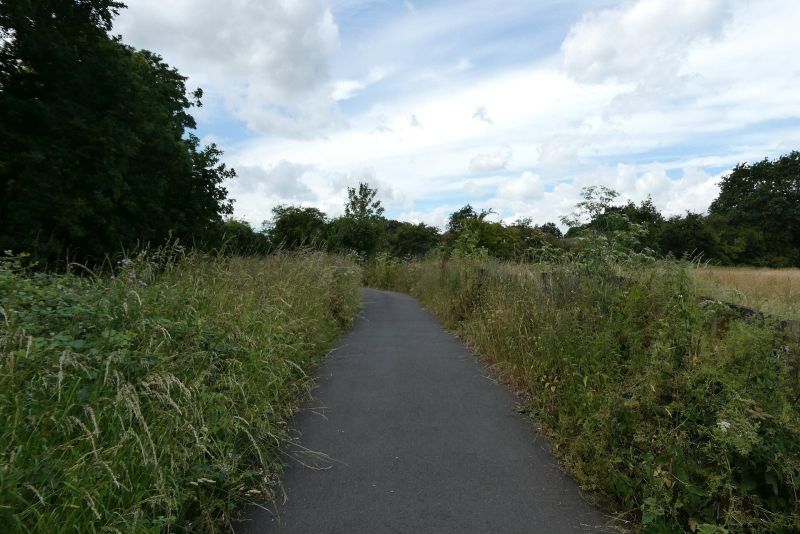
Forest trails, moorland climbs, the Cinder Track and the toughest hill in Yorkshire: where to ride.
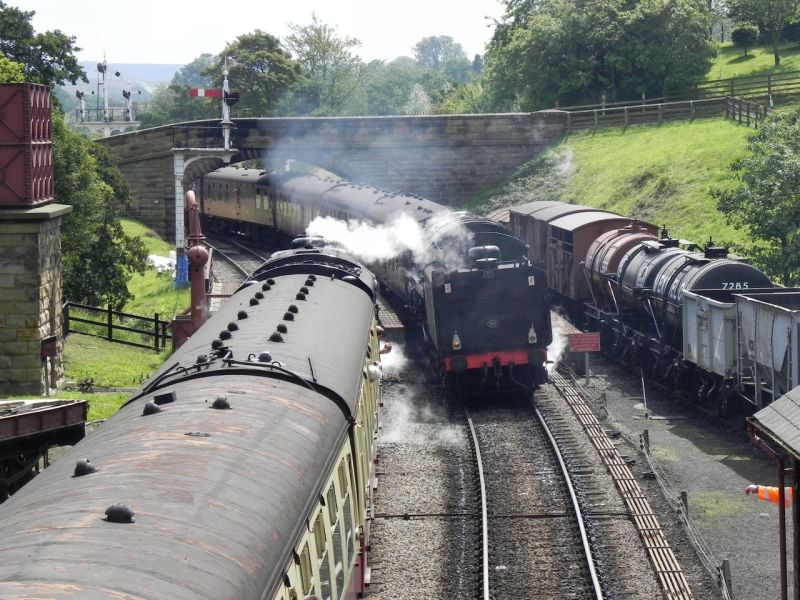
How the steam railway works, where to get off and how to get the most from a day rover.
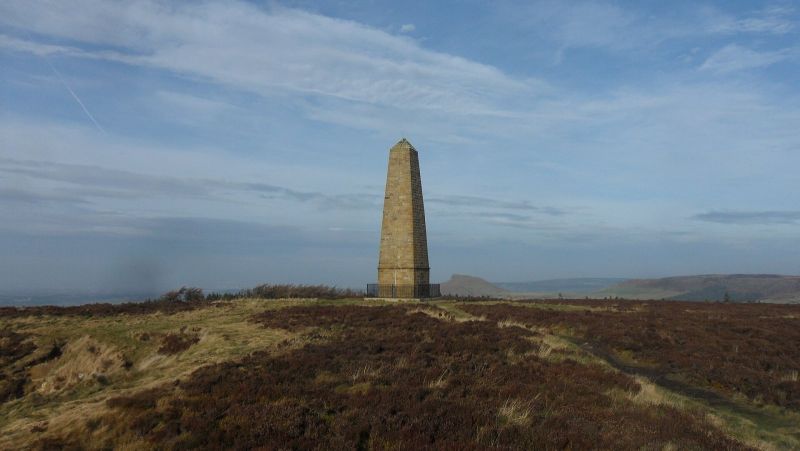
James Cook was born, schooled and apprenticed on the edge of the moors. A trail through the places that made the navigator.
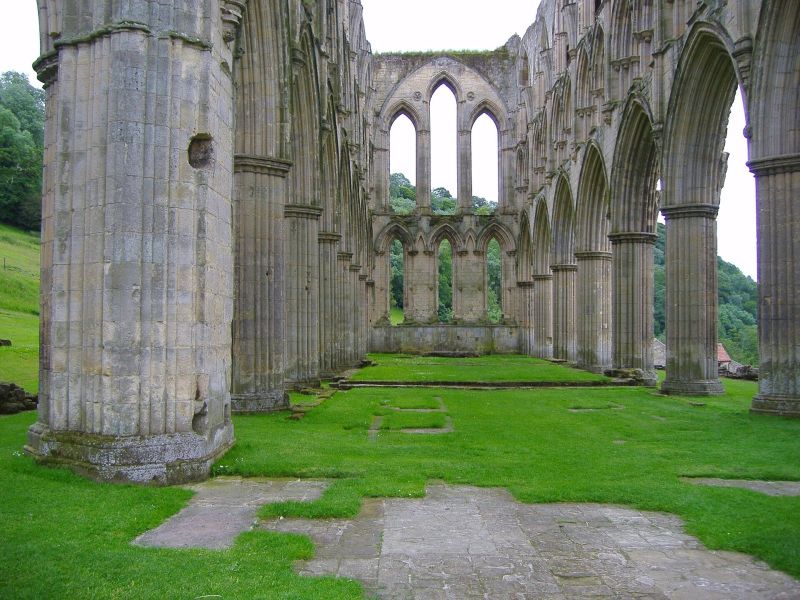
Five monastic ruins in a day's drive: Rievaulx, Byland, Mount Grace, Whitby and Rosedale's ghost.
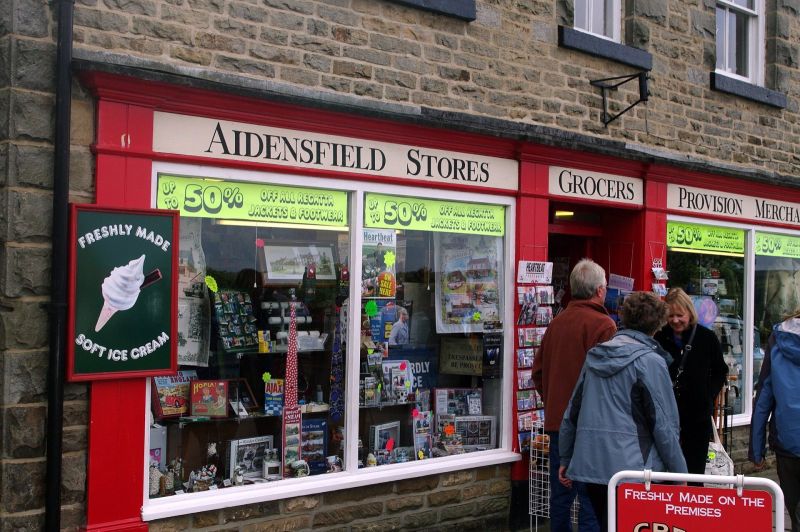
Heartbeat, Harry Potter, Dracula, All Creatures Great and Small: where the moors have played themselves and others.
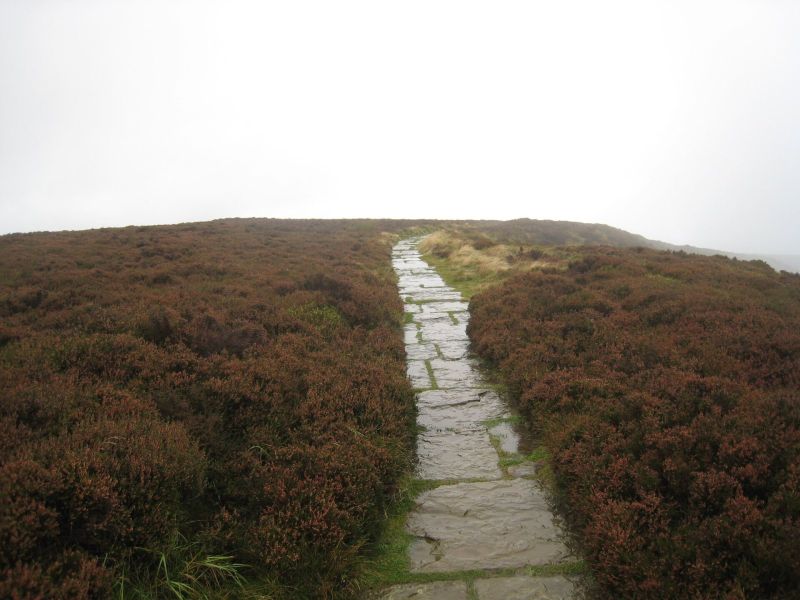
A nine-day plan for the 109-mile National Trail, with where to stop, what to see and how to shorten it.
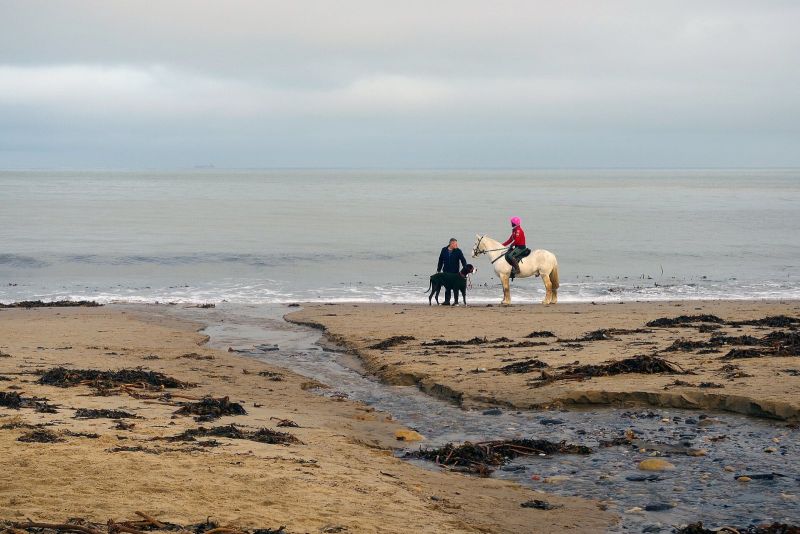
Sand for children, rocks for fossils, cliffs for drama and a cove for solitude.
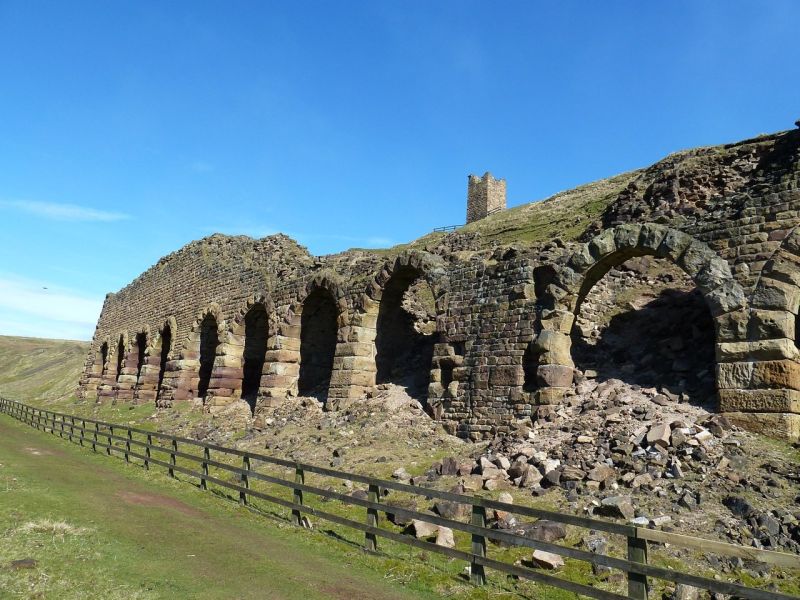
Bronze Age barrows, Saxon saints, Cistercian monks, ironstone and steam: how the landscape came to look this way.
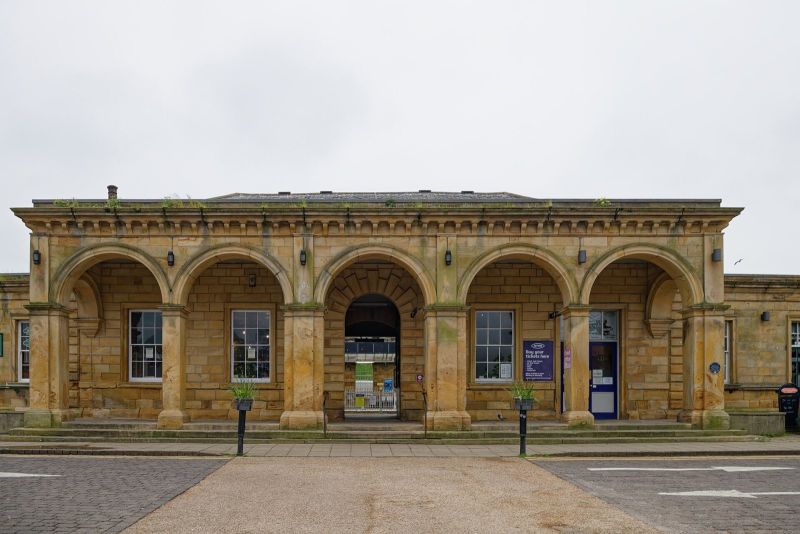
The trains, buses and seasonal services that make a car-free visit practical, and how to link them.
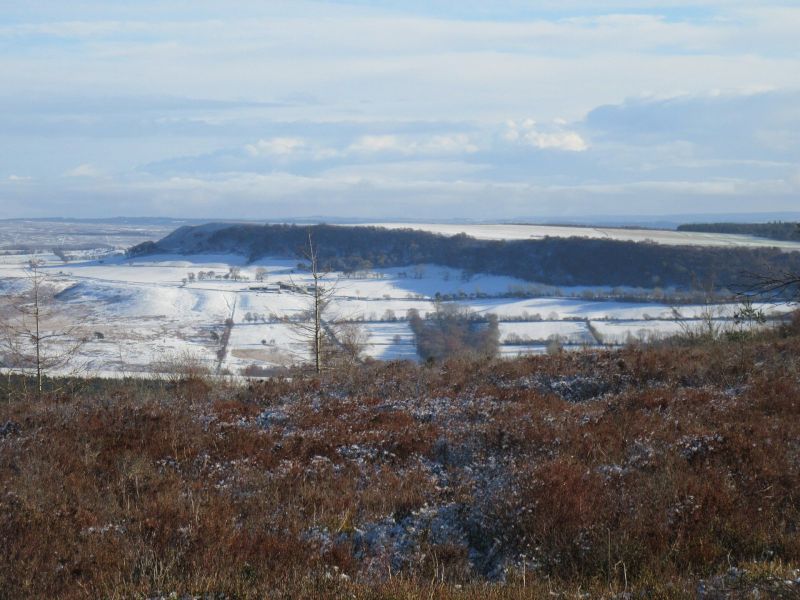
Quiet, cold and often the most beautiful season. What is open, what is not and where to go.
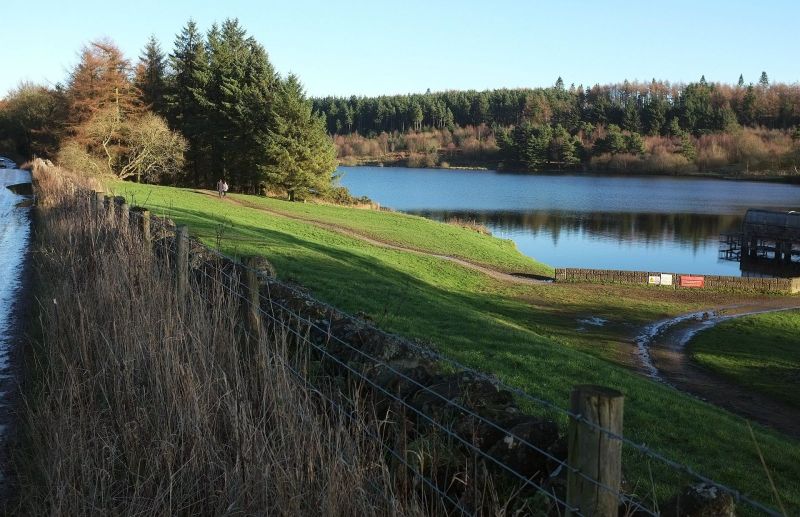
Level routes, step-free attractions and the National Park's Miles Without Stiles network.
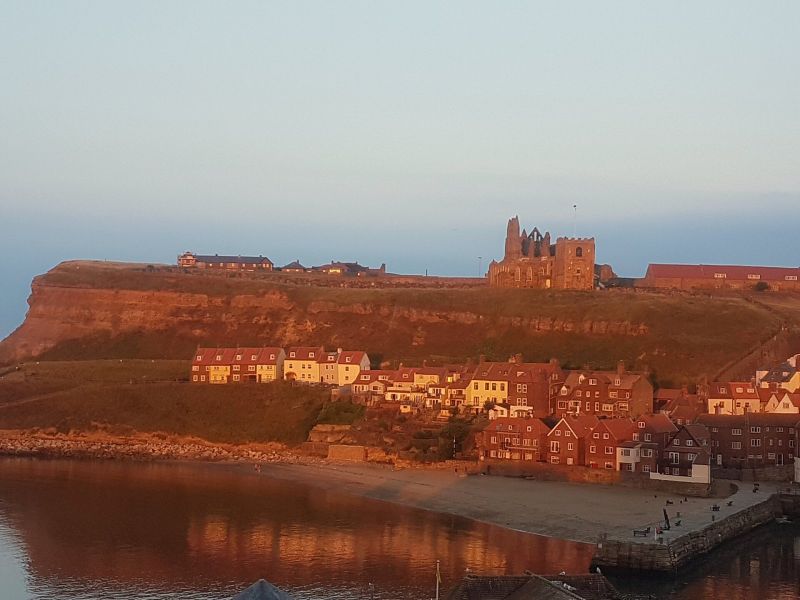
Sunrise at the abbey, heather at Blakey Ridge, steam in the gorge: the classic shots and when to take them.
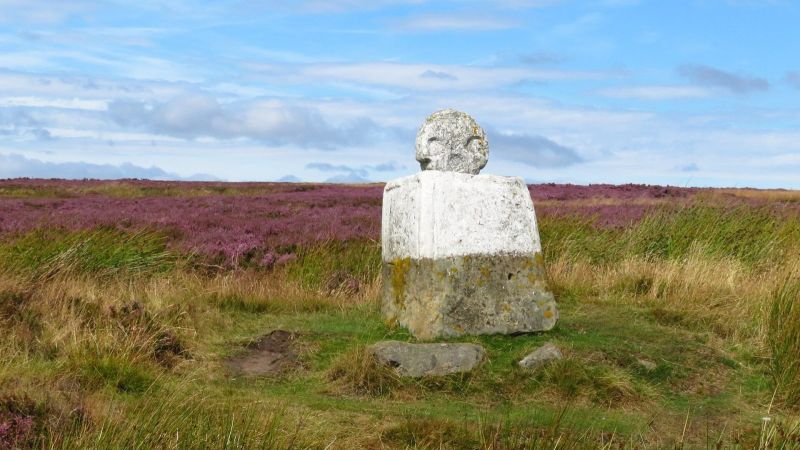
More than thirty stone crosses stand on the high moors, medieval waymarks with names and legends. A trail to the best.
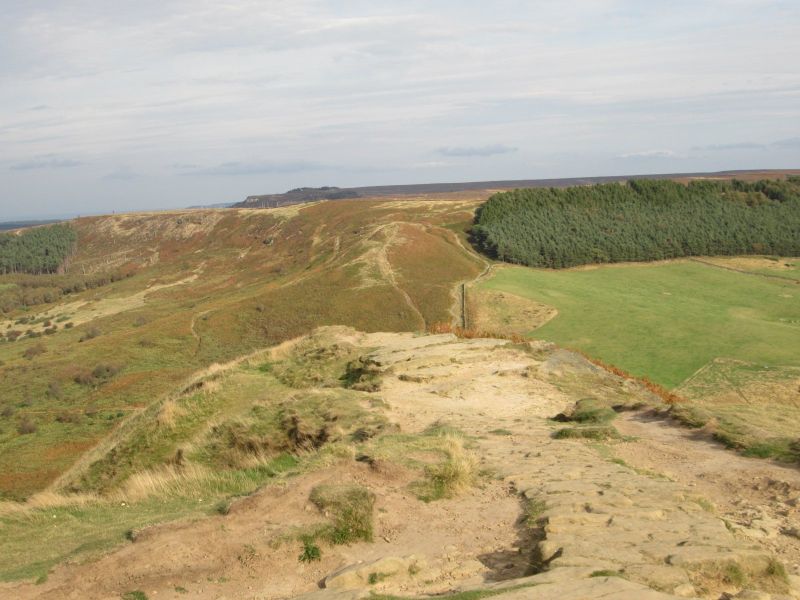
The best of the National Park costs nothing: beaches, waterfalls, viewpoints, crosses and a lot of walking.
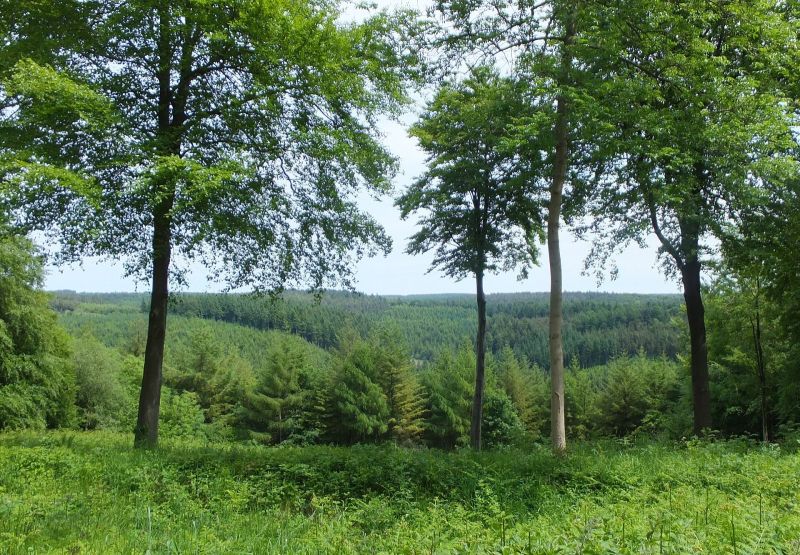
Campsites in the dales, on the coast and in the forest, plus pods, yurts and shepherd's huts. Where to pitch.
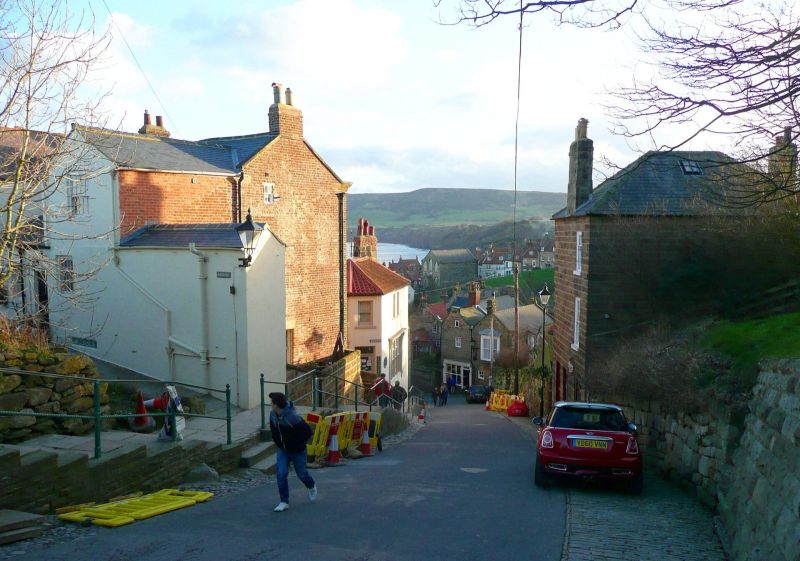
Where to park in the busy villages, what it costs, and the roads not to attempt in a motorhome.
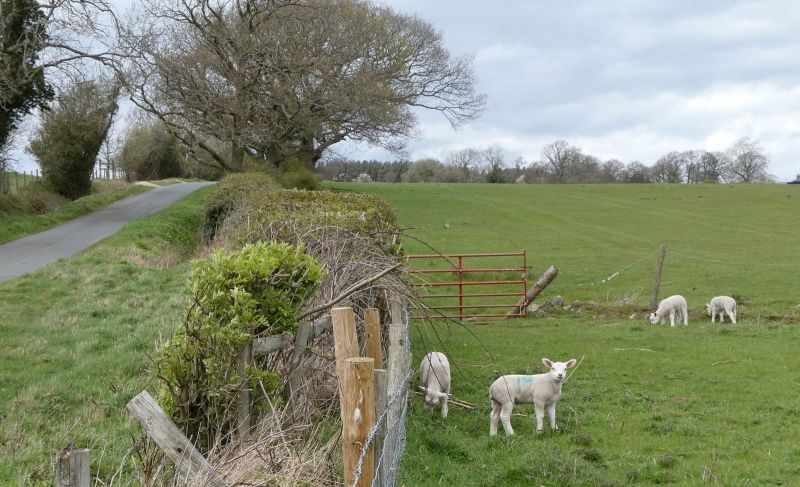
Daffodils, lambs, the railway back in steam, egg rolling and the first warm days on the coast.
Three organisations doing good work in and around the North York Moors, and how visitors can support or join them.
Occasional emails on seasonal highlights, events and new walks. No spam, unsubscribe any time.