Guide
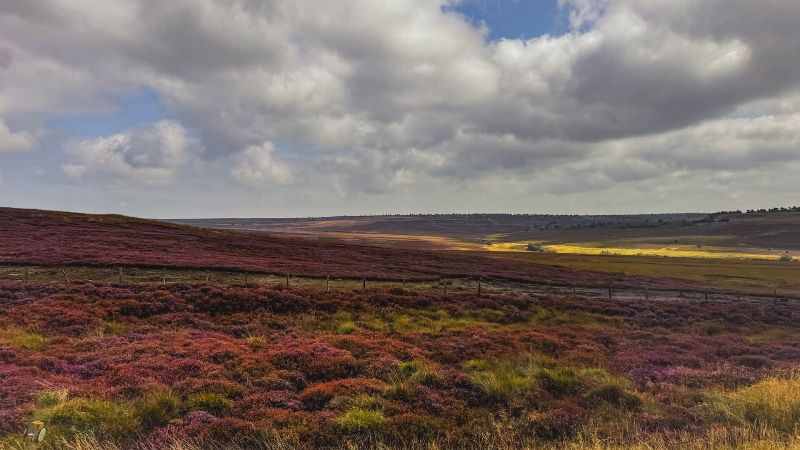
Heather season: the moors in purple
For a few weeks in August the largest expanse of heather moorland in England turns purple. Where and when to see it.
More than thirty stone crosses stand on the high moors, medieval waymarks with names and legends. A trail to the best.
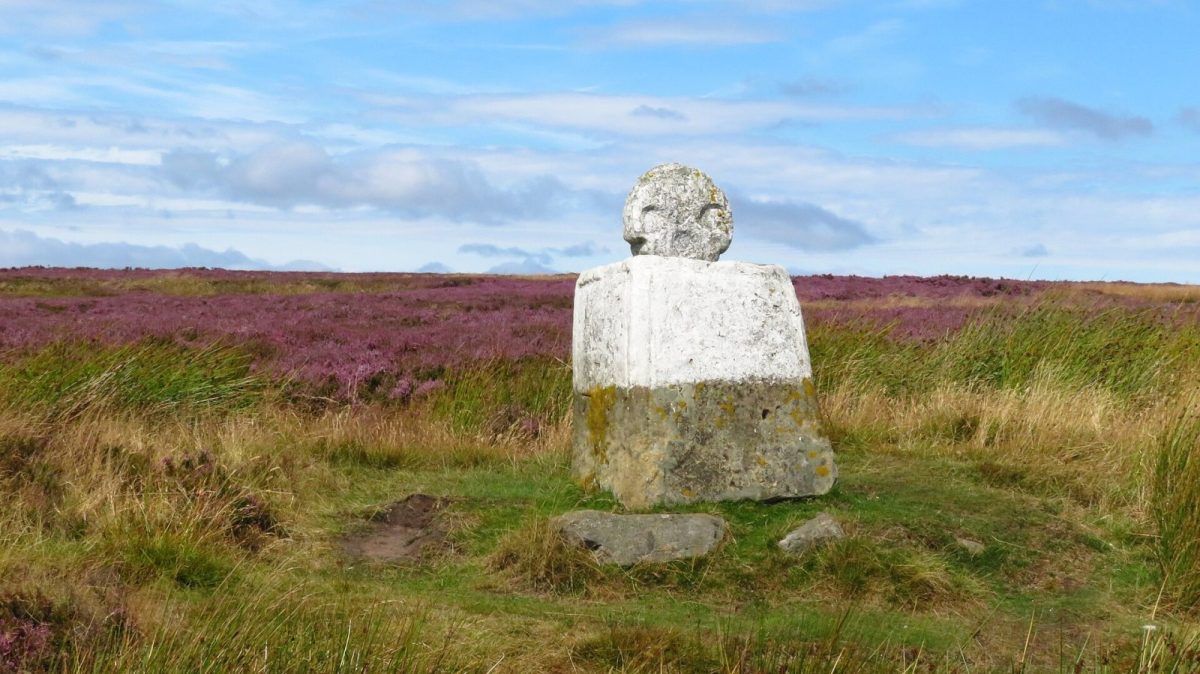
The crosses were set up between the 9th and 18th centuries to mark tracks, boundaries and the routes between abbeys and granges across trackless moor. Most are on the ridges and reached by short walks from lay-bys.
The tallest, nine feet, beside the Rosedale road at the top of Westerdale Moor, and the symbol of the National Park. Leave a coin on top.
Half a mile east, a squat medieval cross painted white. Leave a sweet, take a sweet.
A lonely older cross a few hundred yards west of Young Ralph across the heather.
On Fylingdales Moor, the oldest, around 1000, on the barrow of a thane who died saving a king.
Above Rosedale on Spaunton Moor, a replacement for a medieval original now in Lastingham church.
In Cropton Forest near Stape, beside the Roman road line.
Below the Hole of Horcum at the foot of Blakey Topping, a 17th-century boundary marker.
On Urra Moor, the highest point of the moors, beside the Cleveland Way, with a pointing hand carved for lost travellers.
For a few weeks in August the largest expanse of heather moorland in England turns purple. Where and when to see it.
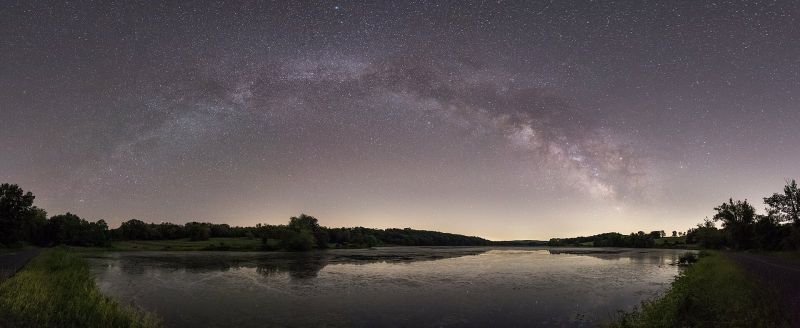
The North York Moors has some of the darkest skies in England. Where to go, when to go and what you will see.
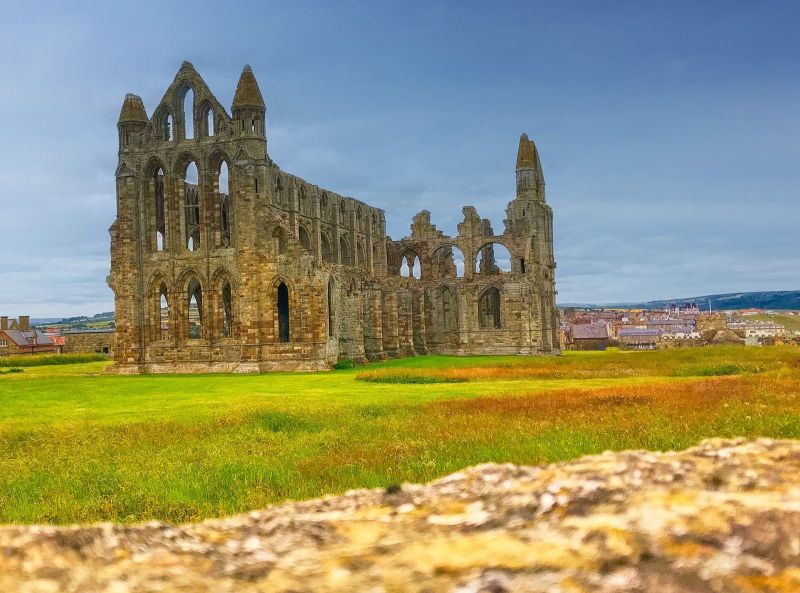
Bram Stoker stayed in Whitby in 1890 and put the town into the most famous vampire story ever written. Follow the trail.
Occasional emails on seasonal highlights, events and new walks. No spam, unsubscribe any time.