Guide
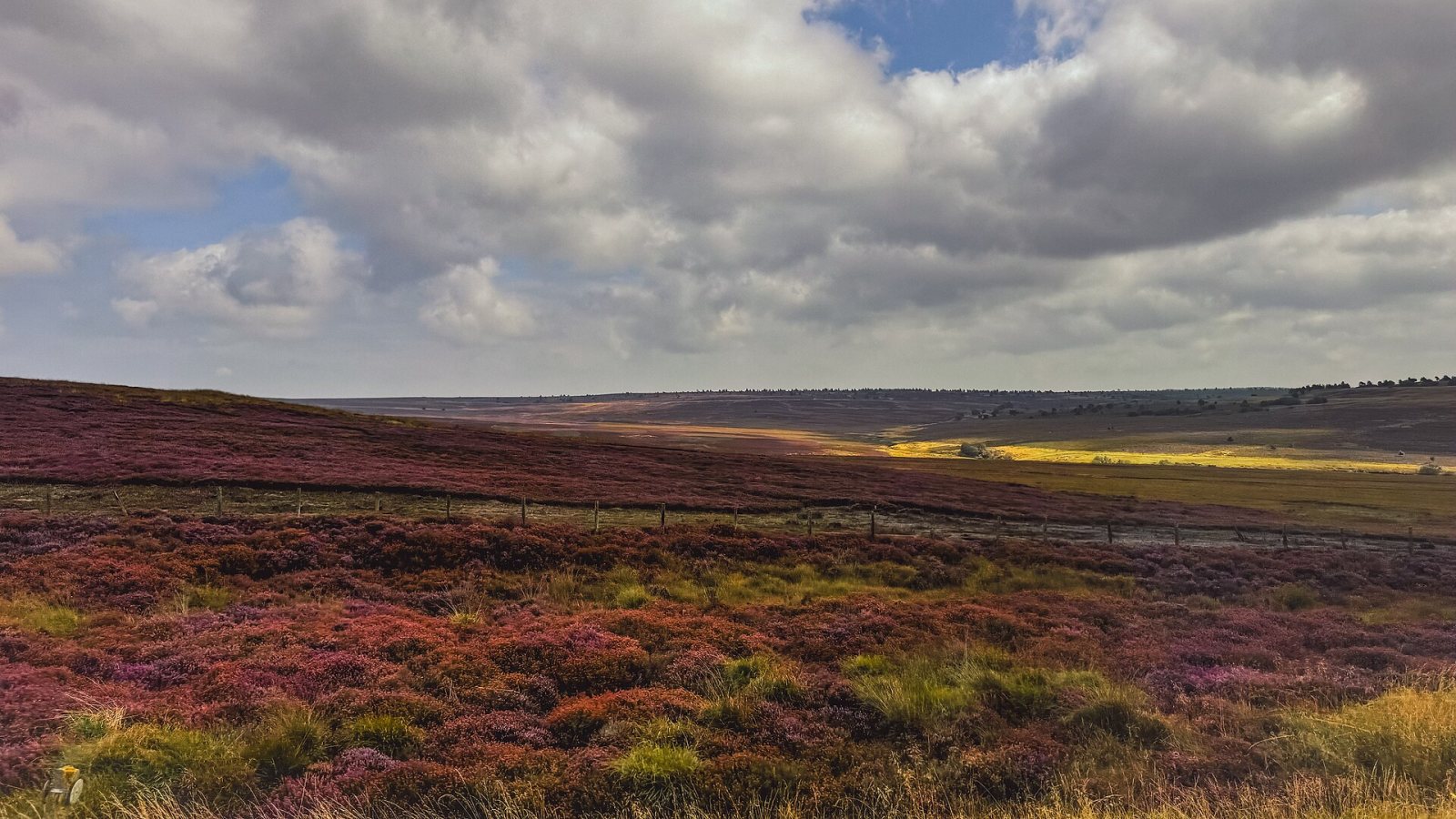
Heather season: the moors in purple
For a few weeks in August the largest expanse of heather moorland in England turns purple. Where and when to see it.
The North York Moors has some of the darkest skies in England. Where to go, when to go and what you will see.
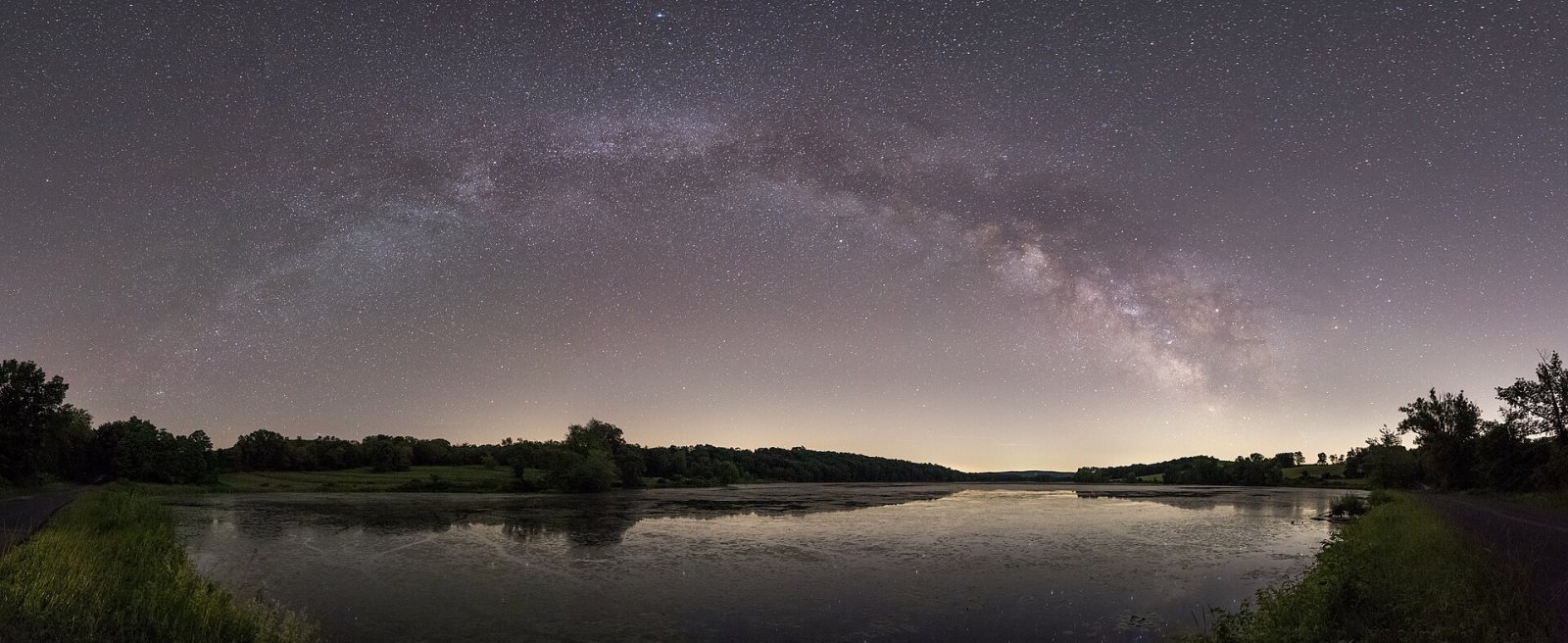
The North York Moors became an International Dark Sky Reserve in December 2020. Away from the towns, the sky here is dark enough to see the Milky Way with the naked eye, along with meteor showers, the Andromeda galaxy and, on the right night, the northern lights.
- Sutton Bank National Park Centre, which has a designated Dark Sky Discovery Site and regular events
- Dalby Forest, with its observatory and stargazing evenings run by local astronomy societies
- The Moors Centre at Danby
- Any moor-top lay-by on the Blakey Ridge road, the Rosedale road or the A169 at Saltergate
Winter gives the longest nights and clearest air; the Dark Skies Festival runs for two weeks in February. Aim for a night with no moon. Give your eyes twenty minutes to adjust and use a red torch.
The Milky Way arches overhead in late summer and autumn evenings. The Perseid meteor shower peaks around 12 August, the Geminids around 14 December. The aurora appears a few times a year; sign up to an aurora alert service and head for a north-facing viewpoint such as Roseberry Topping or the coast at Ravenscar.
Warm clothes, a flask, a reclining chair or mat, and binoculars, which show more than you would expect. A star chart app in night mode helps with names.
For a few weeks in August the largest expanse of heather moorland in England turns purple. Where and when to see it.
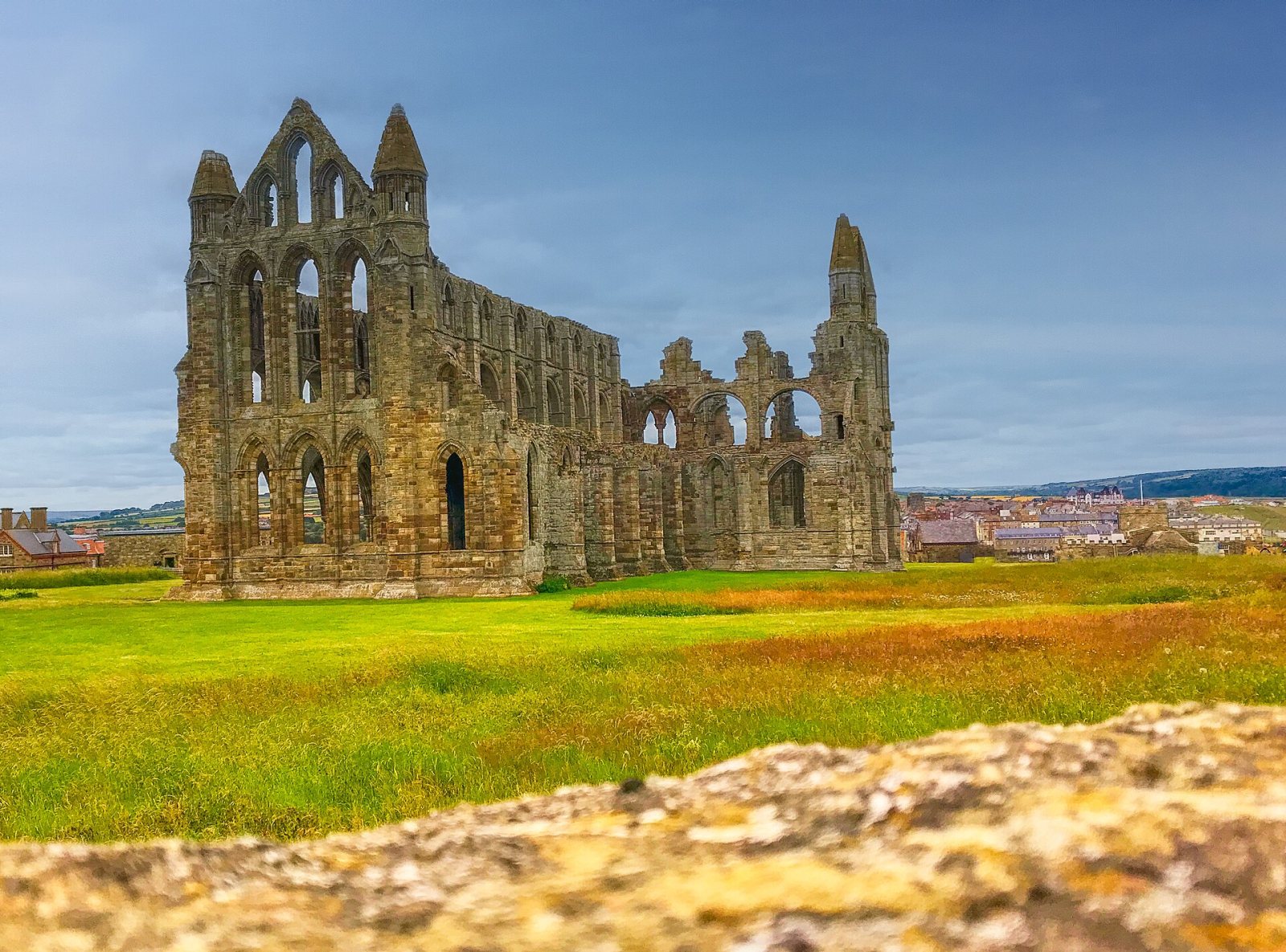
Bram Stoker stayed in Whitby in 1890 and put the town into the most famous vampire story ever written. Follow the trail.
Occasional emails on seasonal highlights, events and new walks. No spam, unsubscribe any time.