Guide
Heather season: the moors in purple
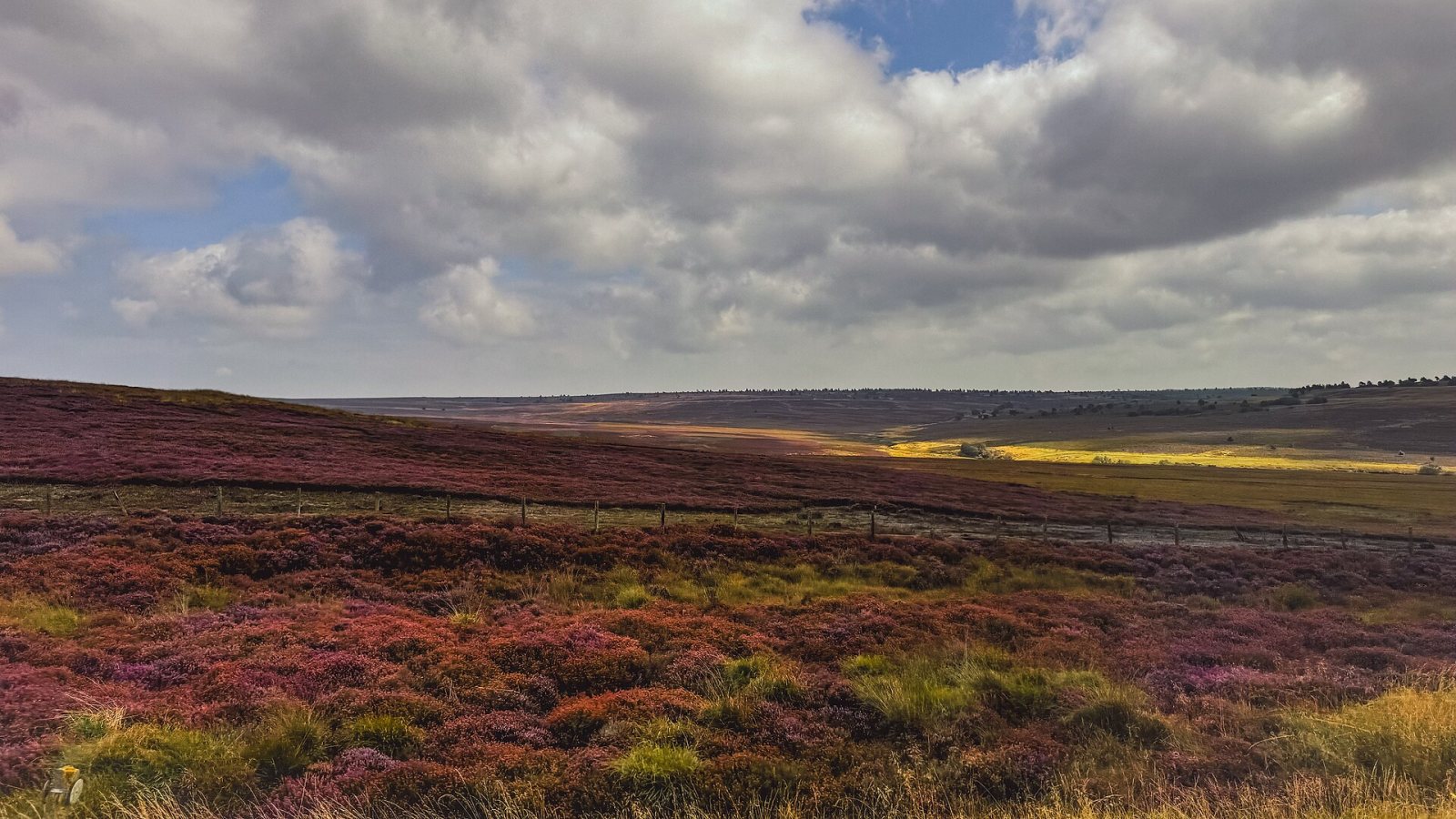
For a few weeks in August the largest expanse of heather moorland in England turns purple. Where and when to see it.
The Jurassic cliffs between Staithes and Ravenscar are among the best fossil grounds in Britain. How to look responsibly.
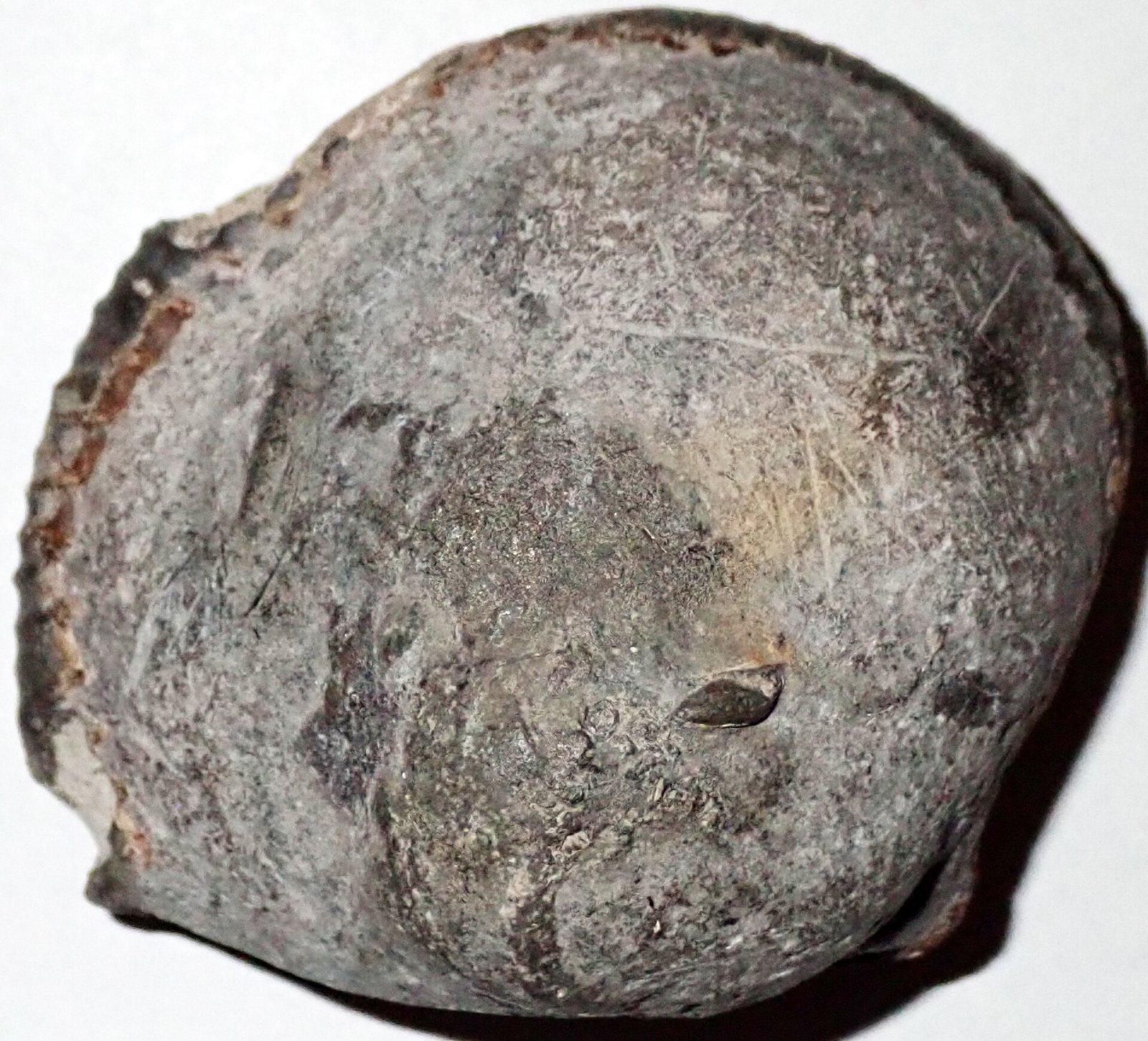
The rocks of the North Yorkshire coast were laid down 200 to 150 million years ago and the cliffs are constantly releasing ammonites, belemnites, bivalves and occasionally the bones and footprints of dinosaurs and marine reptiles. Whitby's town crest features three ammonites, and Whitby jet, the fossilised wood of a monkey-puzzle tree, has been carved here for 4,000 years.
- Robin Hood's Bay: the scars at low tide, especially towards Boggle Hole
- Port Mulgrave, south of Staithes: famous for ammonites in the shale, reached by a steep path
- Saltwick Bay, just south of Whitby
- Runswick Bay and Kettleness
Search the loose material on the foreshore, among the boulders and at the base of the cliffs. Fossils weather out naturally and turn up after storms and high tides. Do not hammer the cliffs: they are protected Sites of Special Scientific Interest, unstable and prone to falls. Keep away from the cliff base in wet weather.
The whole coast is cut off by the tide. Check tide tables, start on a falling tide and know your exit. Wear boots with grip and keep an eye on the sea.
Whitby Museum in Pannett Park has an outstanding fossil collection including a huge ichthyosaur. The Rotunda Museum in Scarborough is the original geological museum, built in 1829.
For a few weeks in August the largest expanse of heather moorland in England turns purple. Where and when to see it.
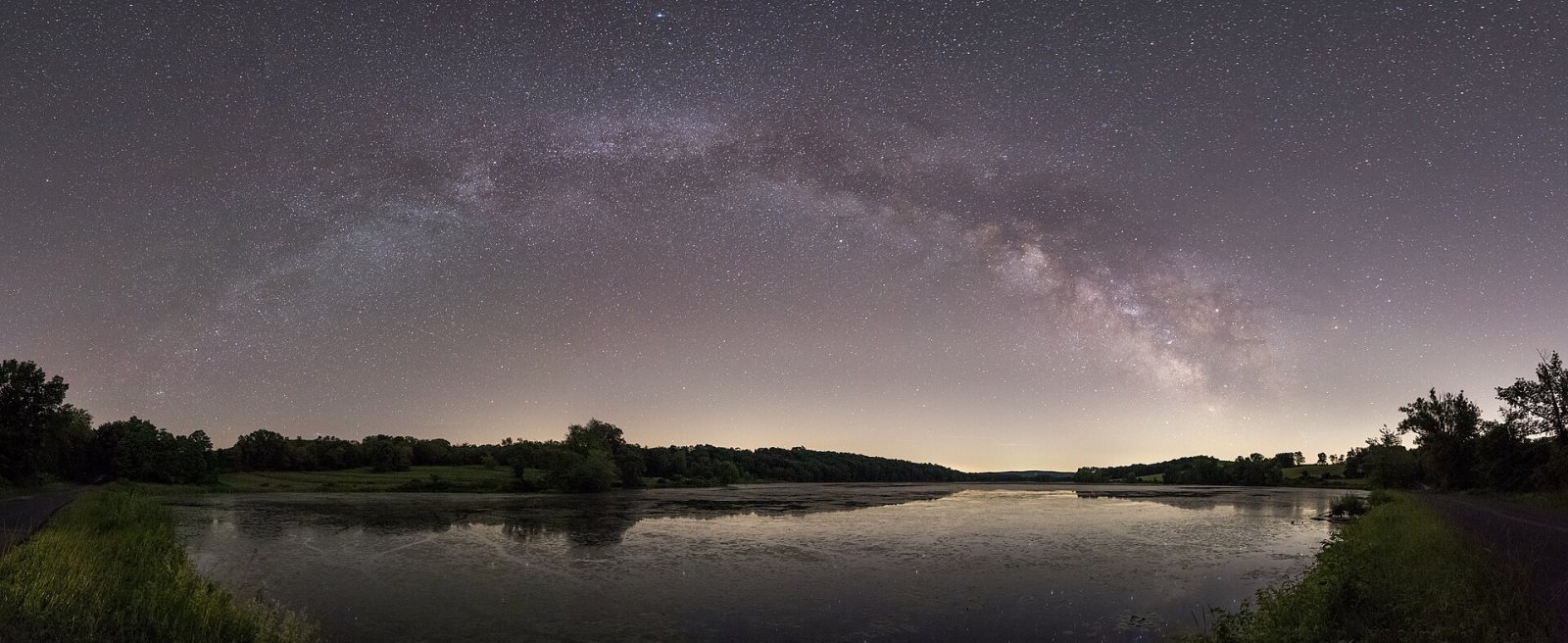
The North York Moors has some of the darkest skies in England. Where to go, when to go and what you will see.
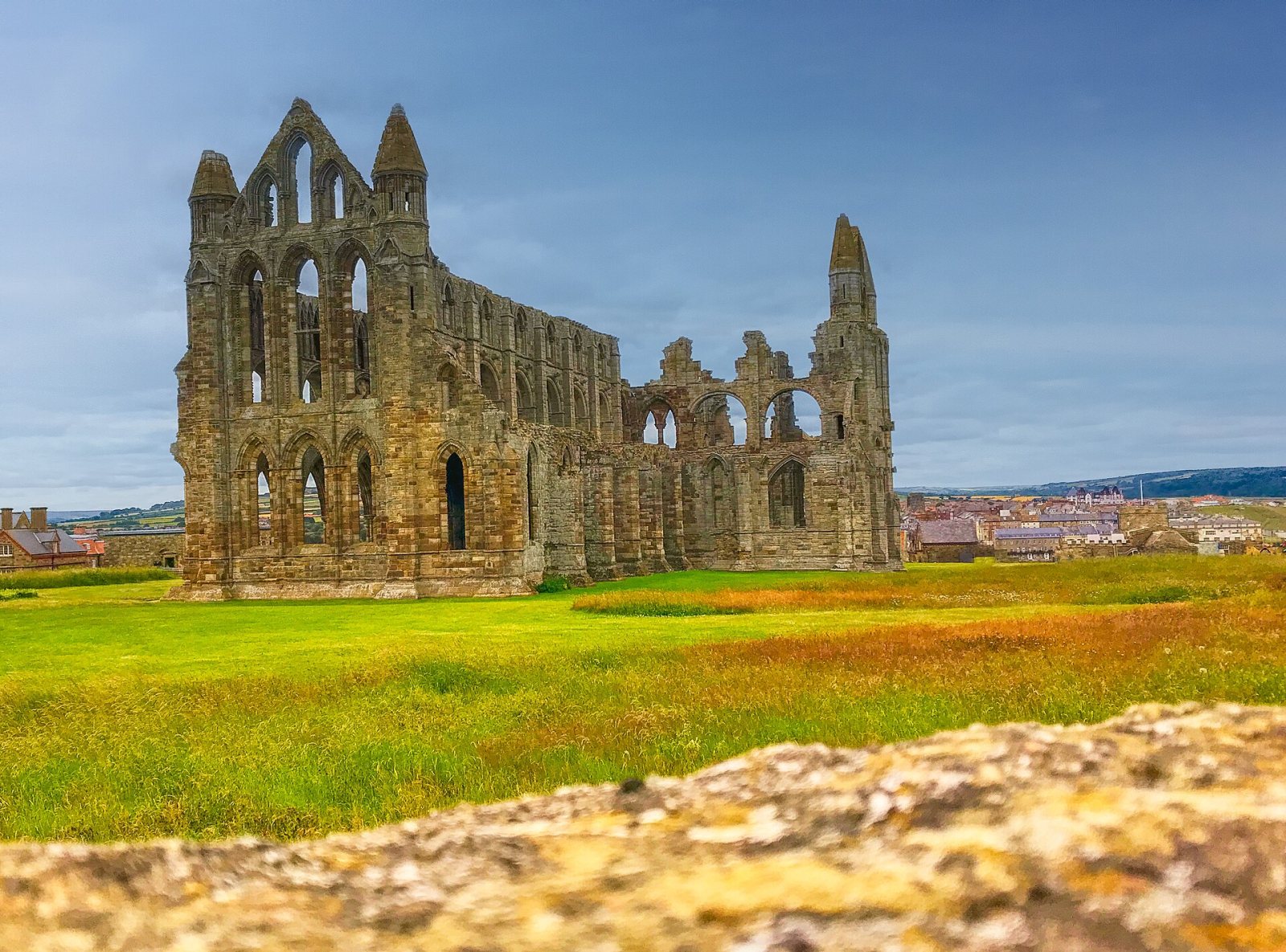
Bram Stoker stayed in Whitby in 1890 and put the town into the most famous vampire story ever written. Follow the trail.
Occasional emails on seasonal highlights, events and new walks. No spam, unsubscribe any time.