Guide
Heather season: the moors in purple
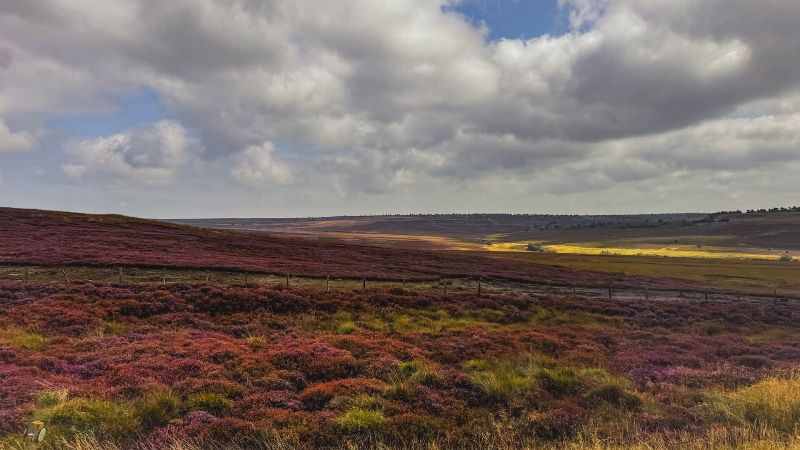
For a few weeks in August the largest expanse of heather moorland in England turns purple. Where and when to see it.
Bronze Age barrows, Saxon saints, Cistercian monks, ironstone and steam: how the landscape came to look this way.
The moors were wooded until Bronze Age farmers cleared them, and their burial mounds, the howes, still dot every ridge. The Bridestones and the standing stones at Blakey Topping are older still. The heather is not natural wilderness but the result of 4,000 years of grazing and burning.
Roman camps at Cawthorn, a road across Wheeldale Moor and a signal station at Huntcliff. Then the missionaries: Hild founded Whitby in 657 and the Synod of Whitby in 664 set the date of Easter for the English church; Cedd founded Lastingham; the Saxon sundial at Kirkdale records the years before the Norman conquest.
The Normans gave the empty valleys to the monks. Rievaulx (1132), Byland, Whitby and Rosedale were built with sheep money, and the stone crosses across the moor, Ralph, Fat Betty, Lilla, marked their tracks and boundaries. Henry VIII closed them all in the 1530s.
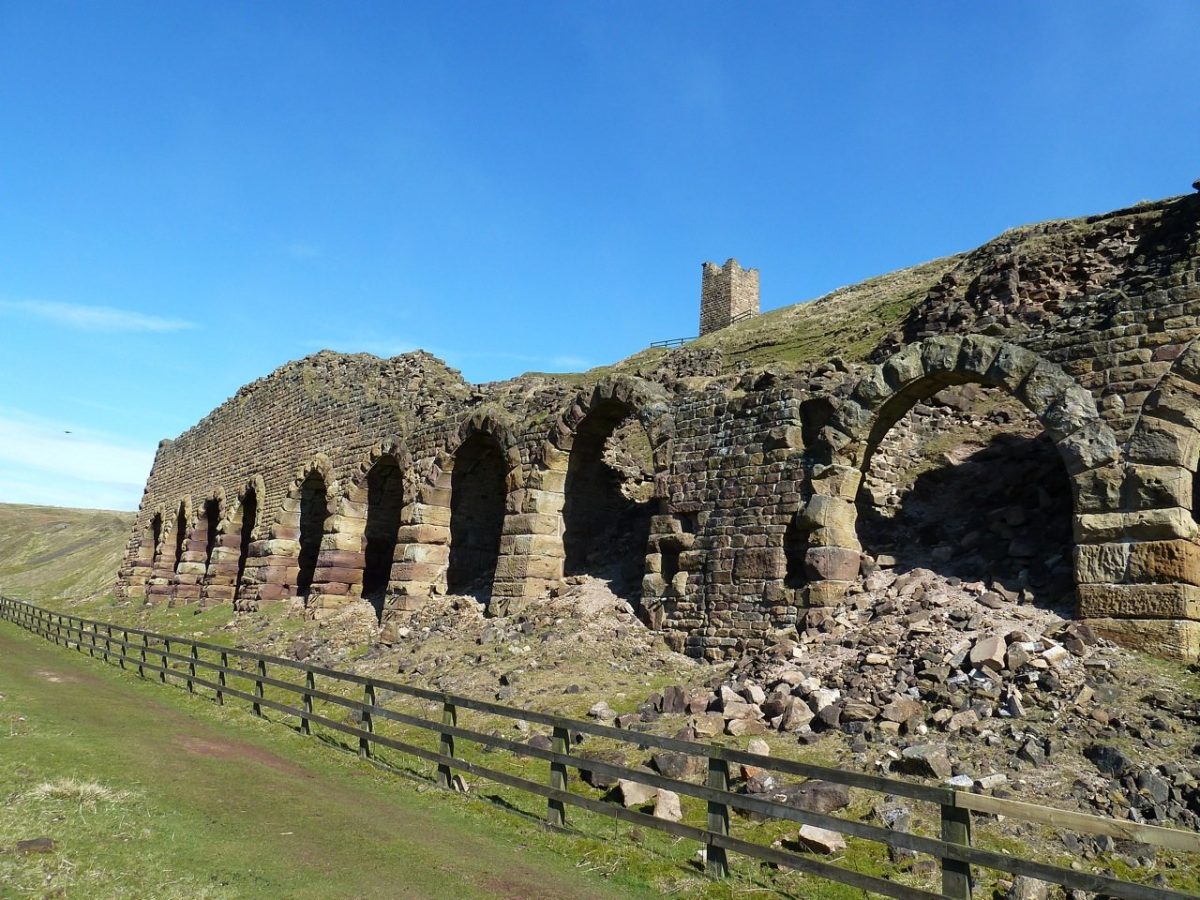
Alum was quarried on the coast from 1600, ironstone from the 1830s, and by 1860 Rosedale was an industrial valley with a railway around the dale head. The Whitby and Pickering Railway of 1836, engineered by George Stephenson, is now the North Yorkshire Moors Railway. The mines closed by 1930 and the moor took the workings back.
Designated in 1952, the North York Moors was the sixth National Park in England. It became an International Dark Sky Reserve in 2020.
For a few weeks in August the largest expanse of heather moorland in England turns purple. Where and when to see it.
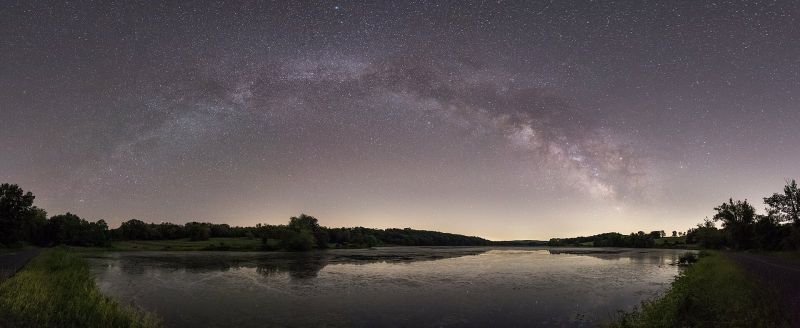
The North York Moors has some of the darkest skies in England. Where to go, when to go and what you will see.
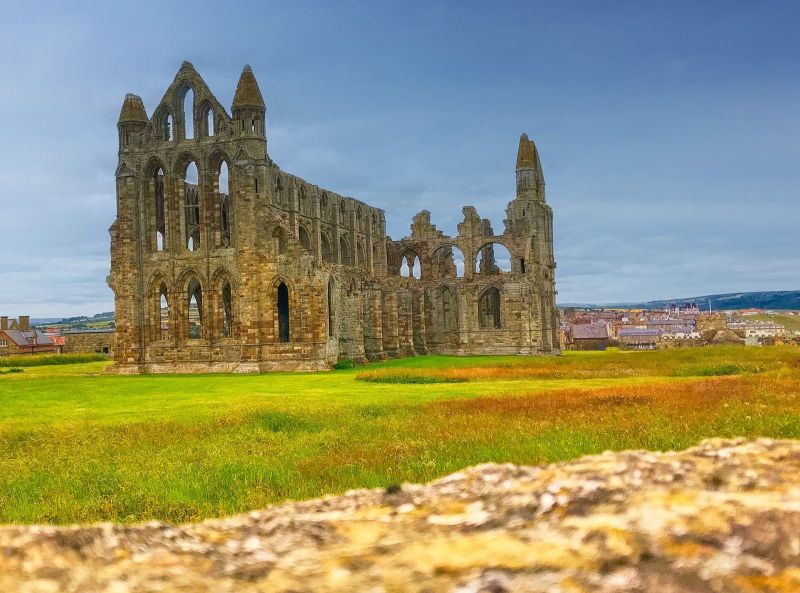
Bram Stoker stayed in Whitby in 1890 and put the town into the most famous vampire story ever written. Follow the trail.
Occasional emails on seasonal highlights, events and new walks. No spam, unsubscribe any time.