 🏰 History & heritage
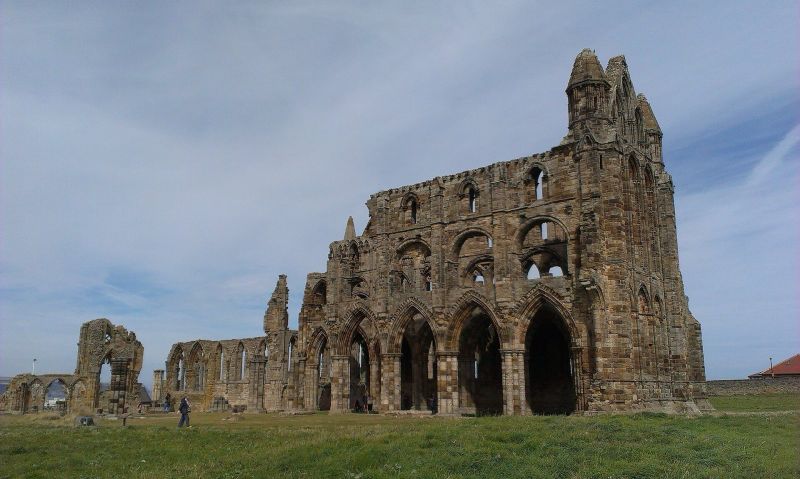
Whitby Abbey
Dramatic Gothic ruin on the East Cliff that inspired Bram Stoker's Dracula.
 🏰 History & heritage
Dramatic Gothic ruin on the East Cliff that inspired Bram Stoker's Dracula.
 🏰 History & heritage
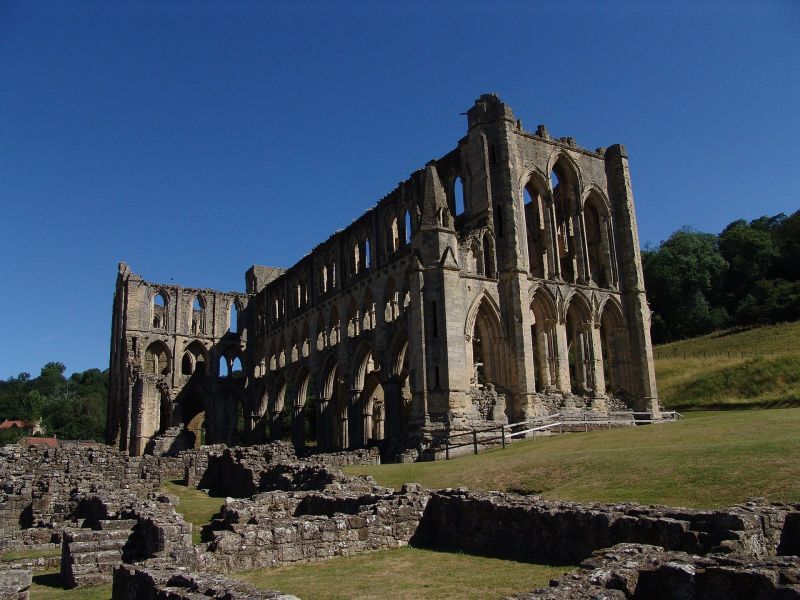
One of the most complete and beautiful Cistercian abbeys in England, in a wooded valley near Helmsley.
 🏰 History & heritage
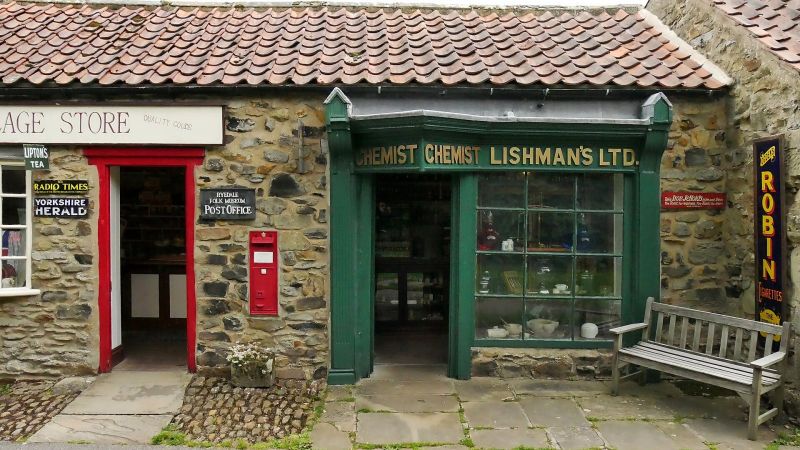
Open-air museum of rescued moorland buildings: cottages, workshops, a chapel and a Victorian shop.
 🏰 History & heritage
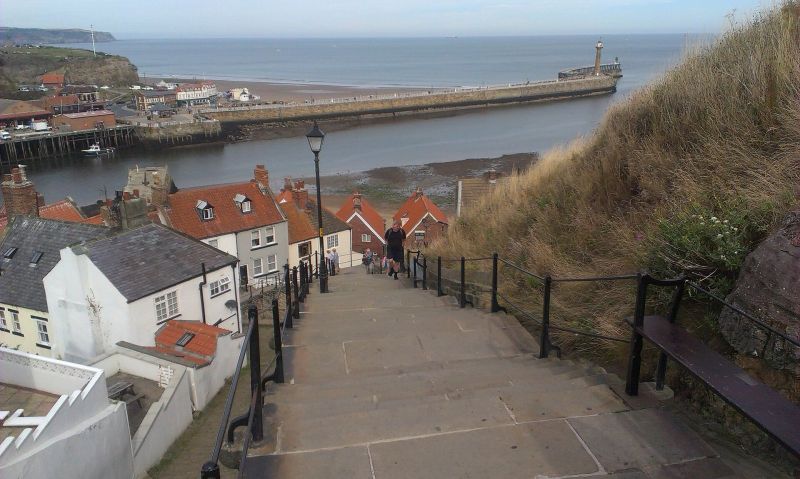
Whitby's famous stairway from the old town to the church and abbey on the East Cliff.
 🏰 History & heritage
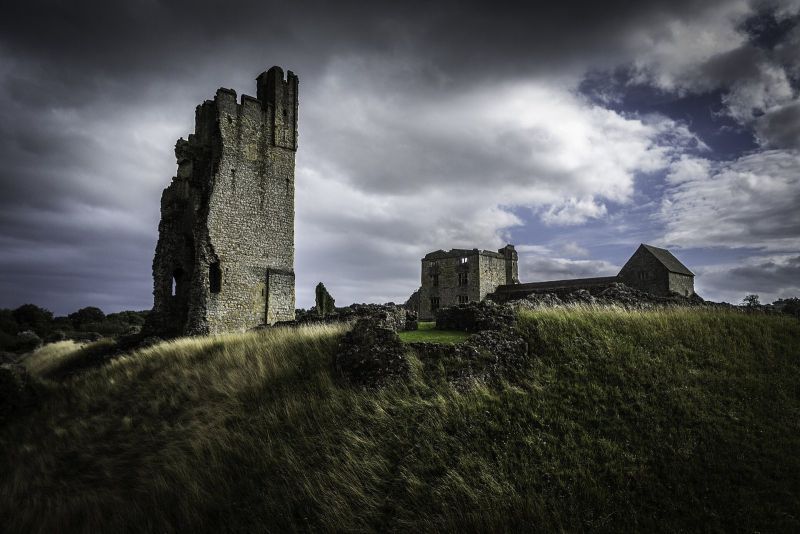
Medieval castle with a shattered keep, Tudor mansion and Civil War history in the middle of the town.
 🏰 History & heritage
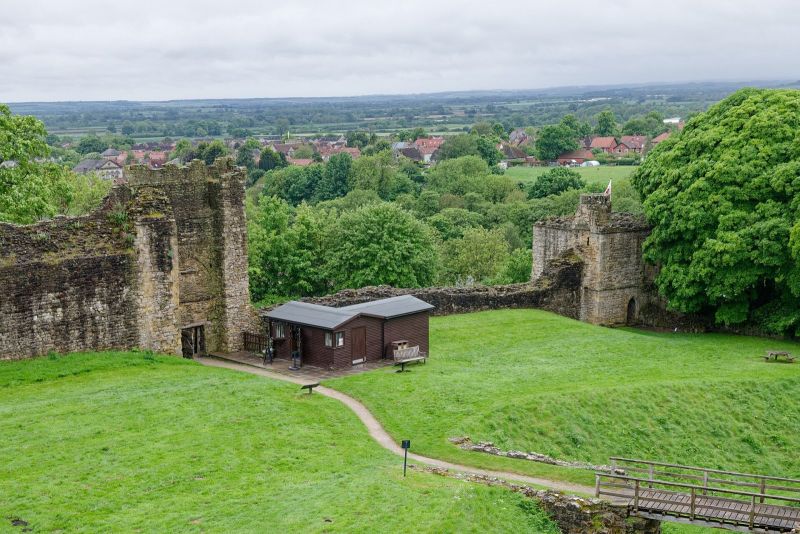
Well-preserved motte-and-bailey castle used by medieval kings as a hunting lodge.
 🏰 History & heritage
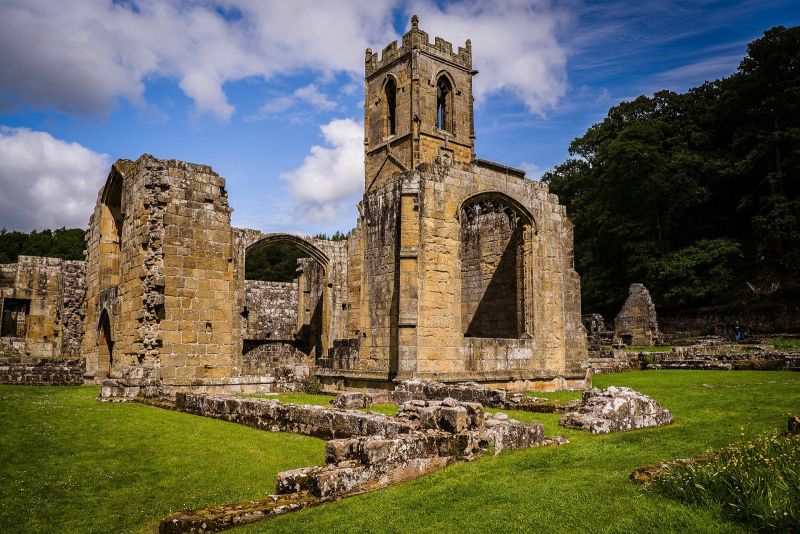
The best-preserved Carthusian monastery in England, with a reconstructed monk's cell and Arts and Crafts gardens.
 🏰 History & heritage
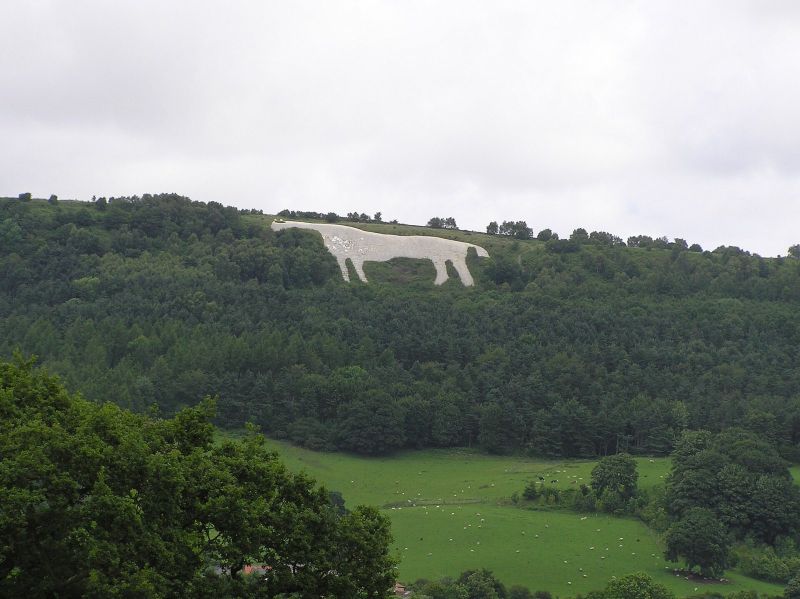
Yorkshire's hill figure, cut in 1857 and visible from the A1 on a clear day.
 🏰 History & heritage
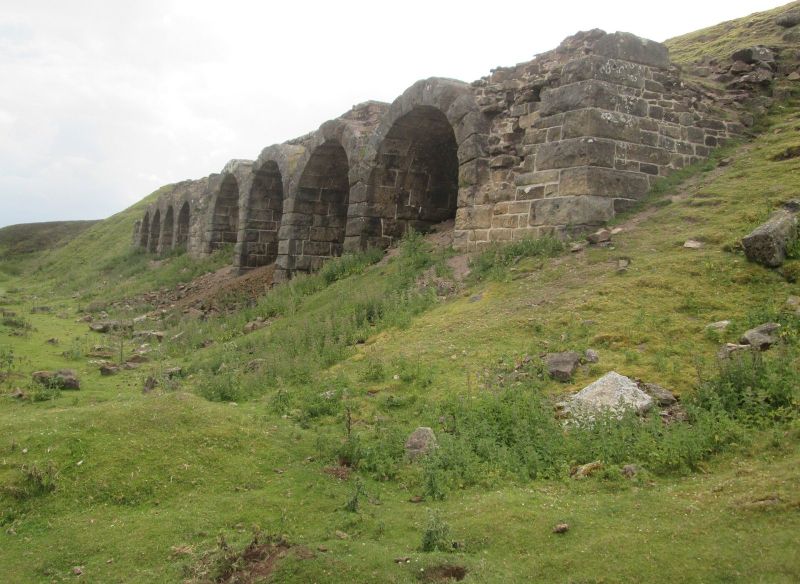
Industrial ruins along a level railway trackbed high above Rosedale, now one of the finest walks on the moors.
 🏰 History & heritage
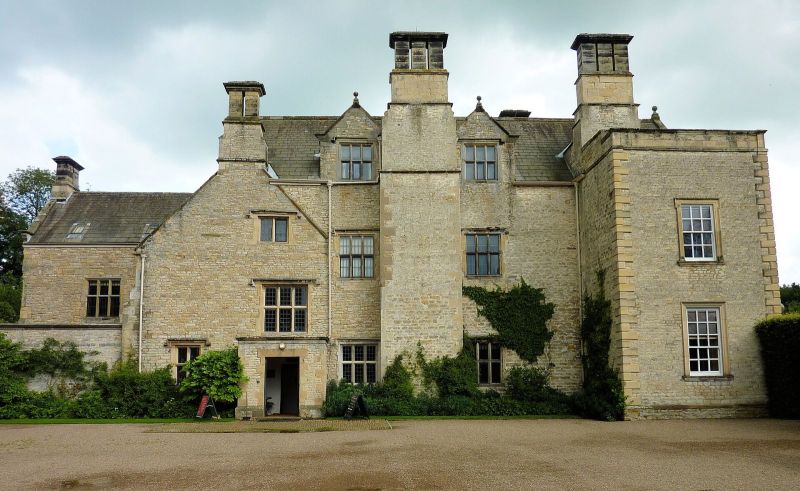
Sheltered manor house on the River Rye with walled gardens, peacocks and the Carlisle collection of miniature rooms.
 🏰 History & heritage
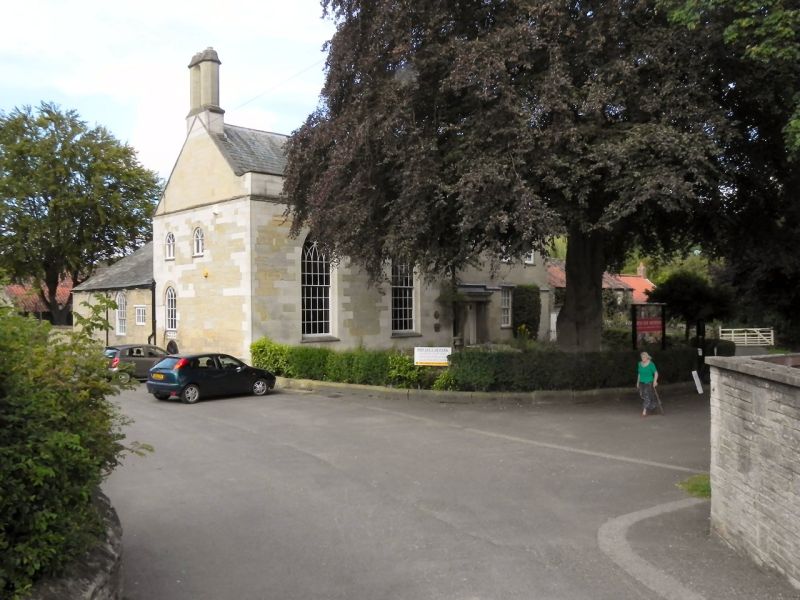
Museum of rural life in a Regency house beside Pickering Beck, with a reconstructed street of shops.
 🏰 History & heritage
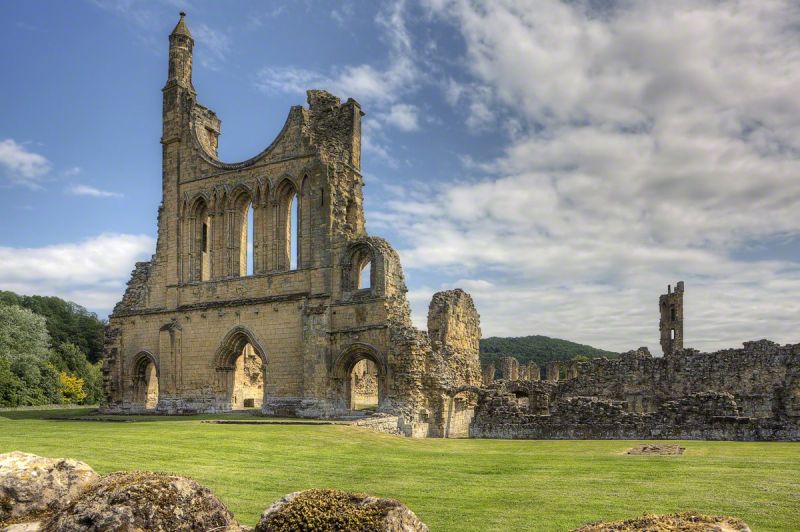
Vast Cistercian ruin with a great rose window, once one of the largest churches in Europe.
 🏰 History & heritage
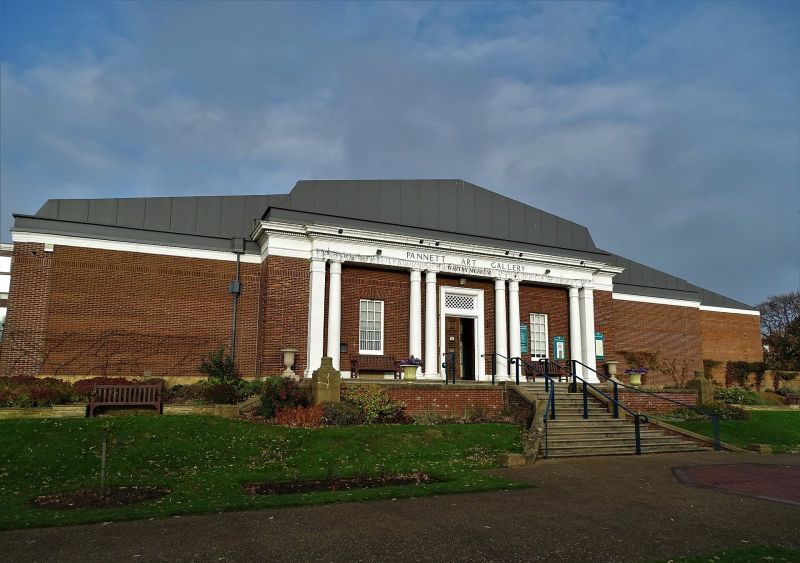
Wonderfully old-fashioned museum of fossils, ships, whaling and the Hand of Glory, in a park above the town.
 🏰 History & heritage
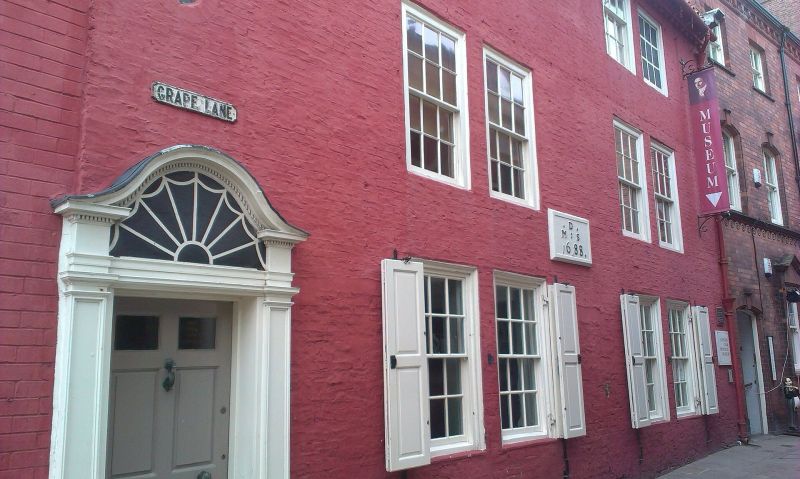
The house on Grape Lane where the young James Cook lodged as an apprentice, now a museum of his voyages.
 🏰 History & heritage
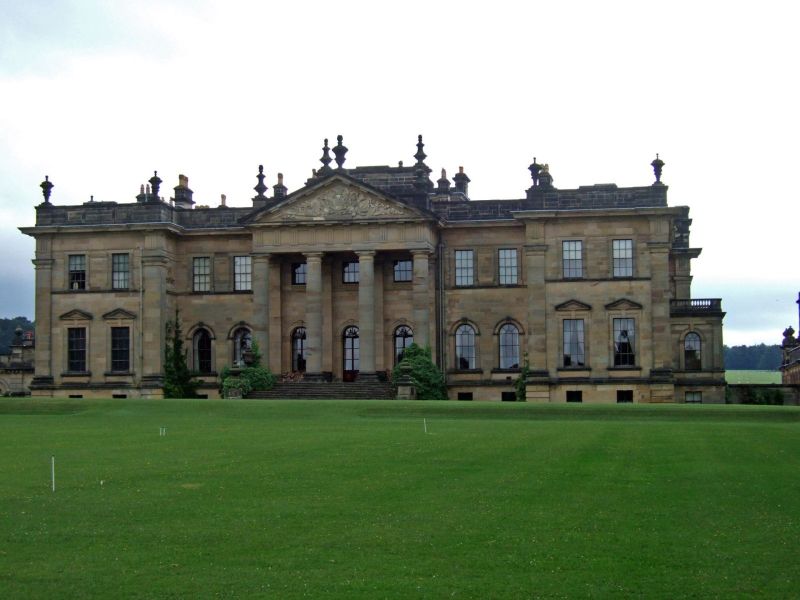
Baroque country house and parkland on the edge of Helmsley, with a National Nature Reserve of ancient trees.
 🏰 History & heritage
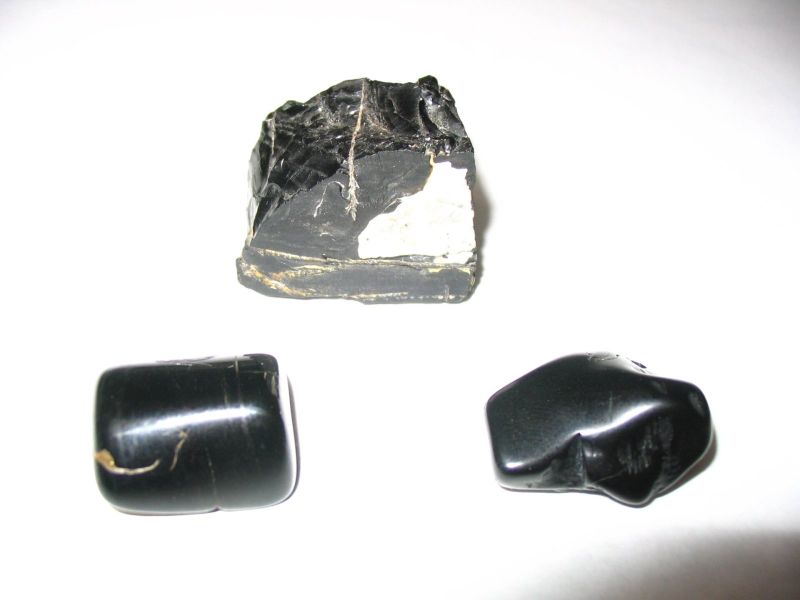
The black gemstone of Whitby, carved here since the Bronze Age and made famous by Queen Victoria.
 🏰 History & heritage
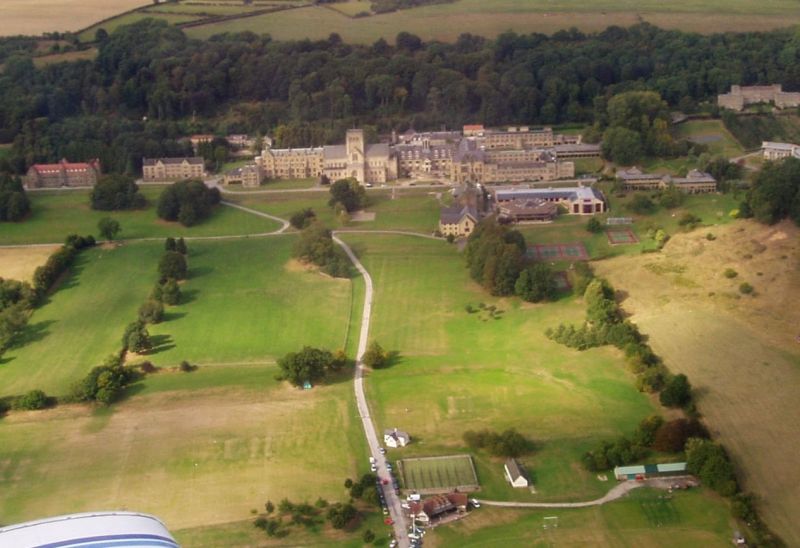
Working Benedictine monastery with a visitor centre, tea room, orchard and cider made by the monks.
 🏰 History & heritage
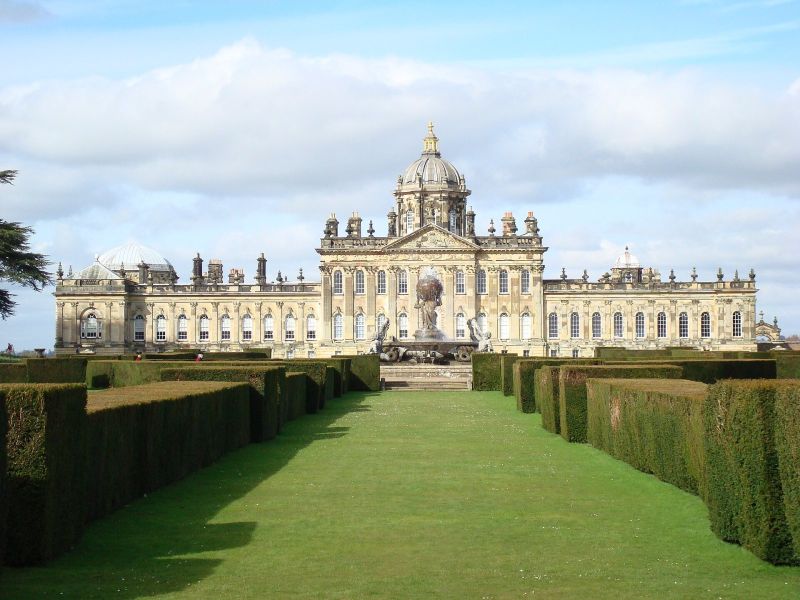
One of the grandest houses in England, in 1,000 acres of parkland fifteen minutes from the moors.
 🏰 History & heritage
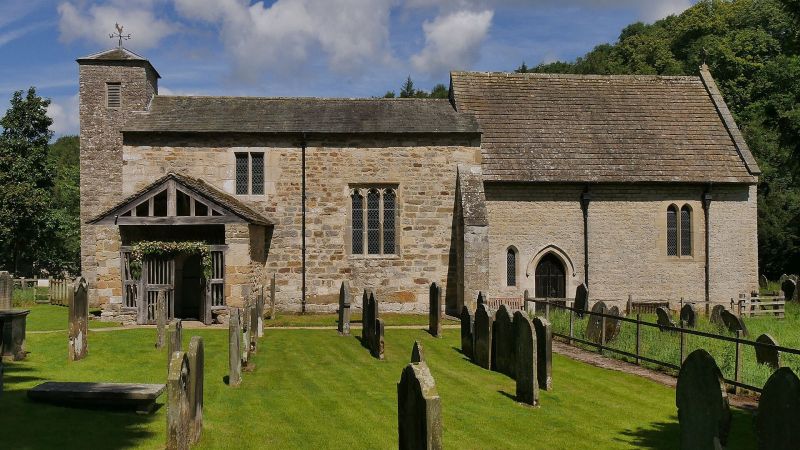
A Saxon church with the finest pre-Conquest sundial in England, beside a cave full of Ice Age hyenas.
 🏰 History & heritage
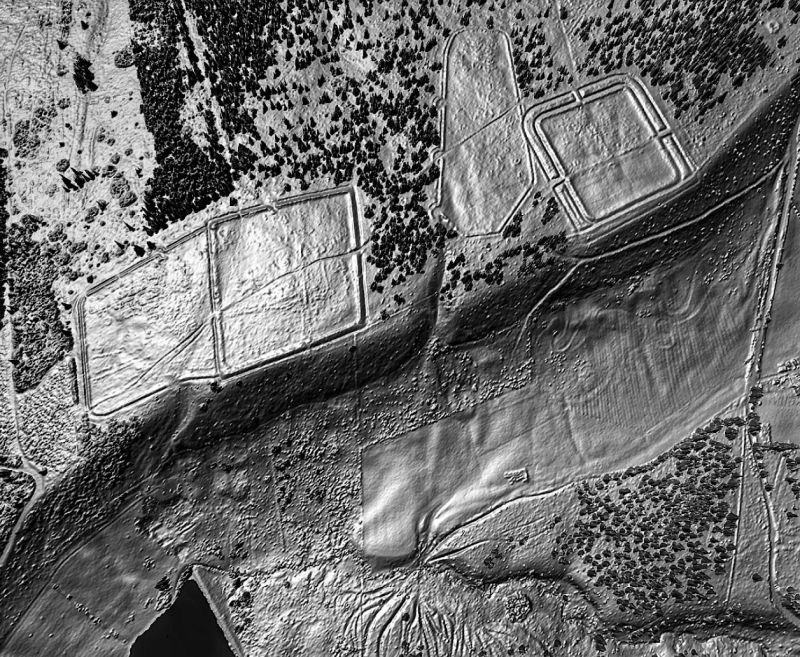
Four Roman military earthworks on the moor edge north of Pickering, with a waymarked trail.
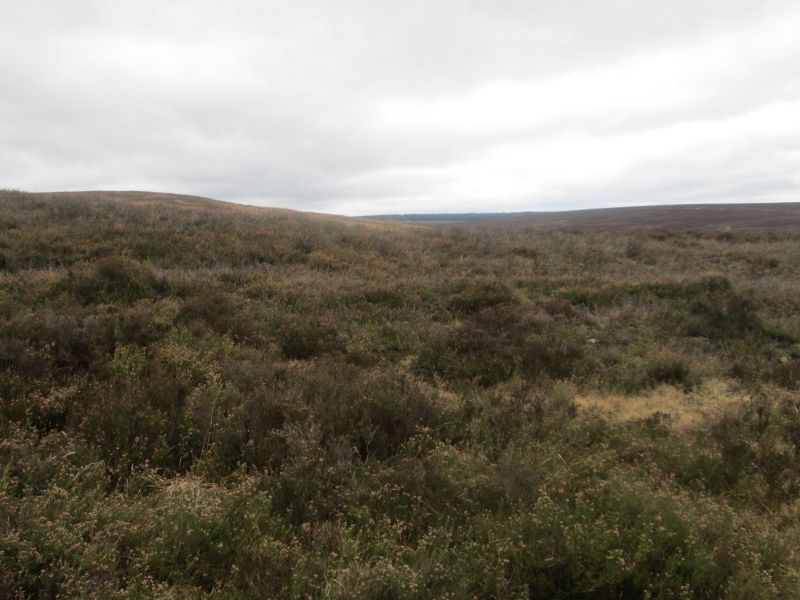 🏰 History & heritage
A mile of ancient paved trackway across the moor, long thought Roman, now a pleasing mystery.
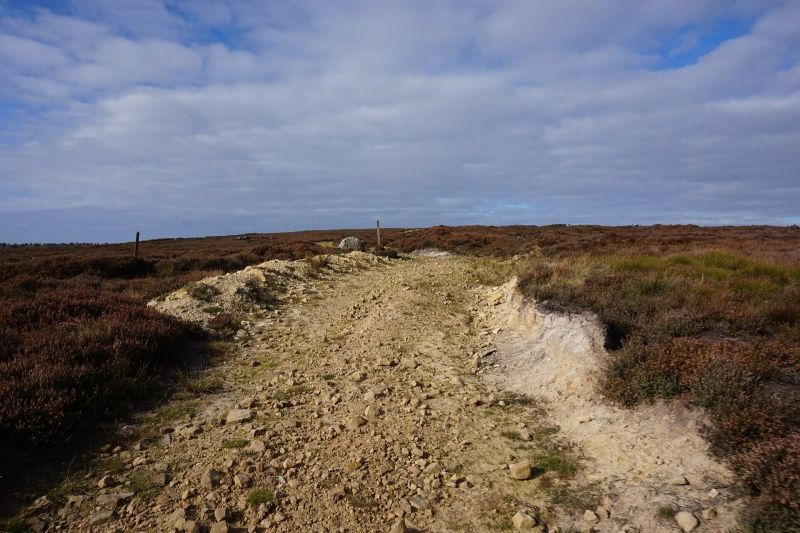 🏰 History & heritage
The oldest Christian monument on the moors, marking where a thane died saving King Edwin in 626.
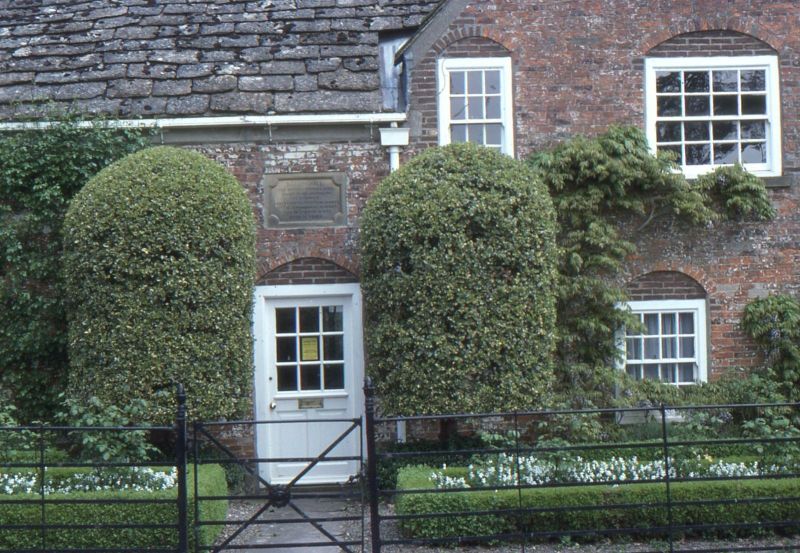 🏰 History & heritage
The house where Laurence Sterne wrote Tristram Shandy, now a museum and garden.
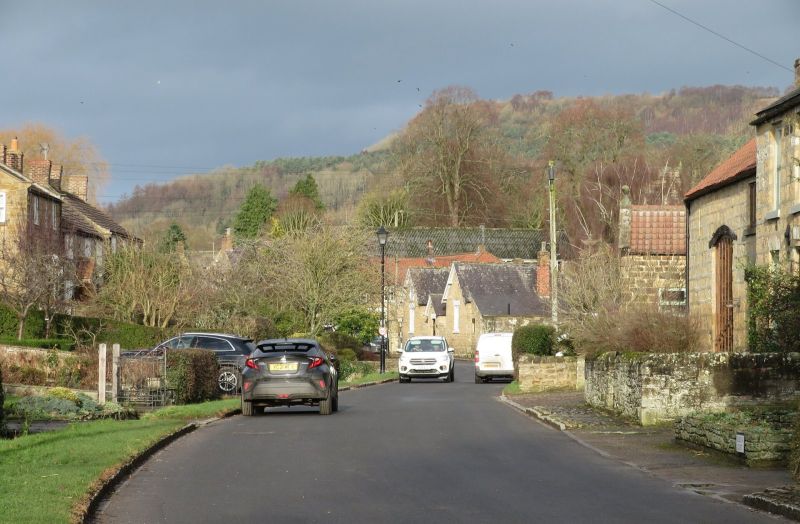 🏰 History & heritage
The workshop of Robert Thompson, whose oak furniture carries a carved mouse, still made in the village.
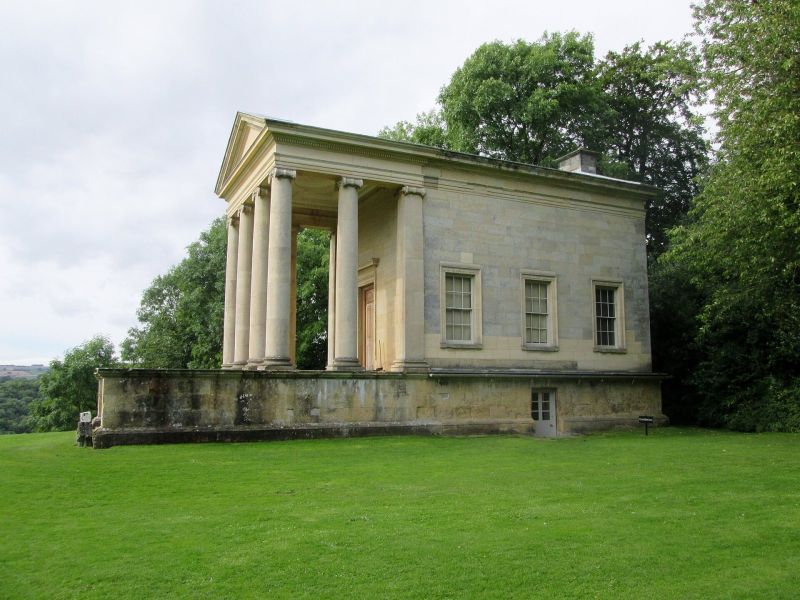 🏰 History & heritage
A curving grass terrace with two Georgian temples and framed views down onto Rievaulx Abbey.
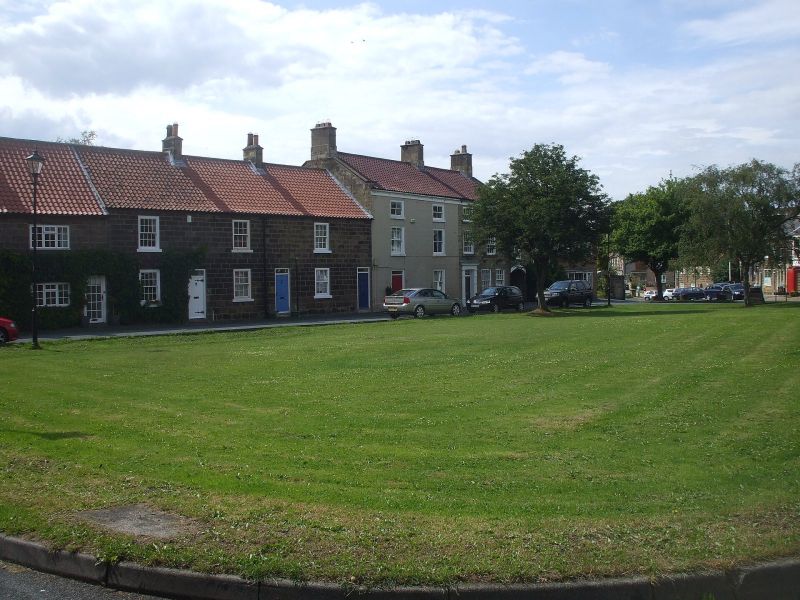 🏰 History & heritage
The village schoolroom where James Cook learned to read and reckon, now a small museum.
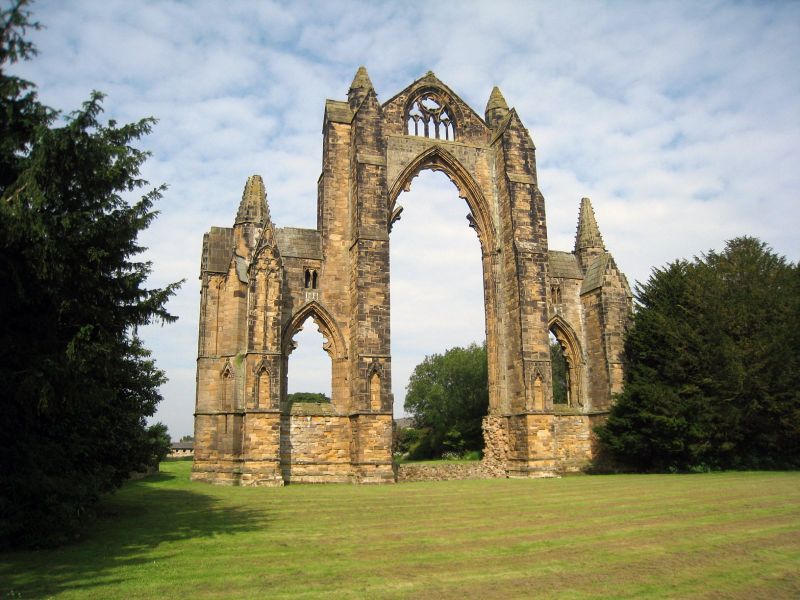 🏰 History & heritage
The soaring east end of an Augustinian priory church rising above the market town of Guisborough.
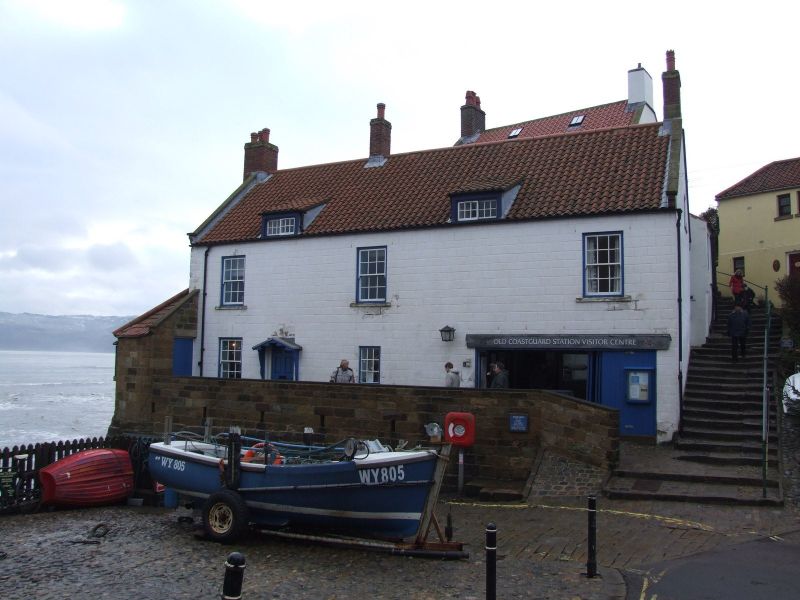 🏰 History & heritage
National Trust visitor centre on the slipway with exhibits on the bay's geology, wildlife and smugglers.
 🏰 History & heritage
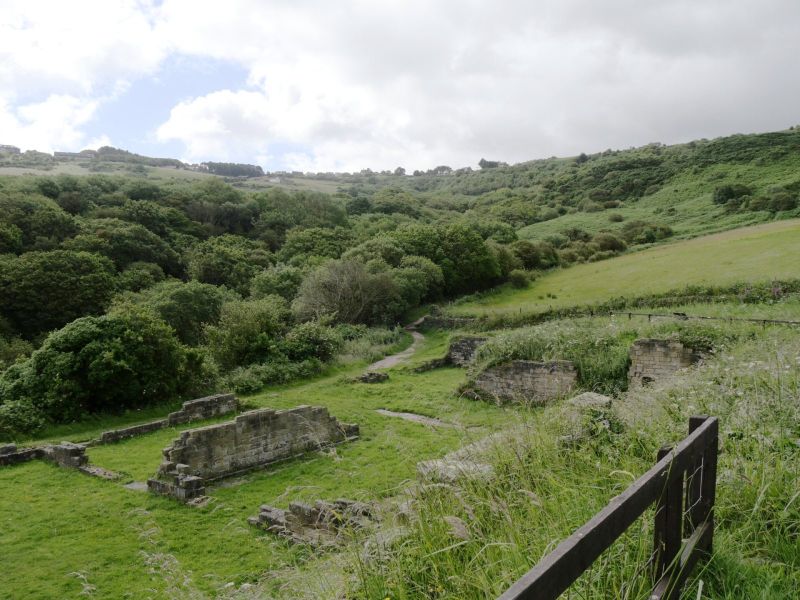
The remains of a 17th-century chemical industry on the cliffs, and the story of the resort that never was.
 🏰 History & heritage
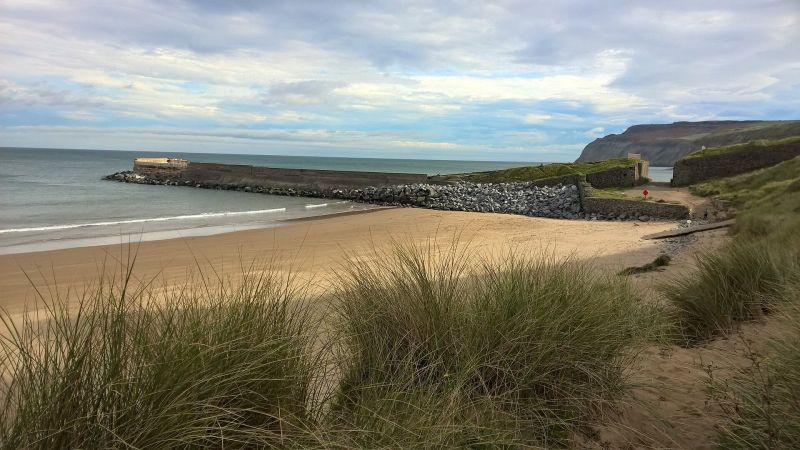
Underground tours of a real ironstone mine in the village of Skinningrove on the coast north of Staithes.
 🏰 History & heritage
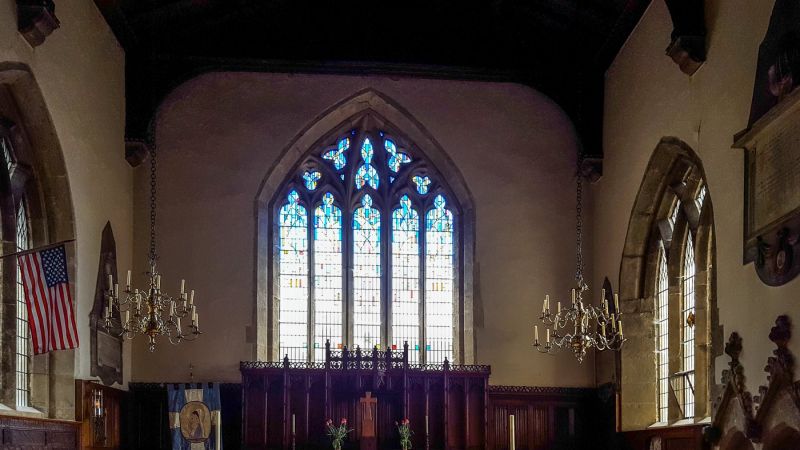
Parish church with a complete cycle of 15th-century wall paintings, whitewashed over and rediscovered in 1852.
 🏰 History & heritage
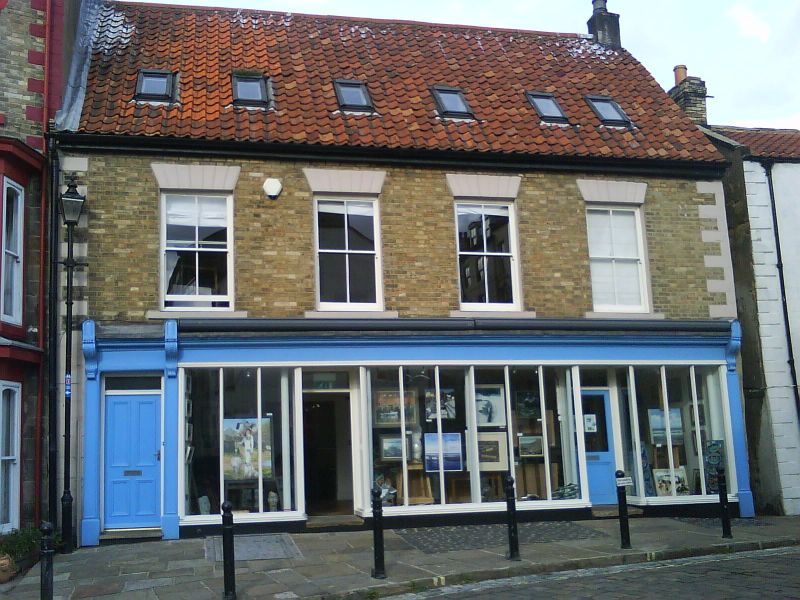
A reconstructed Staithes street of 1745 and the story of the young James Cook and the Staithes painters.
Occasional emails on seasonal highlights, events and new walks. No spam, unsubscribe any time.